Shipping Paused Until 9/20/25 during move to new warehouse (will ship sooner if possible).
Key Takeaways:
- A tactical knife shouldn’t be too big, as it will weigh you down with no added benefits; no longer than 9 inches (including the blade and handle).
- Always opt for high-quality stainless steel or high-carbon steel; your knife will last longer.
- A fixed blade is overall a better option than a foldable blade because there are fewer moving parts.
- Don’t go for fancy blade designs; choose a simple, symmetrical design, and make sure to keep your knife sharp.
The word “tactical” has been thrown around the internet for the past few years in regard to anything even remotely related to the military or combat, and of course, you’re going to find hundreds of allegedly “tactical” knives online. But what really makes a good tactical knife, and what are some general tactical knife features you should look for?
A Tactical Knife Is a Purpose-Driven Knife
Tactical, in essence, means purpose-driven – it means that you’re doing something you planned ahead with a specific purpose. In terms of choosing a knife, a tactical knife for a US Navy sailor will differ from that of a Marine Corps member by its purpose, and neither will be the same as the knife of an officer of the law.
So, before you even take a look at a selection of knives, ask yourself what the primary purpose of this knife is.
Tactical Knife Size
When we say tactical knife, we mostly think of duty knives that may be used by law enforcement or military personnel.
Know in advance that both the police and military personnel rarely actually use their knives as a weapon in combat. They’re most often used as a tool in the field, but their primary purpose is to be used as a weapon.
In this regard, the first thing we’re going to look at is size, as it’s one of the most important tactical knife features. A tactical duty knife shouldn’t exceed 9 inches (including both the blade and the handle) as it will just become a bother to carry.
Large knives are usually more useful outdoors. This makes them much better suited for bushcraft, camping, and hiking. It’s unlikely that a police officer will have to cut off a tree branch or do anything else that requires a long, strong blade. A shorter, more compact blade that’s easier to manage is a much better option in this regard.
Fixed vs Folded
Another question of contention relates to the endless fixed vs folding knife debate.
Another very important tactical knife feature is the speed at which the user can pull it out. With this in mind, a fixed knife is an infinitely better option than a folding knife. You can pull it out quickly, and there are fewer moving parts for you to work with.
Fixed blades, of course, do come with a disadvantage because they can’t be concealed as easily as foldable knives. However, the reliability of fixed blades still outweighs foldable blades.
Another pro of using fixed blades is that, unlike with folding blades, there’s no folding mechanism, which means they require less maintenance, which leads us to our next point.
Quality Materials
You know what else makes a good tactical knife for military and law enforcement? Stainless steel! You want a material that’s corrosion-resistant because this knife will be with you every day, and you can bet that it will get wet in the field. This is especially important for active military personnel who spend a lot of time on exercises.
You do not want to buy a knife that will start to rust and ultimately lead to you having to spend more money on a new one.
The top options of steel are 1095 Carbon, CPM 3V, CPM S35VN, and CPM MagnaCut – but in a broader sense, just look for blades that are made with high-carbon steel or stainless steel. They come with a combination of rigidness and durability that’s difficult to match with lower-quality materials.
The same thing can be said for the handle – you want a long-lasting, durable handle that’s easy to clean; not a cheap piece of plastic that you’ll need to swap out after just a few months of use!
Carry Options
Carrying is another thing to have in mind because you want your knife to be available only to you, and impossible for anyone else to get their hands on.
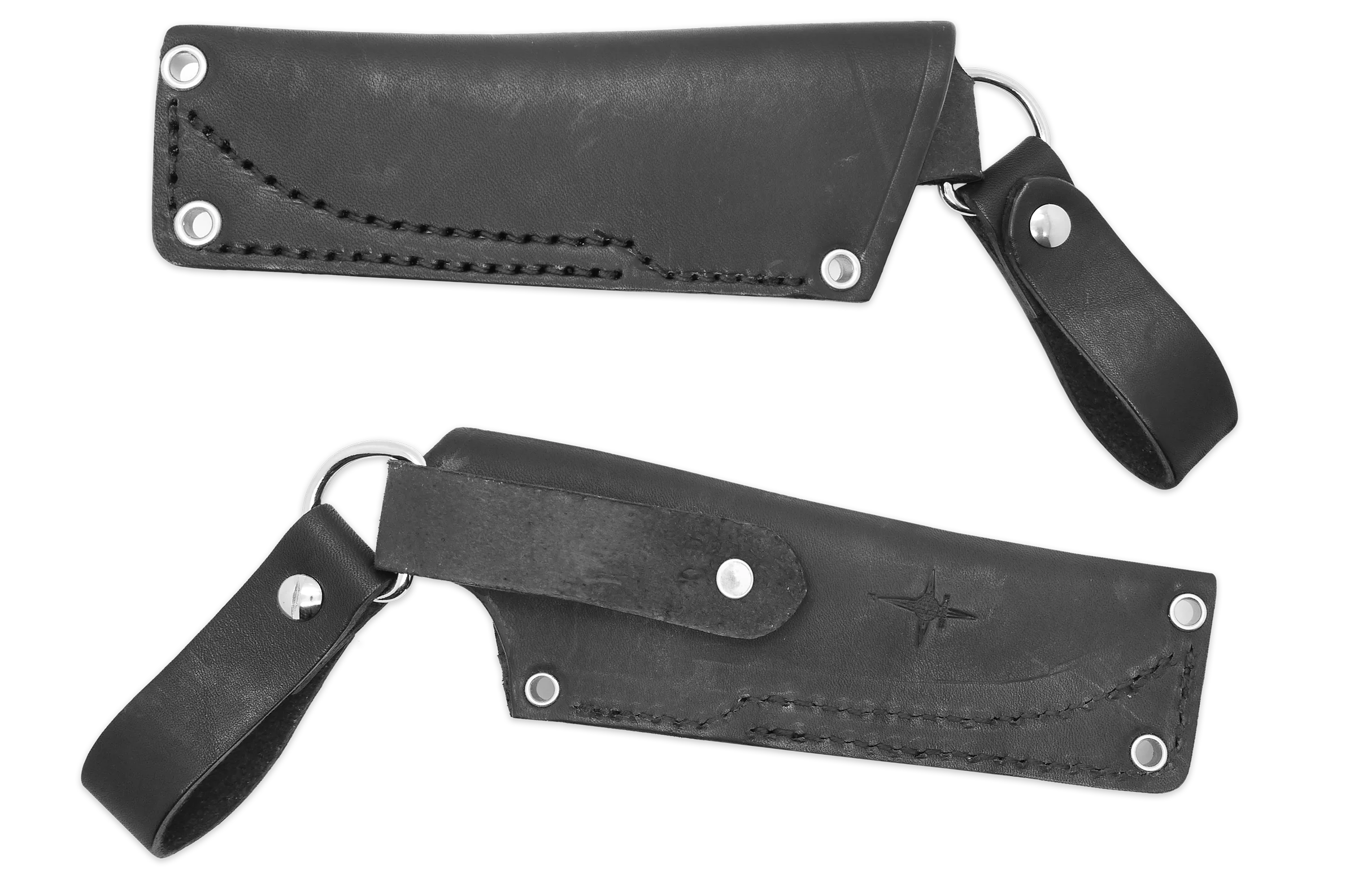
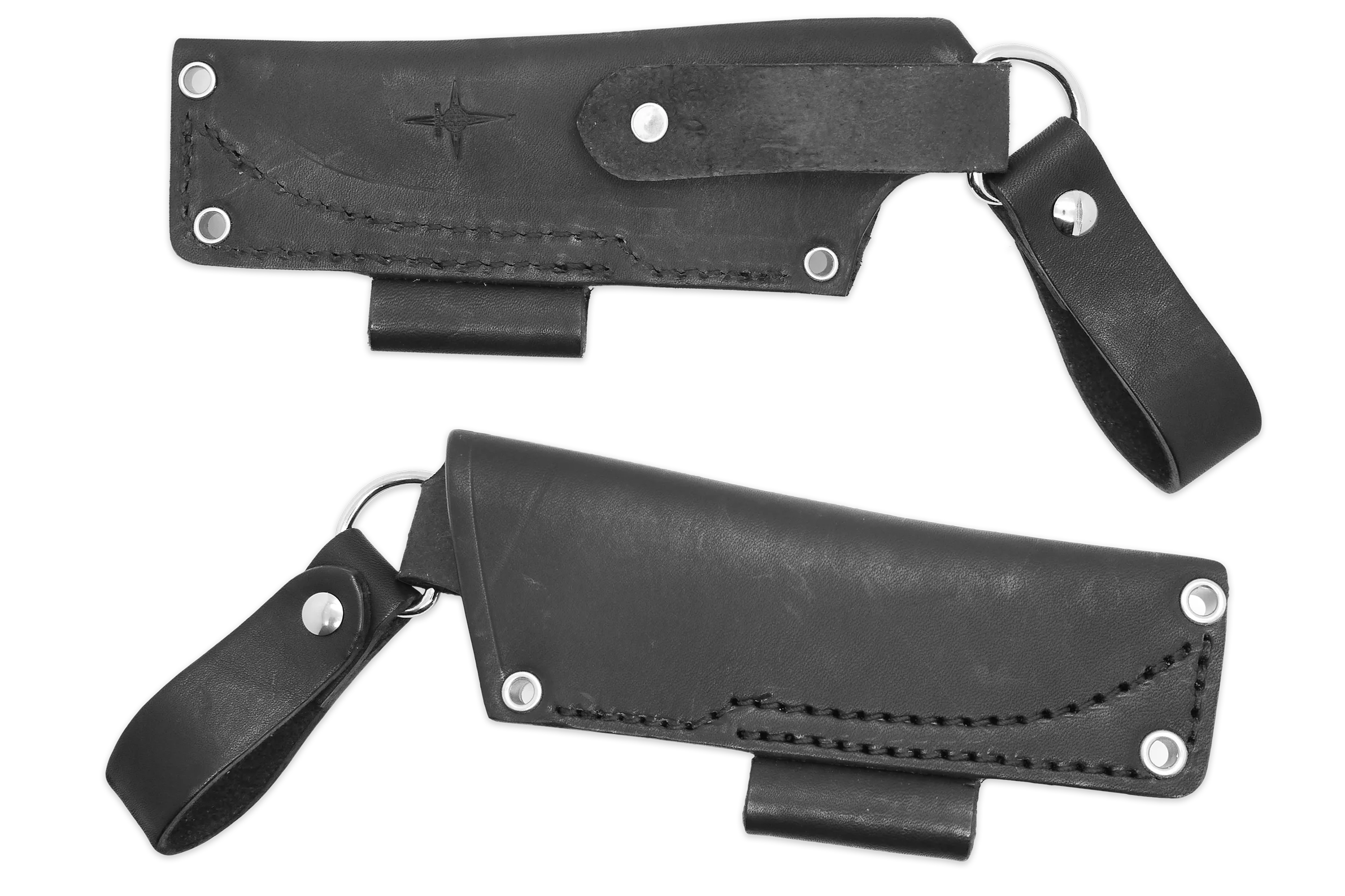
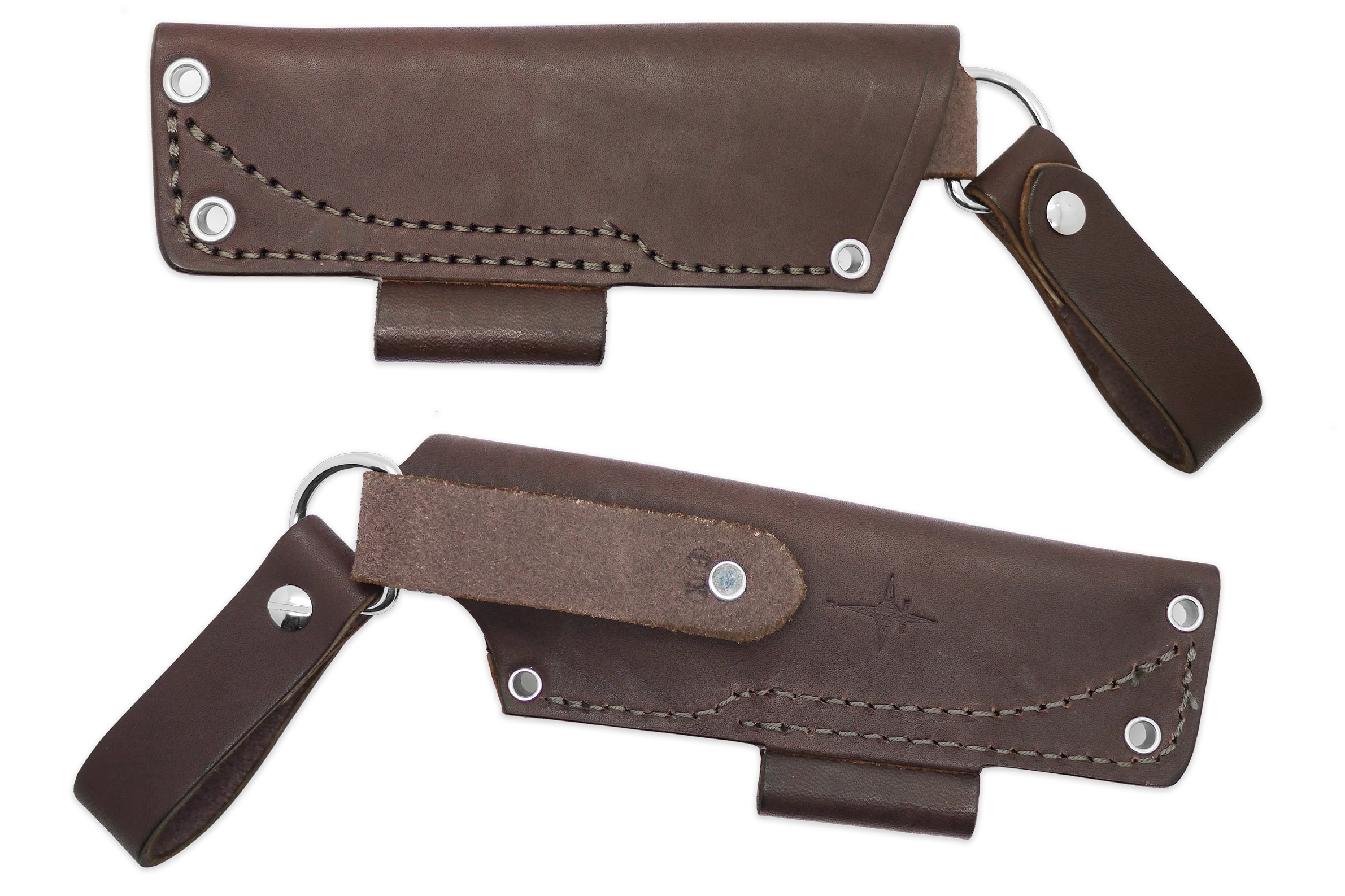
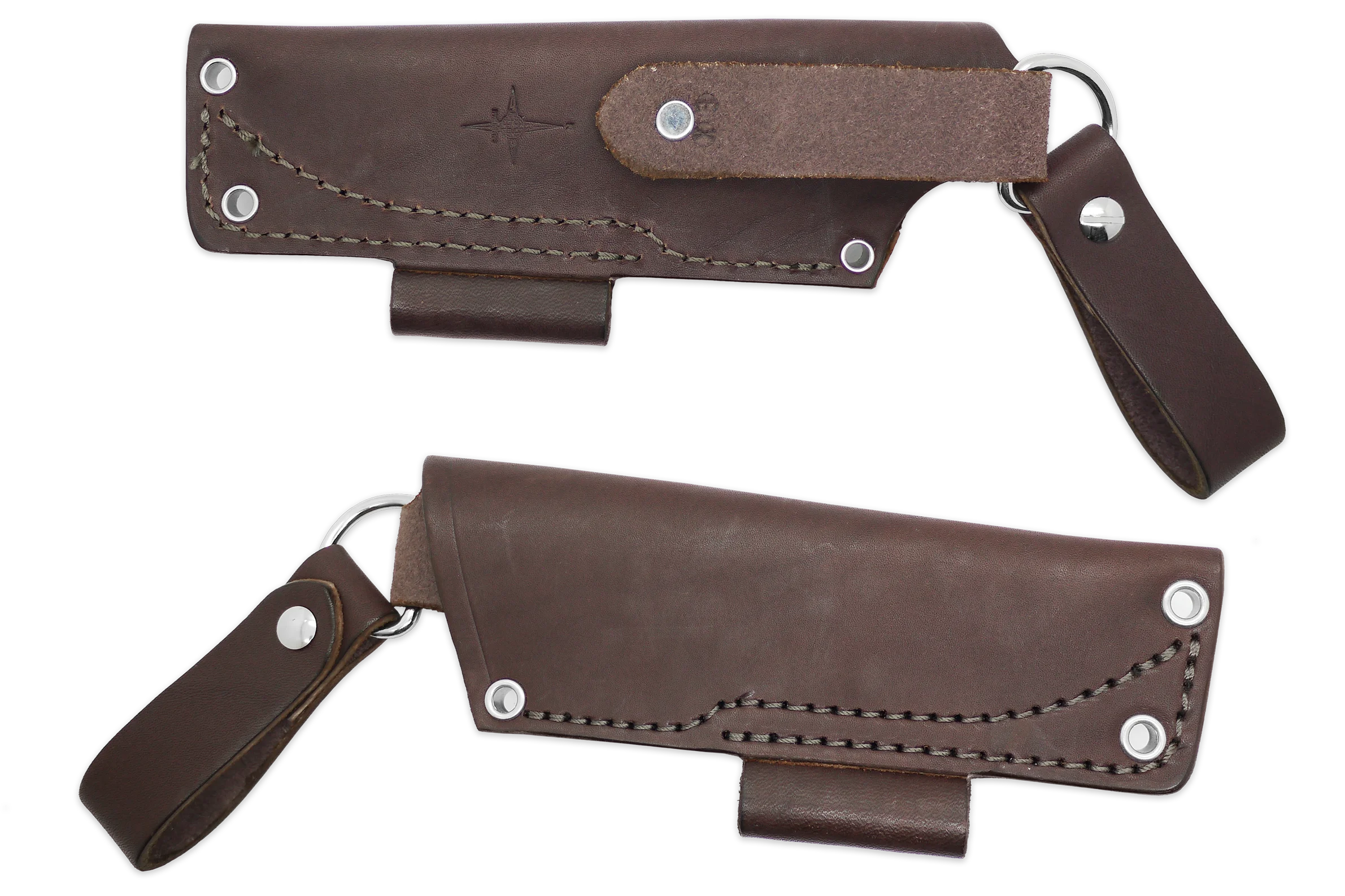
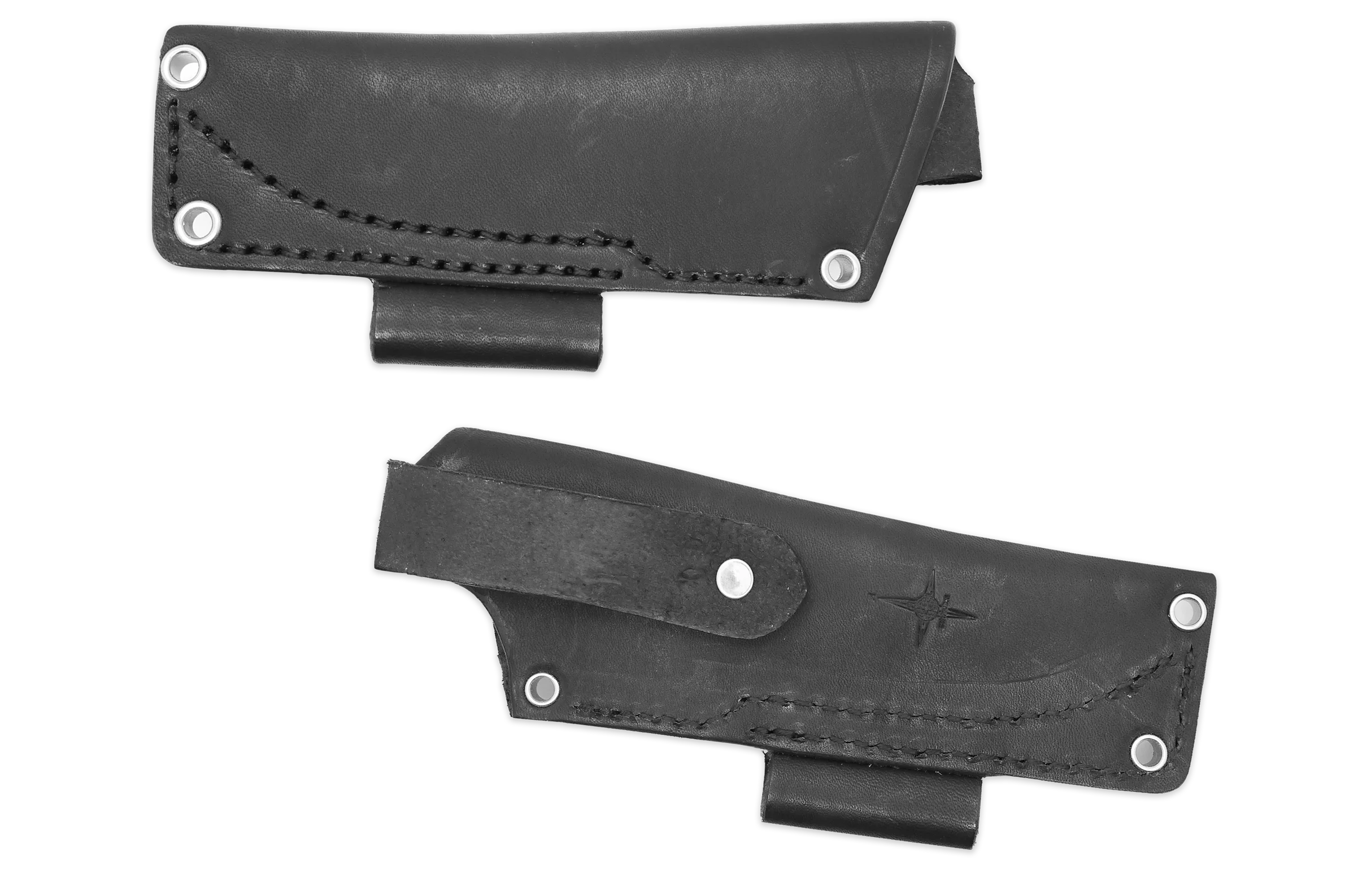
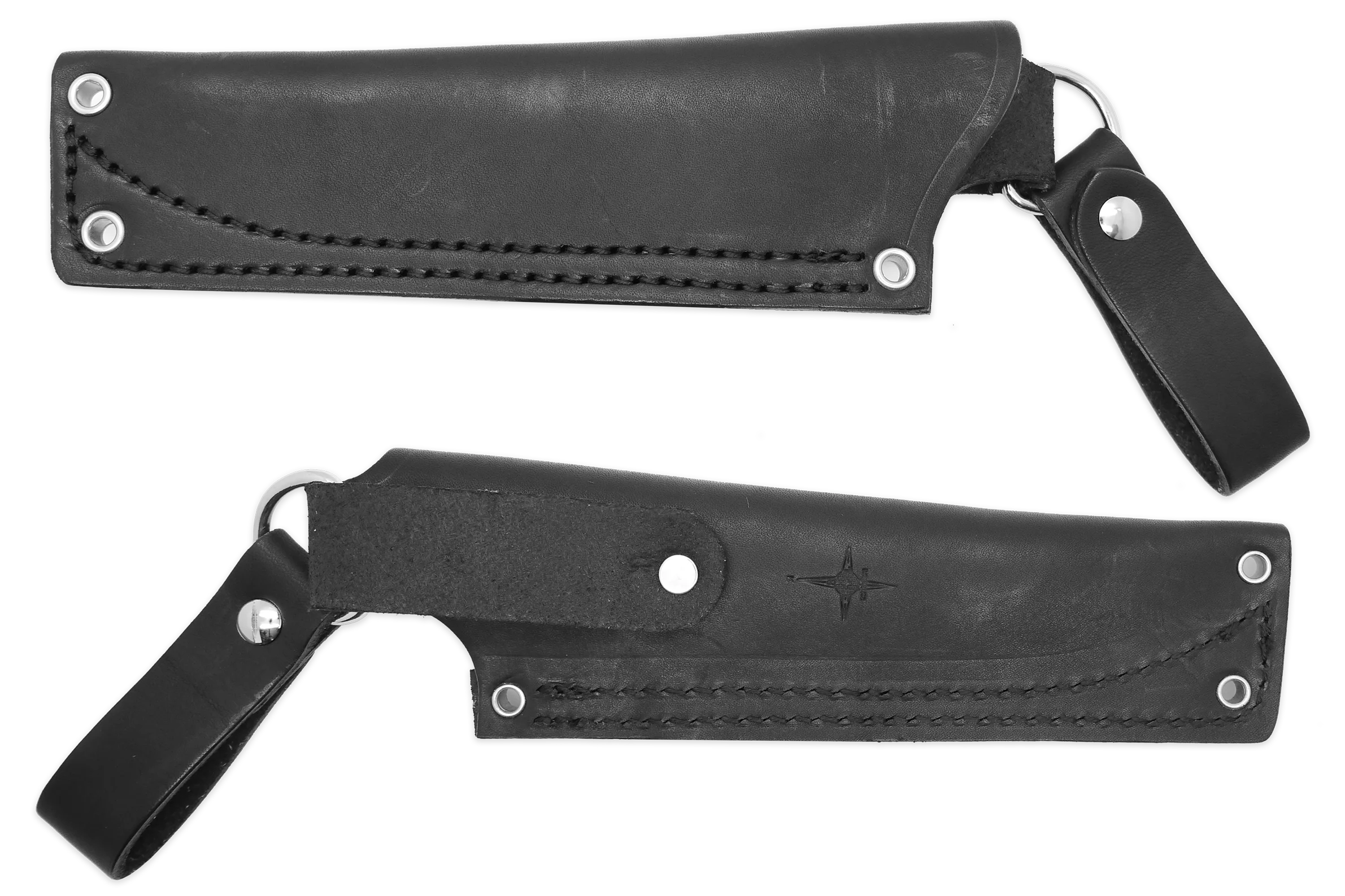
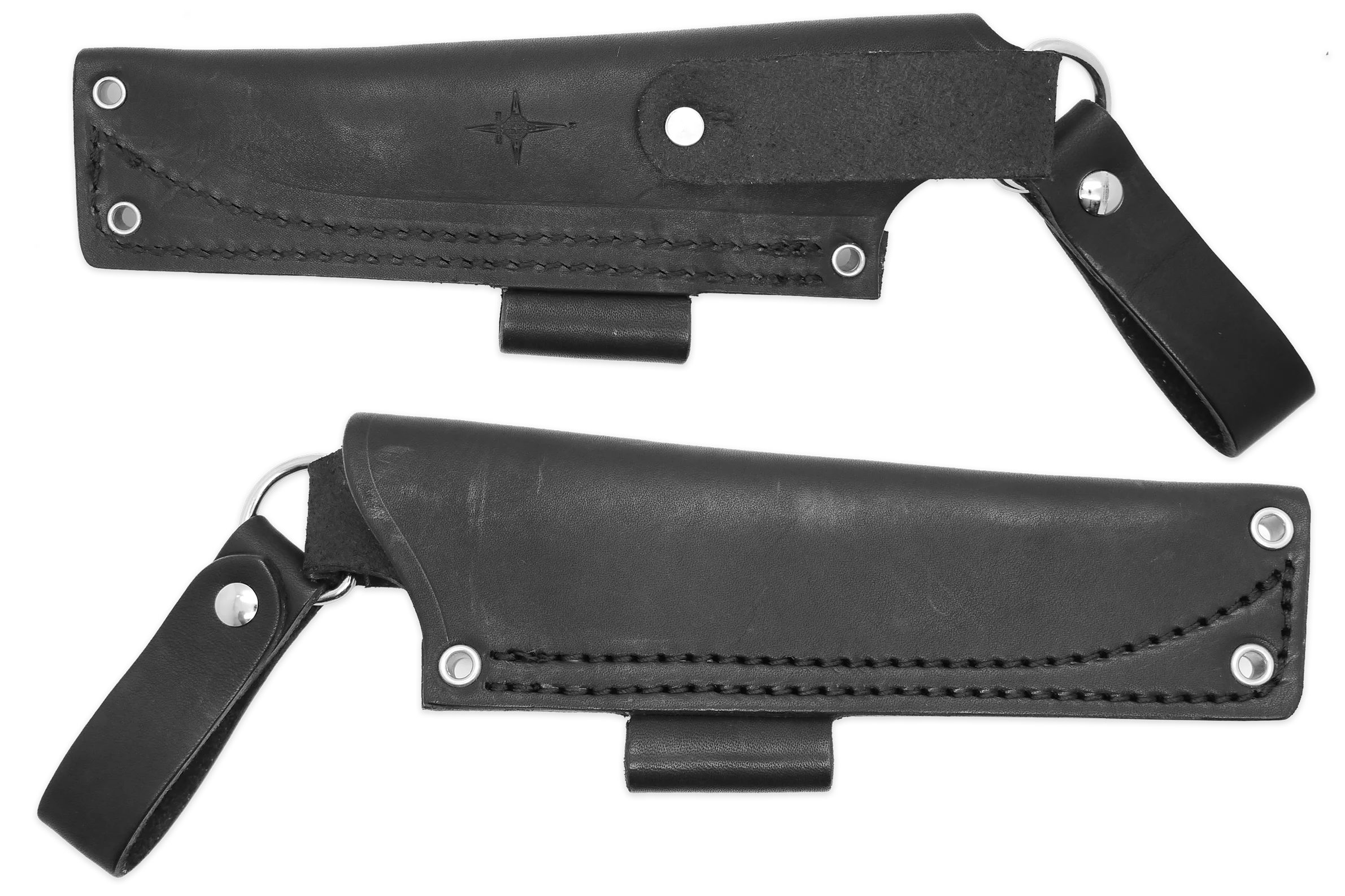
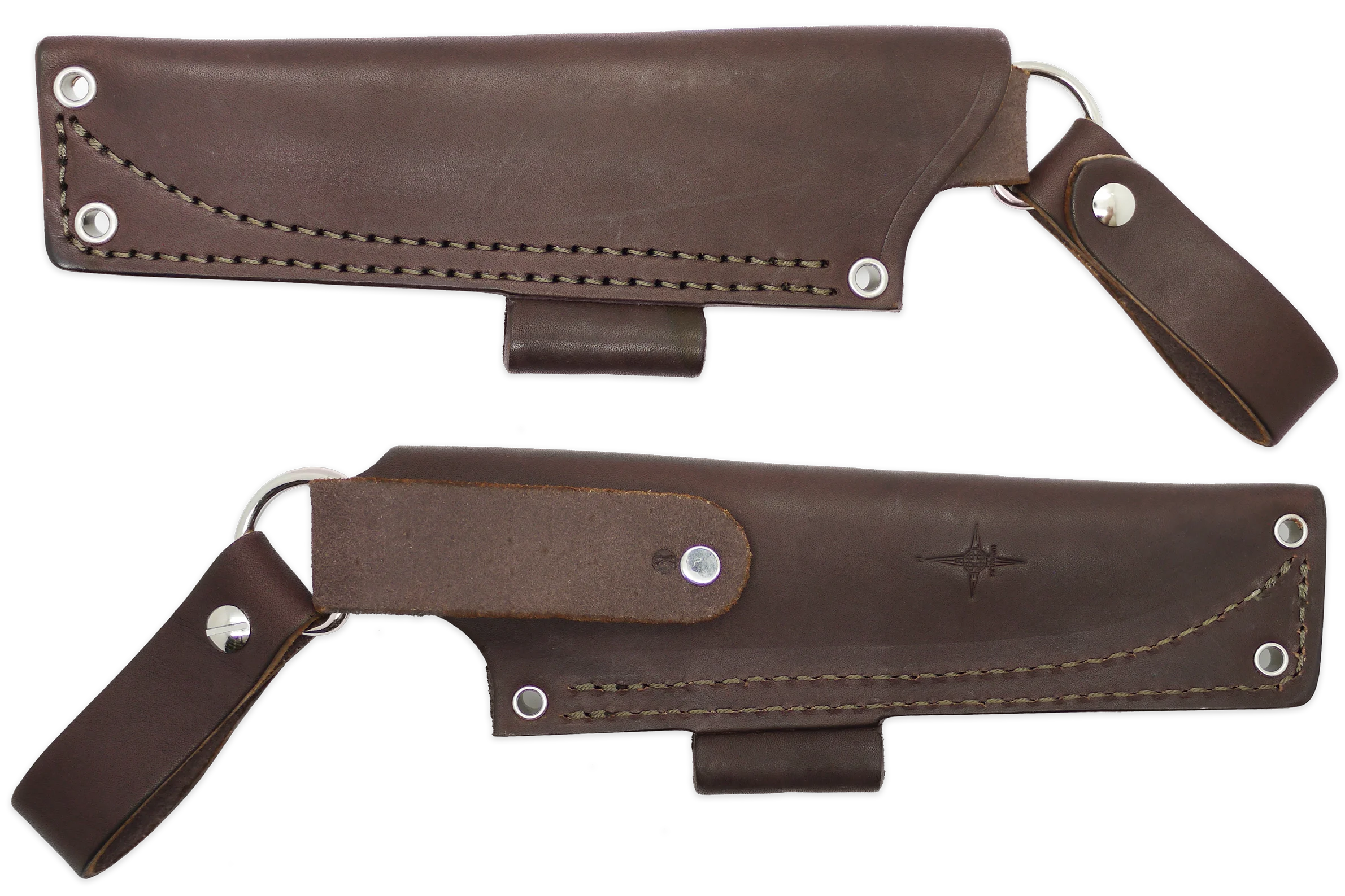
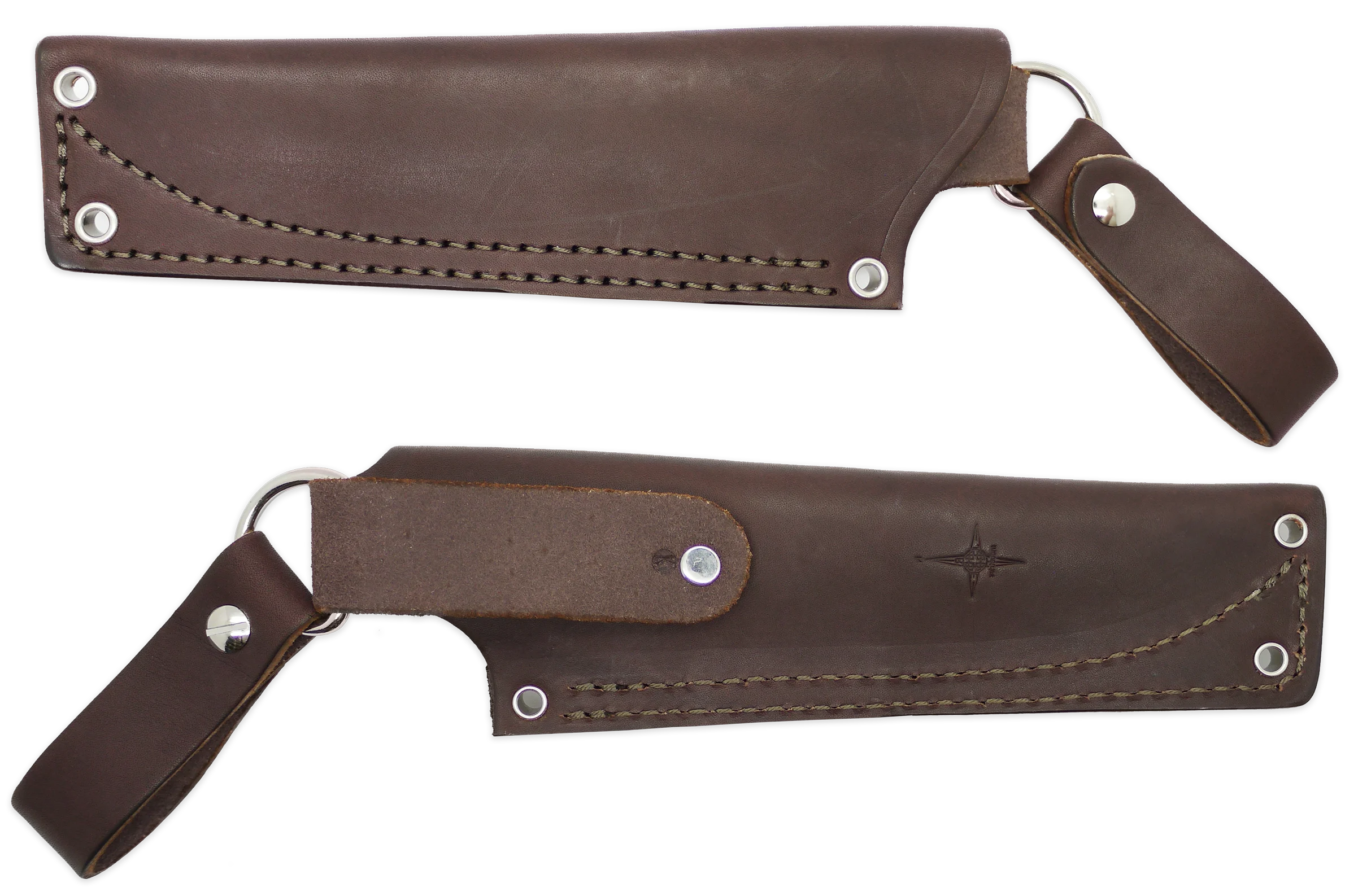
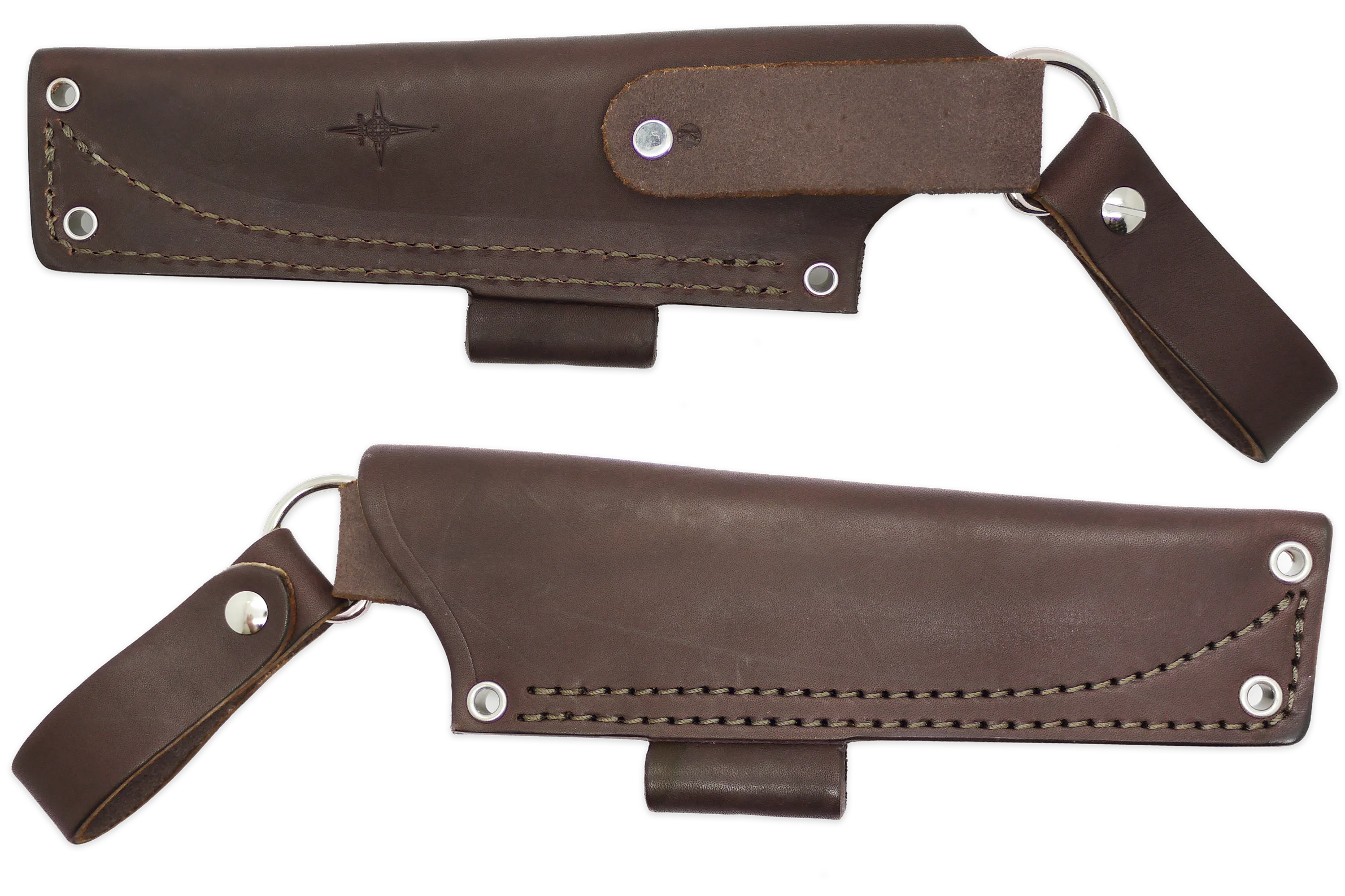
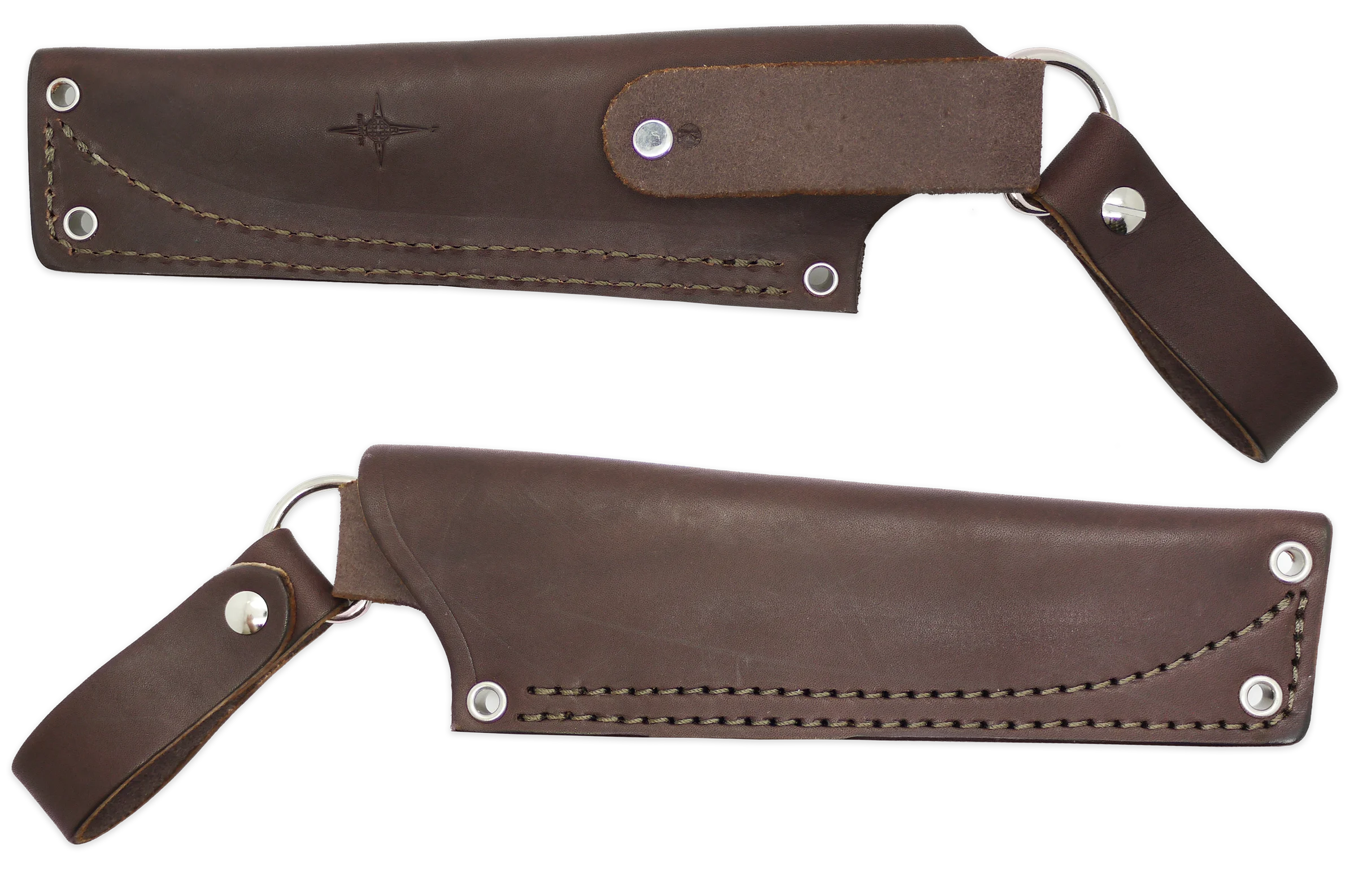
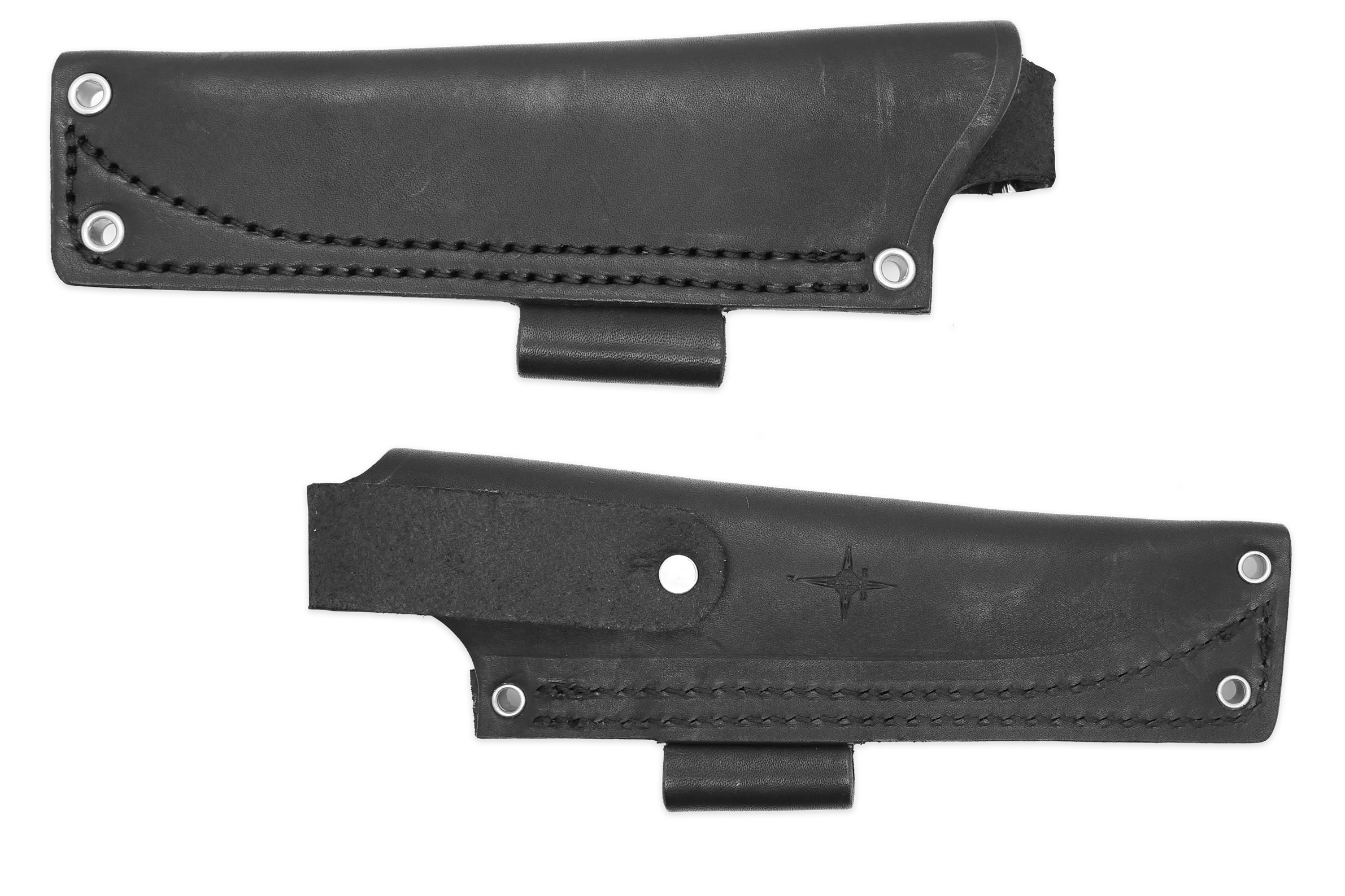
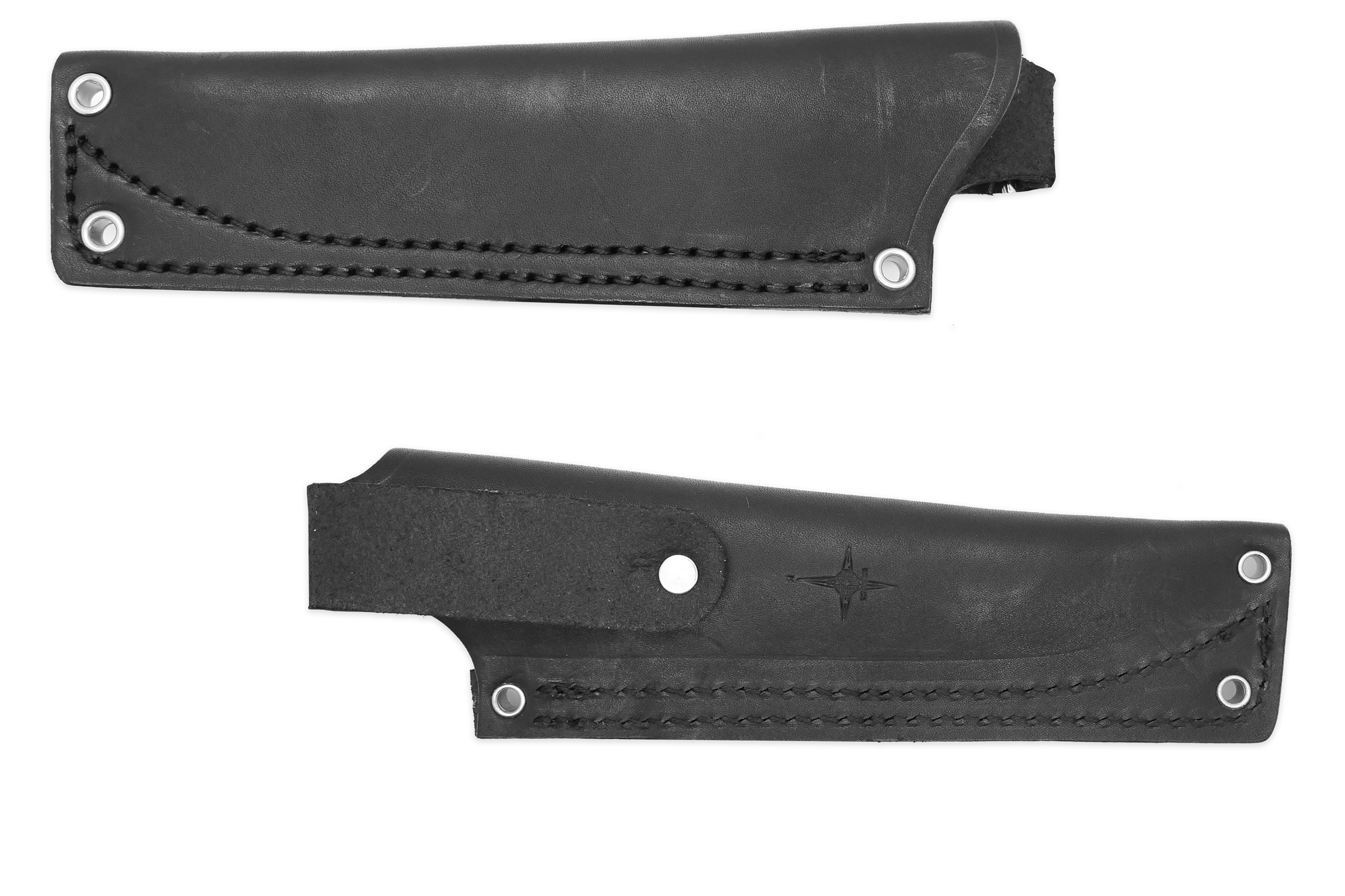
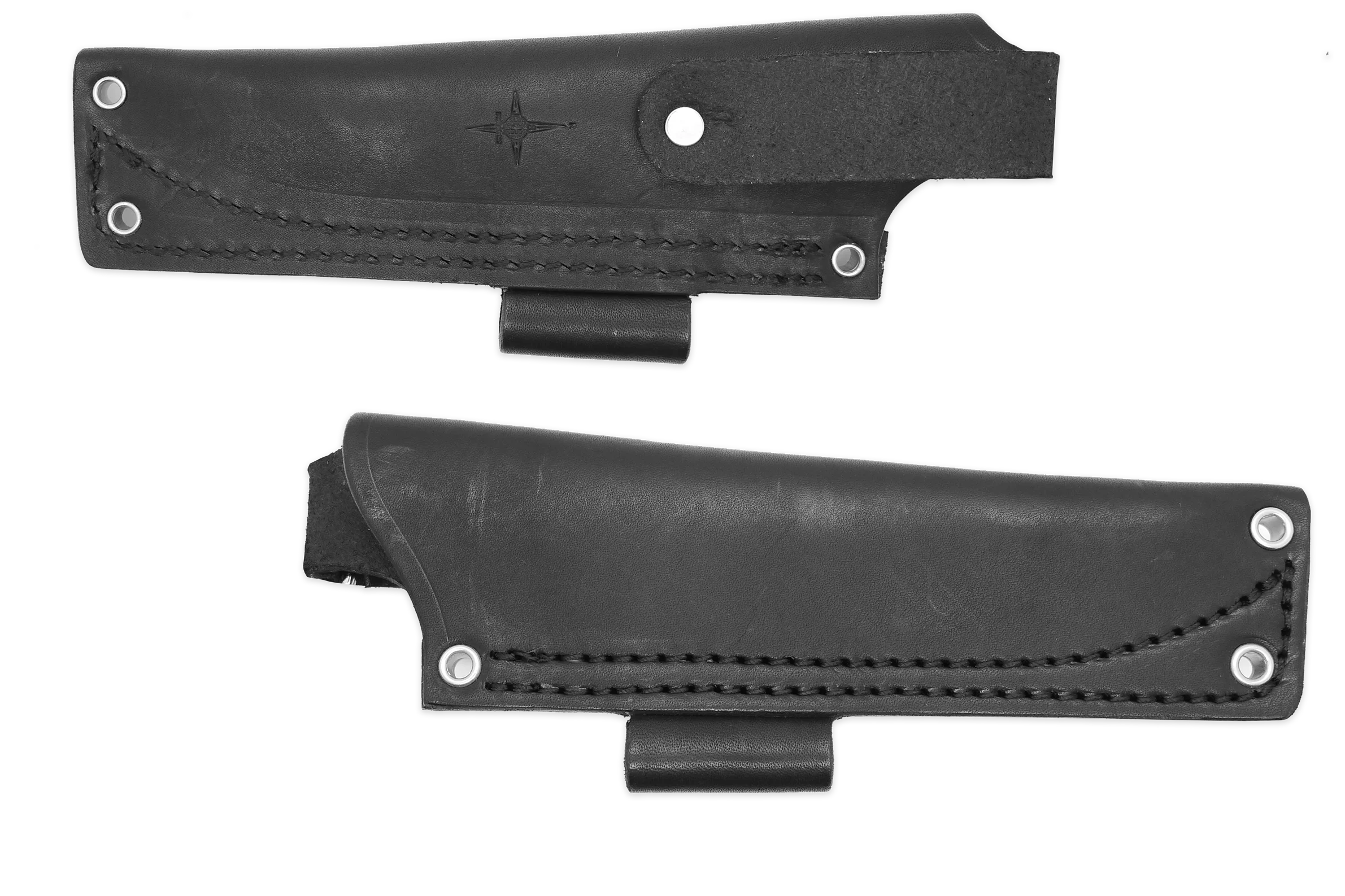
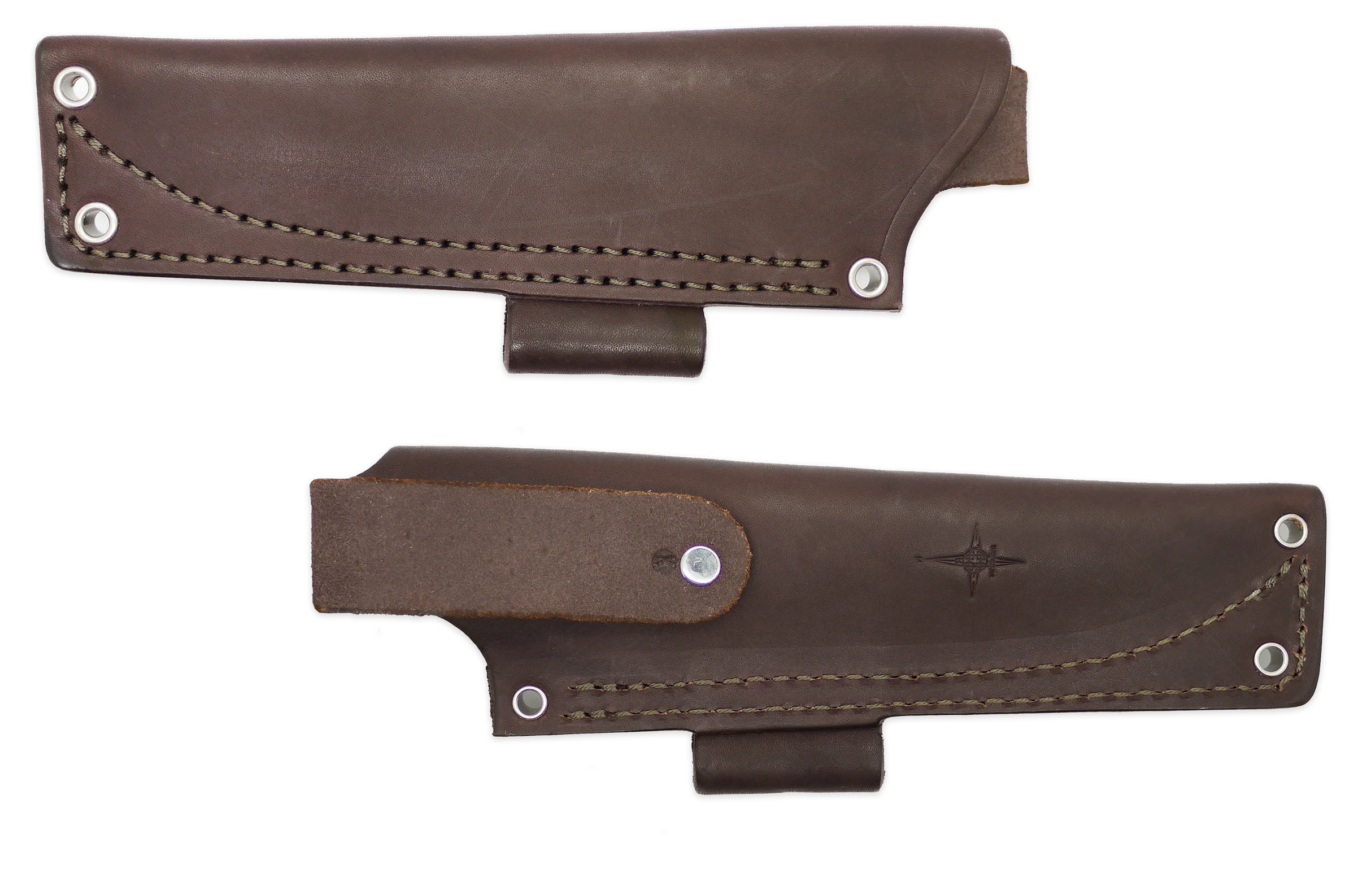
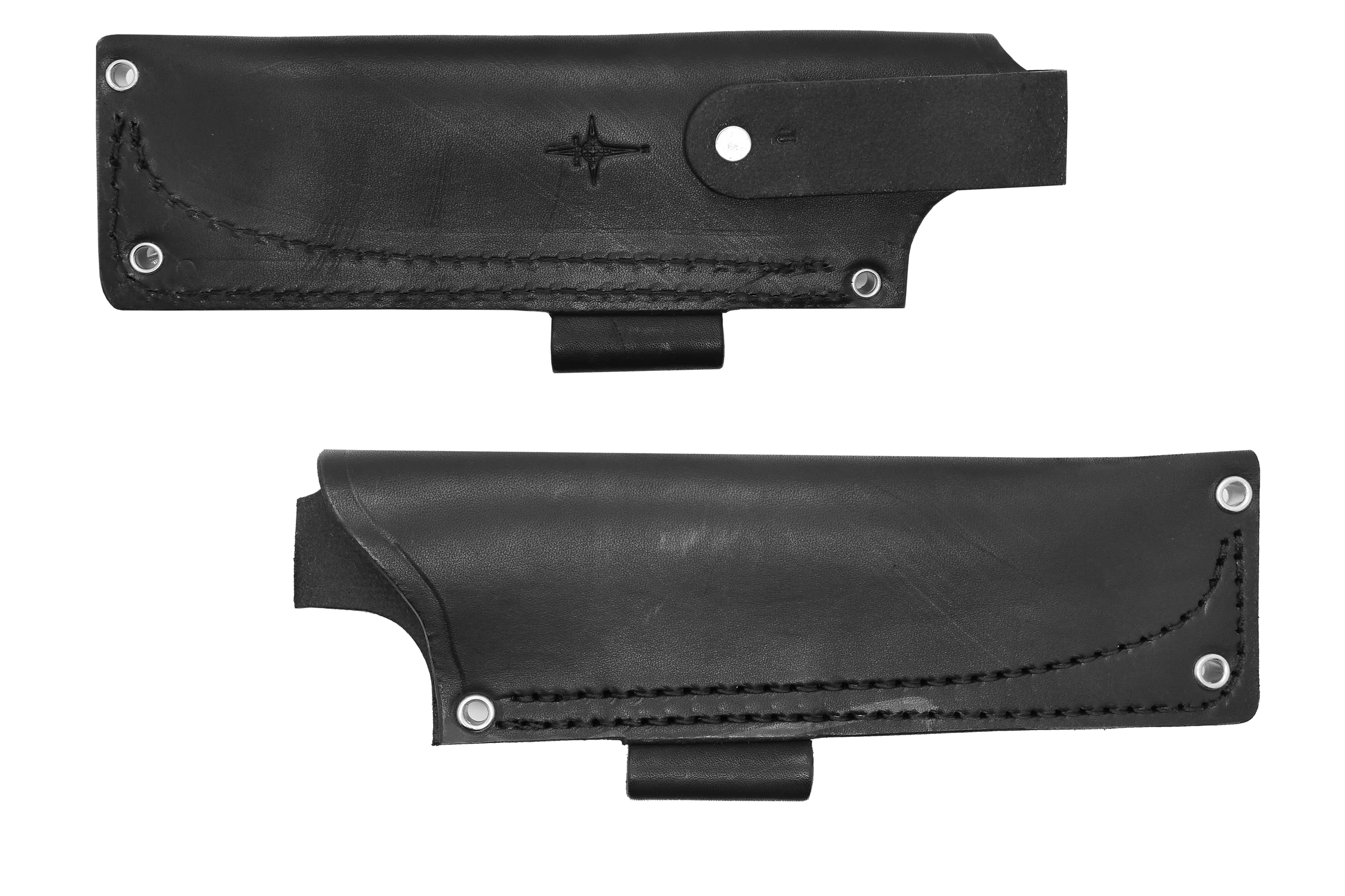
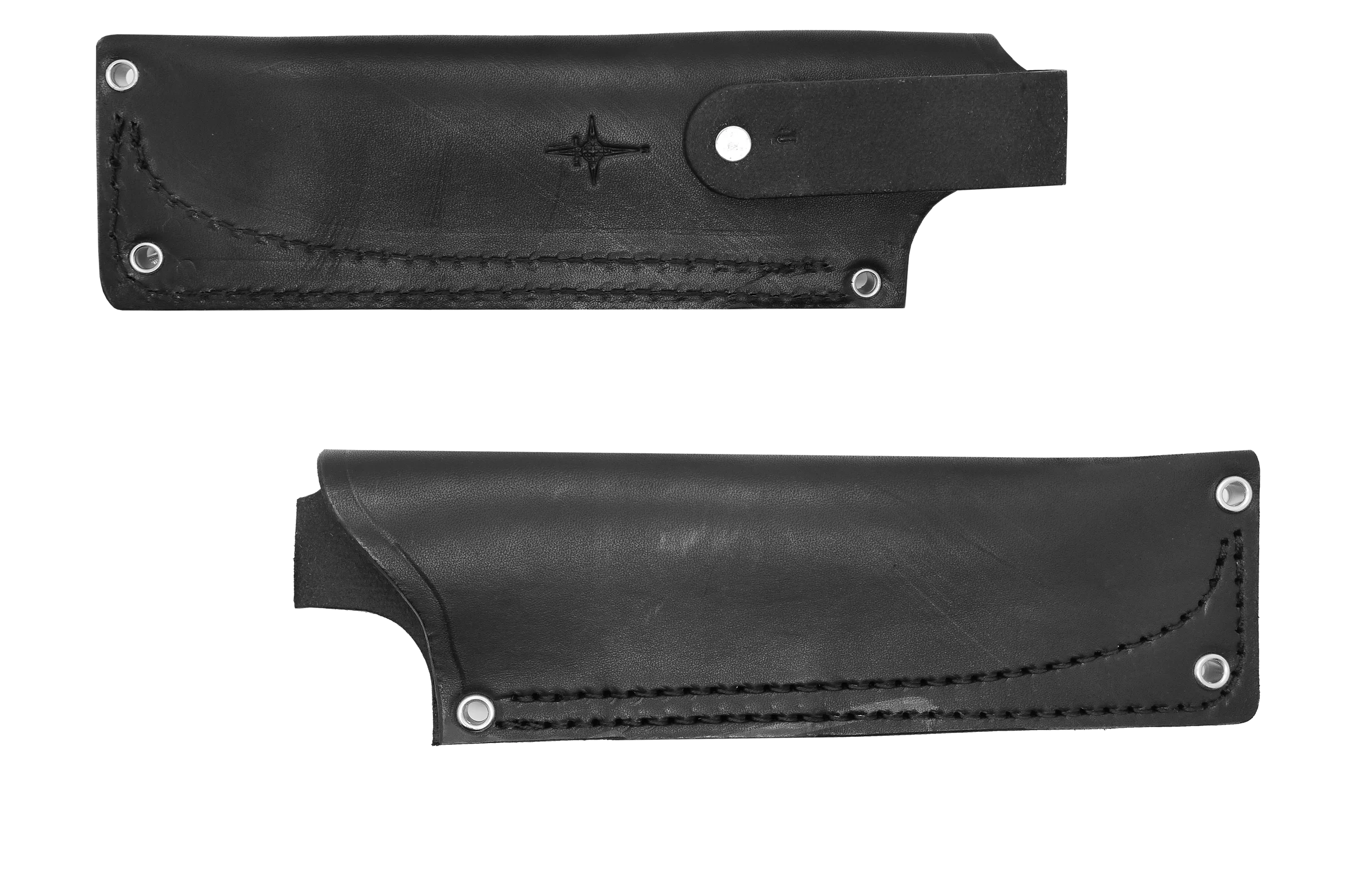
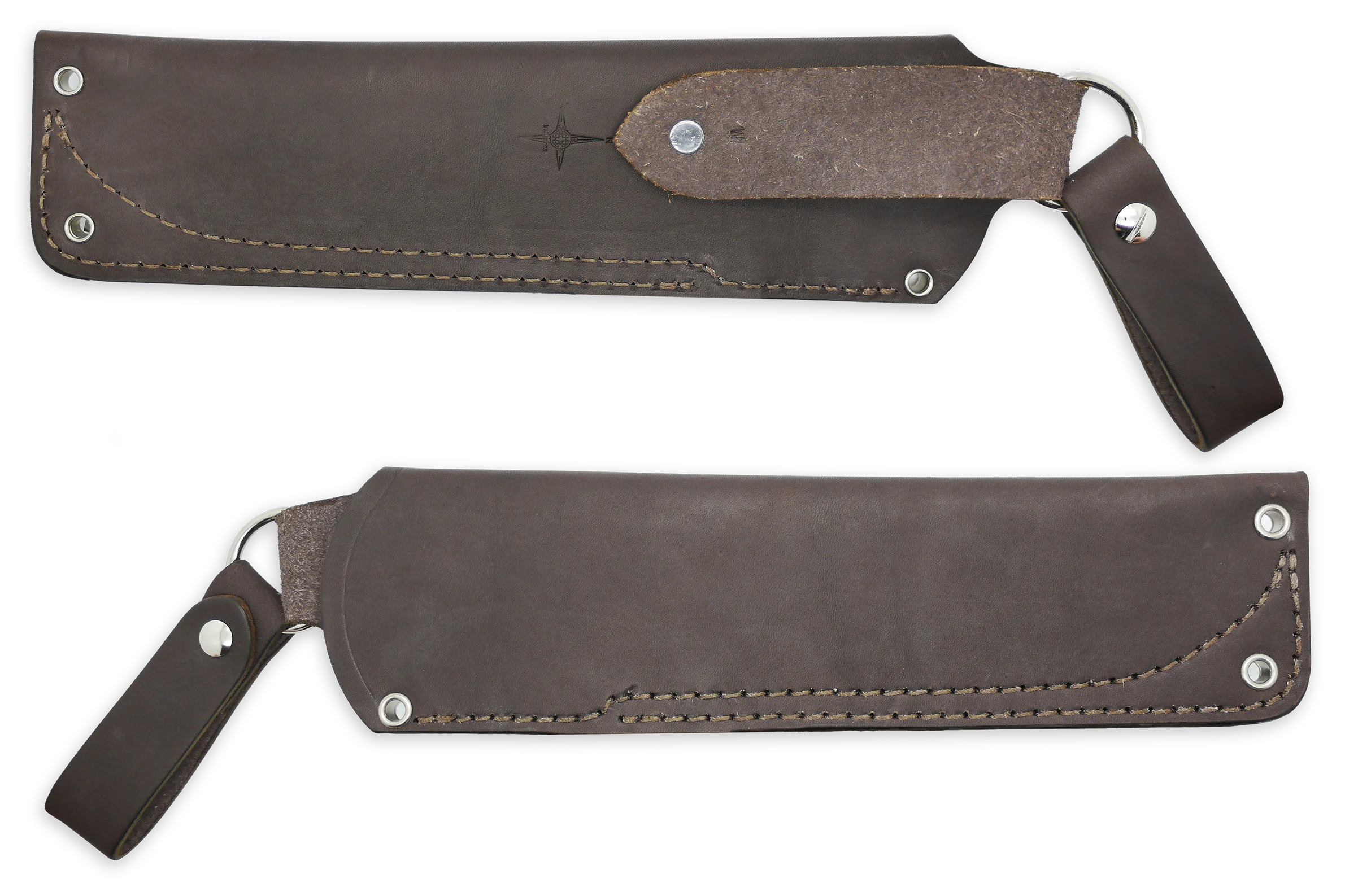
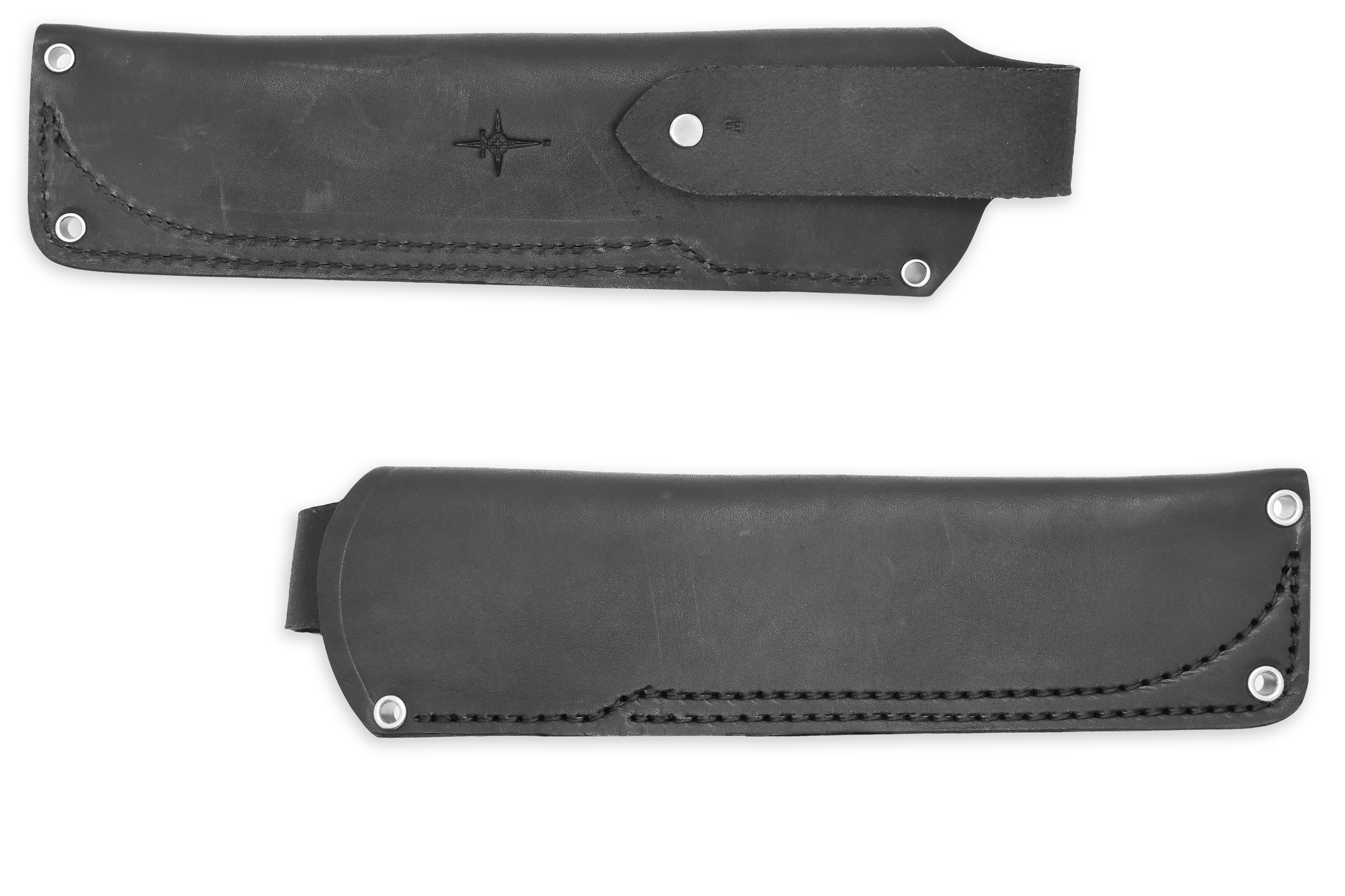
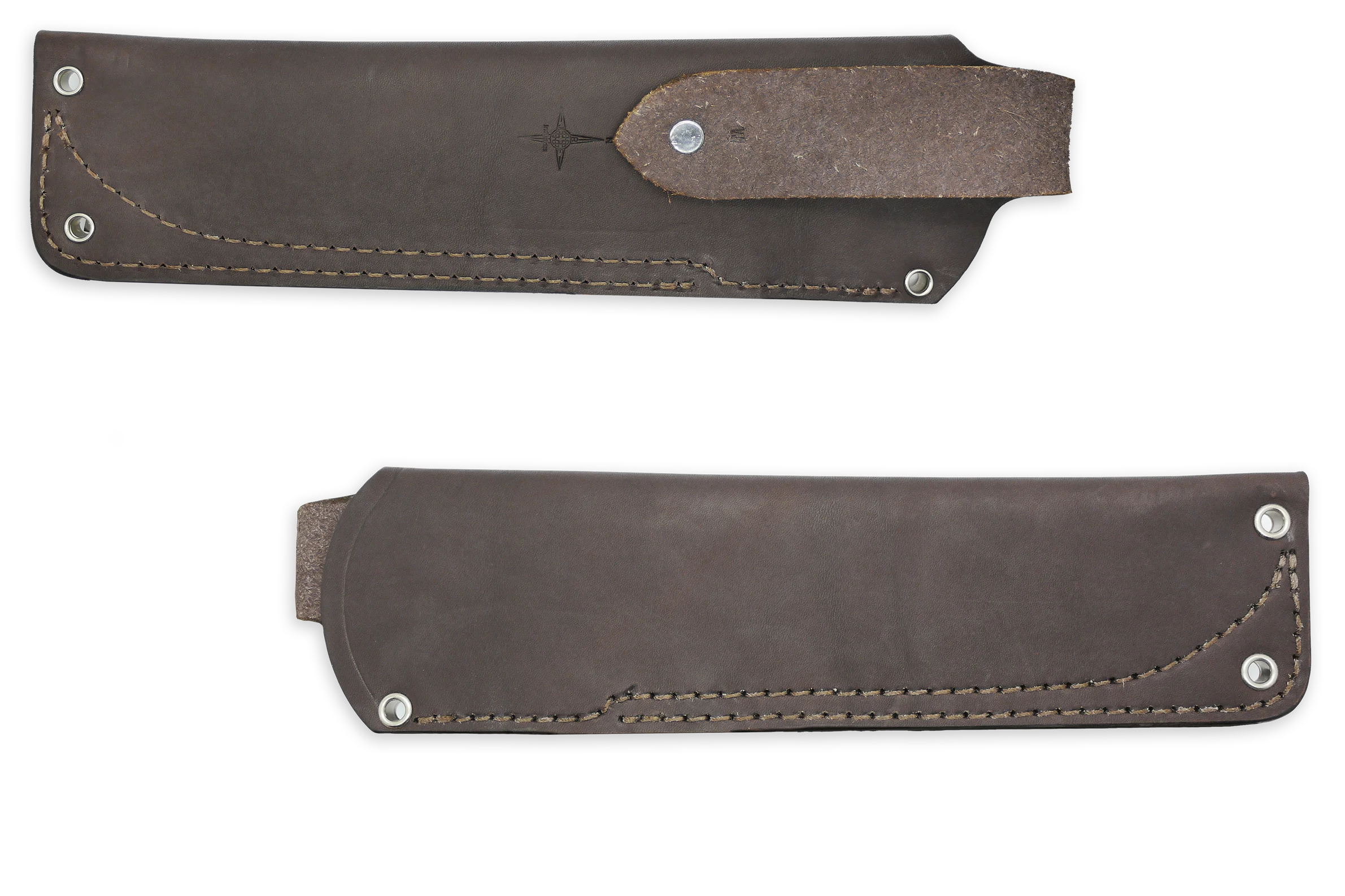
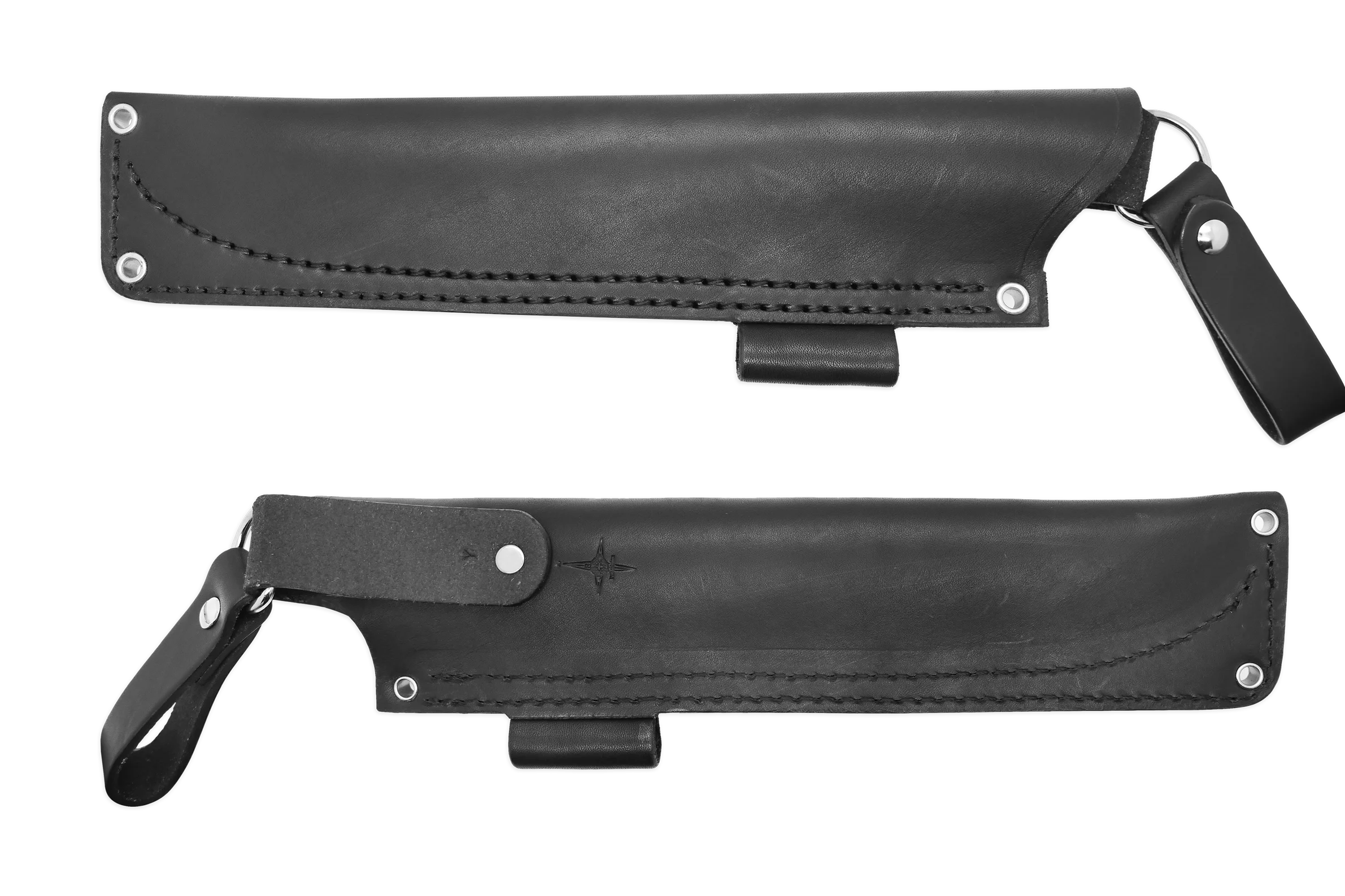
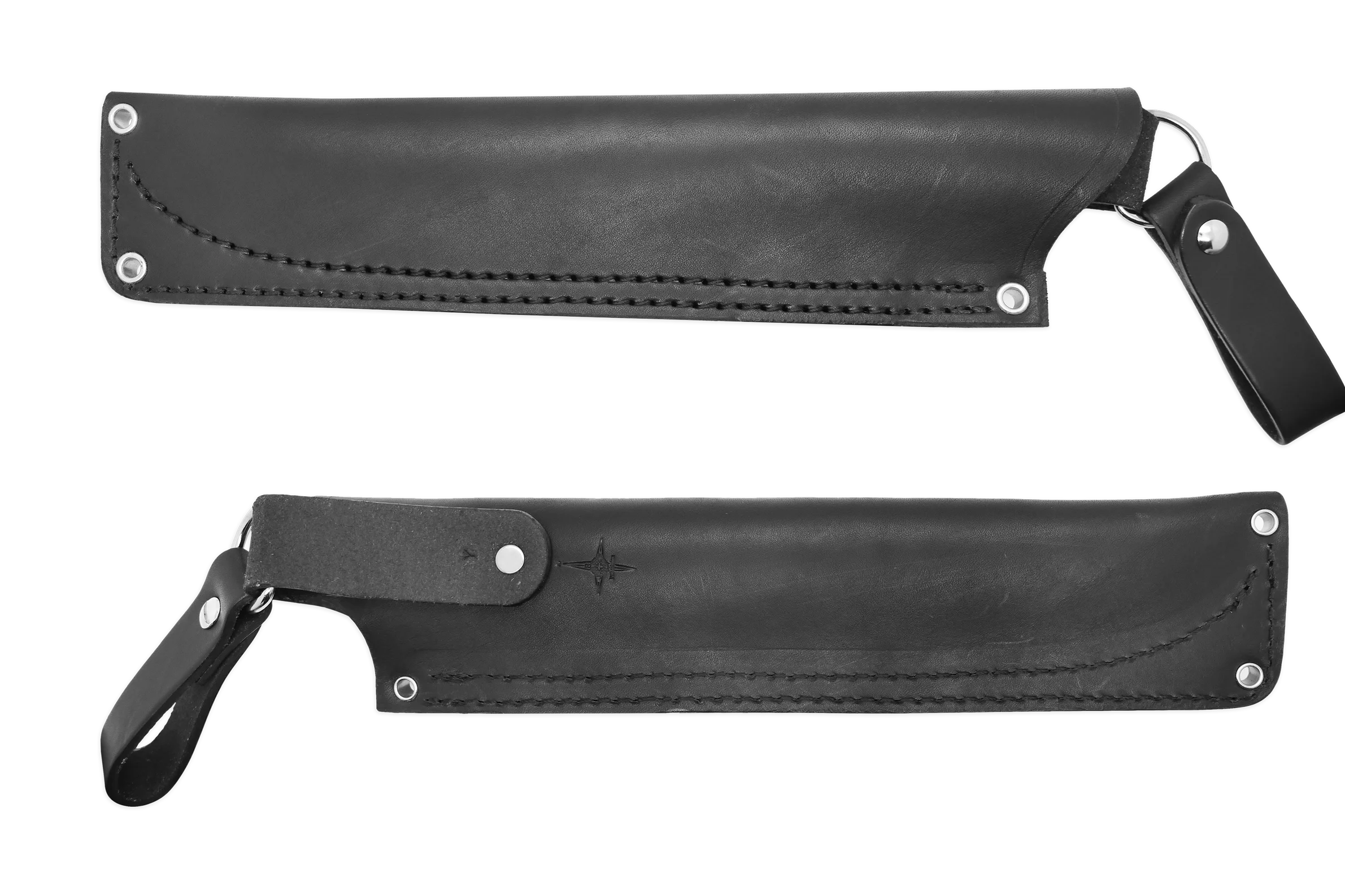
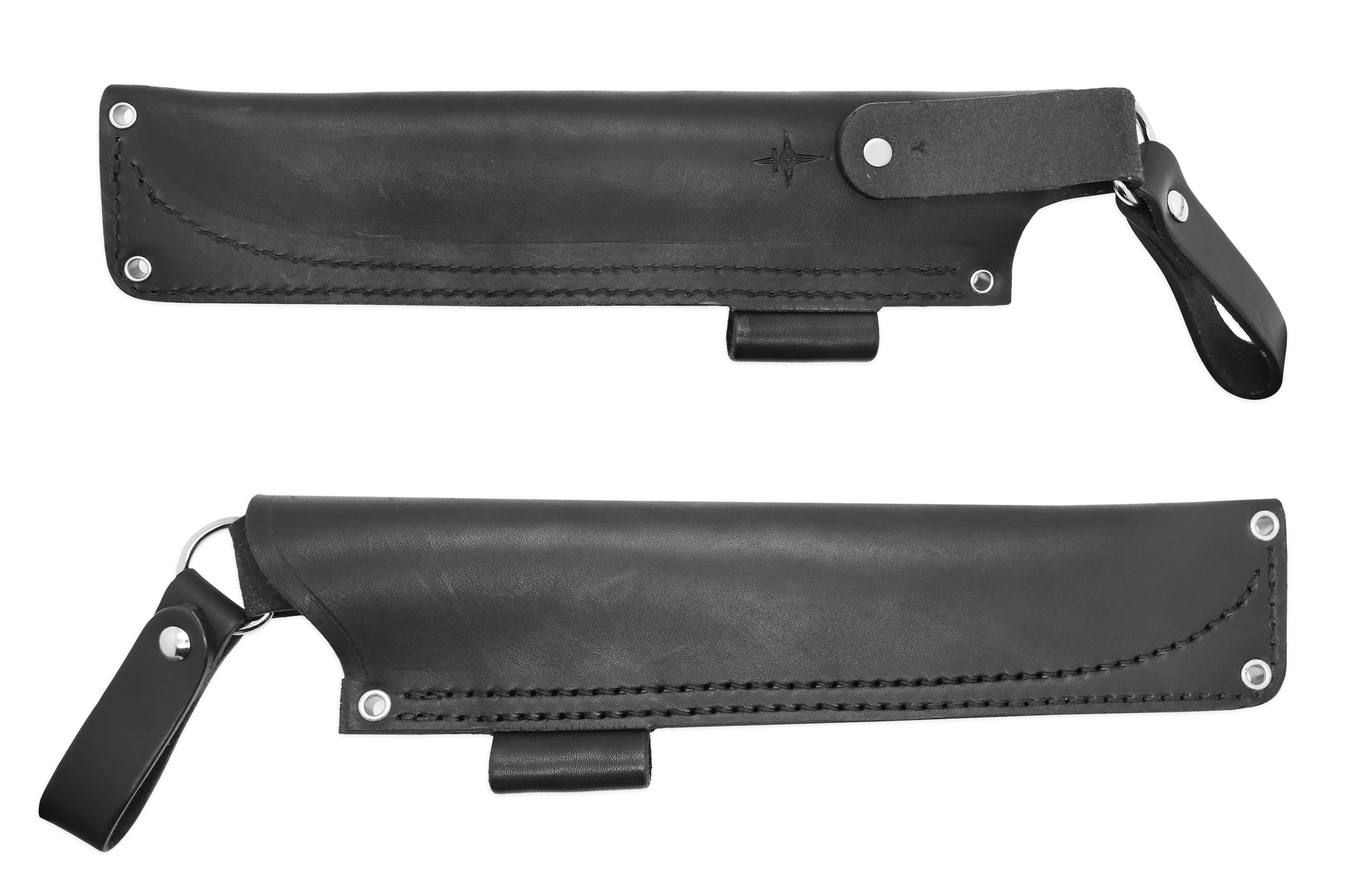
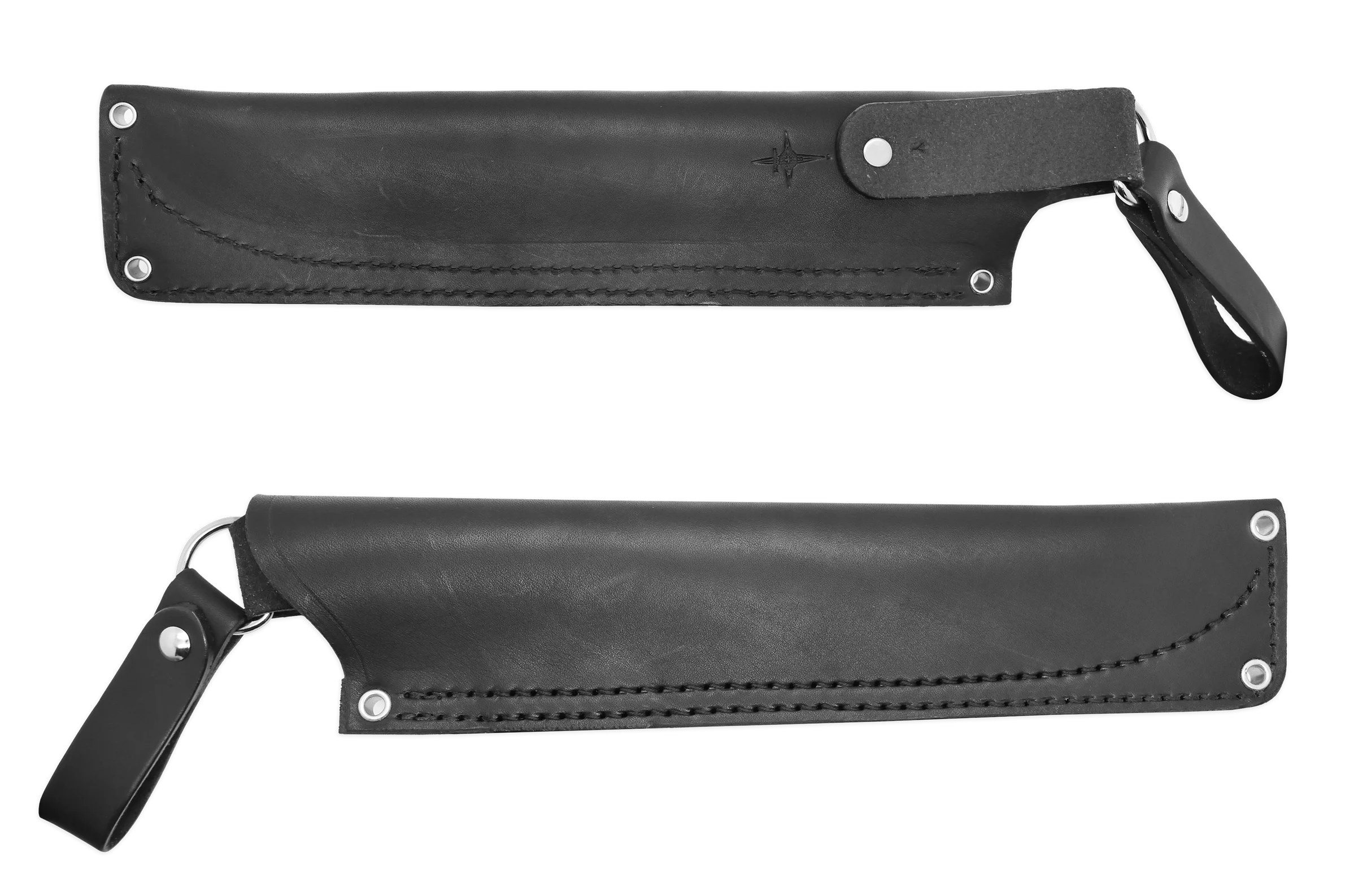
A lot of people still like classic leather sheaths that hang from their belts, but nowadays we have belt clips that can secure the sheath in a much safer way, making it more difficult for anyone else to grab your knife.
In the field, many soldiers and marines like to have their knife attached to their kit, right on top of their chest, and one of the simplest ways to do that is by simply duct-taping it!

Blade Design
Another thing you need to keep in mind when you’re asking yourself what makes a good tactical knife is the blade design. Things that are designed to look cool aren’t necessarily that practical in real life.
You want a simple blade with a point and a cutting edge. It would be great if the blade is a bit curved, but that’s not one of the important tactical knife features you should be focusing on.
Think about what a tactical knife is usually used for. It spends the majority of its life sheathed, and when it is used, it’s mostly used to cut open boxes, MRE packs, rope, seat belts, and similar items. Because of this, it’s important for your blade to fulfill the most important purpose of a knife: to cut.
Serrations and fancy angles are great in movies, but what truly makes a good tactical knife is a simple, Bowie-style or symmetrical spear-style blade.
Finally, the last thing we need to mention is sharpening! A knife is useless if it’s dull – make sure to always keep it sharp with a sharpening kit, otherwise you won’t even see it cutting through cheese, let alone all the things mentioned earlier.