Shipping Paused Until 9/20/25 during move to new warehouse (will ship sooner if possible).

- Cleaning a knife will help to keep its blade in excellent condition and ensure that it lasts for a long time.
- Those interested in learning how to clean a knife are often surprised to see how simple it is to maintain the appearance of their knives and keep them performing at a high level.
- By hand-washing a knife with the proper products, giving it enough time to dry, and applying a small amount of oil to its blade, you can prevent it from rusting and sustaining other damage.
Architect Knives’ online knife builders tool makes creating a custom knife from scratch easier than ever before. It gives you the power to decide which blade you want to incorporate into a knife’s design and which handle you would like to hold while using a knife.
However, once you get a personalized knife from Architect Knives into your hands, it will be up to you to maintain it. Cleaning a knife is of the utmost importance since it will determine how it looks and performs, as well as how long it ultimately lasts.
Are you on the verge of investing in a new knife and wondering how to clean a knife effectively? Or, do you already own a knife and want to know how to clean it better than you are now? Keep reading to see the steps you must take to make your knife shine.
Step 1: Gather the Necessary Cleaning Products
Cleaning a knife doesn’t require you to buy a bunch of expensive cleaning products. While you can take your efforts to the next level by buying special knife-cleaning kits, you can also get the job done with little more than these basic essentials:
- Mild dish soap
- Non-abrasive sponge (avoid using steel wool or abrasive pads since they can scratch a knife’s blade)
- Soft towel
You will also need access to warm water. We suggest using an empty kitchen, bathroom, or utility sink for knife-cleaning purposes.
Step 2: Commit to Cleaning a Knife as Soon as Possible
Generally speaking, you want to clean a knife after each time that you use it. You also want to clean a knife as quickly as you can to stop dirt, moisture, and debris from staining its steel blade and other components.
If you know you’ll be using a knife on a particular day, set aside some time to clean it. Letting a dirty knife sit untouched for even just a few days could have long-term ramifications.
Step 3: Hand-Wash a Knife Using the Correct Techniques
Sticking a high-quality knife into a dishwasher to clean it is a huge no-no. Exposing its parts to dishwasher detergent and heat can cause corrosion, dull the blade, and force you to sharpen the knife more often, leading to other forms of lasting damage.
Instead, you should always hand-wash a knife and use the proper techniques to get it completely clean. Work your way through these steps:
- Begin by holding your knife by its handle.
- Use mild dish soap and a non-abrasive sponge to wipe both sides of its blade clean, moving from the spine of your knife to its edge.
- Gently clean each side of its handle while steering clear of touching its blade and risking injuries.
Finish cleaning a knife by rinsing it thoroughly. Leaving even just a little soap residue behind could result in aesthetic and performance issues.

Step 4: Dry a Knife by Hand
It’s impossible to figure out how to clean a knife without any liquid. However, the same water that you use to clean it could cause extensive damage if you aren’t careful.
Allowing moisture to sit on the surface of a knife’s blade, especially if it is made out of a material like carbon steel, can introduce rust into the equation. For this reason, you must have a soft towel handy to dry off every square inch of a knife, while giving extra attention to its blade.
Whatever you do, don’t let a knife air dry rather than drying it by hand. Taking this approach might harm both its blade and handle in no time.
Step 5: Apply a Small Amount of Oil to a Knife
If your knife features a carbon steel blade, applying a small amount of oil could work wonders. Using this oil after cleaning a knife can help to:
- Prevent a blade from rusting
- Protect it from corrosion
- Improve its performance
- Extend its lifespan
Just try not to over-oil your knife’s blade since this may lead to excess dirt and debris building up. Many experts recommend that knife owners oil their blades twice annually to achieve the best results.
Step 6: Store a Knife Properly to Prevent Damage
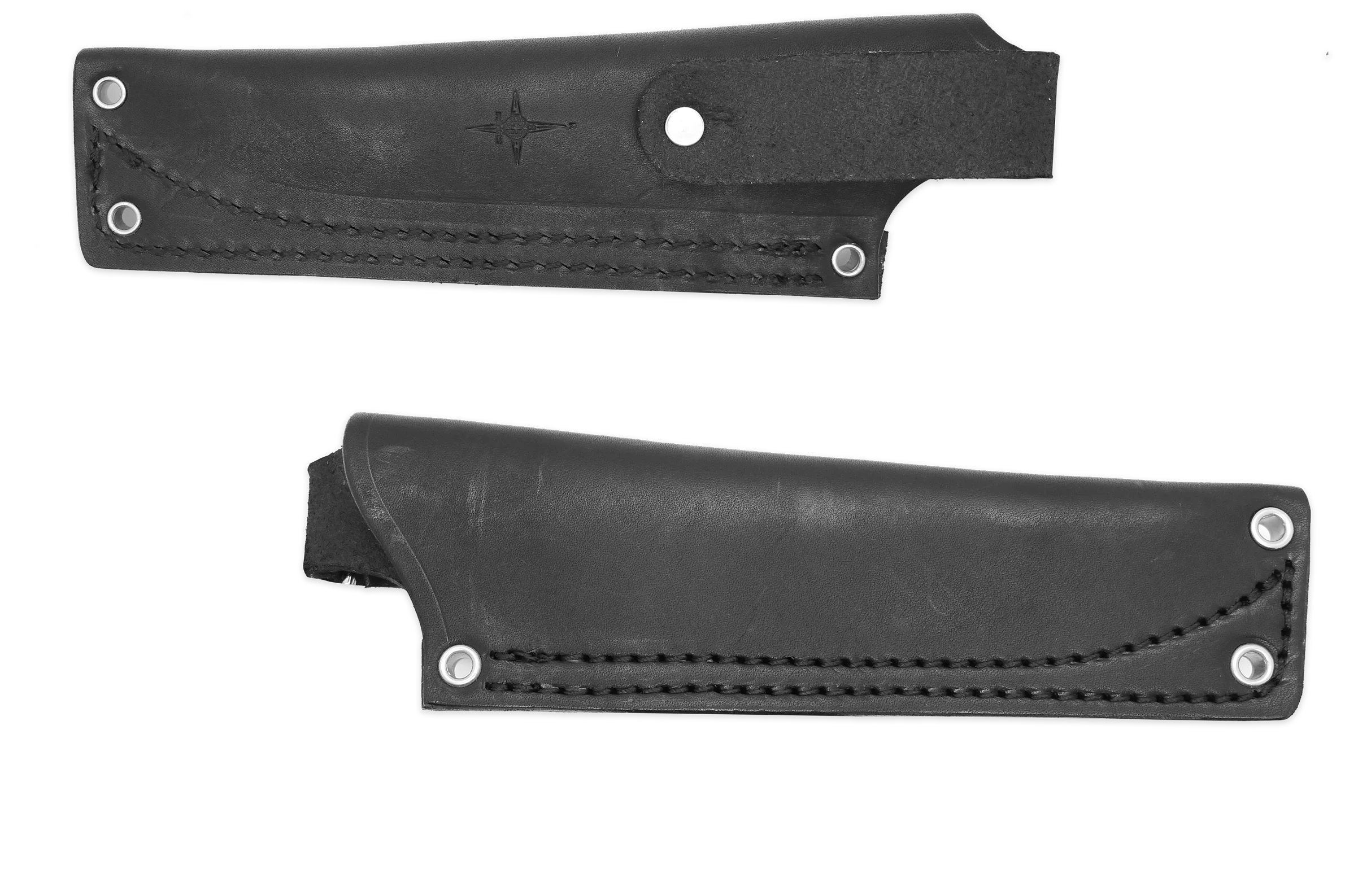
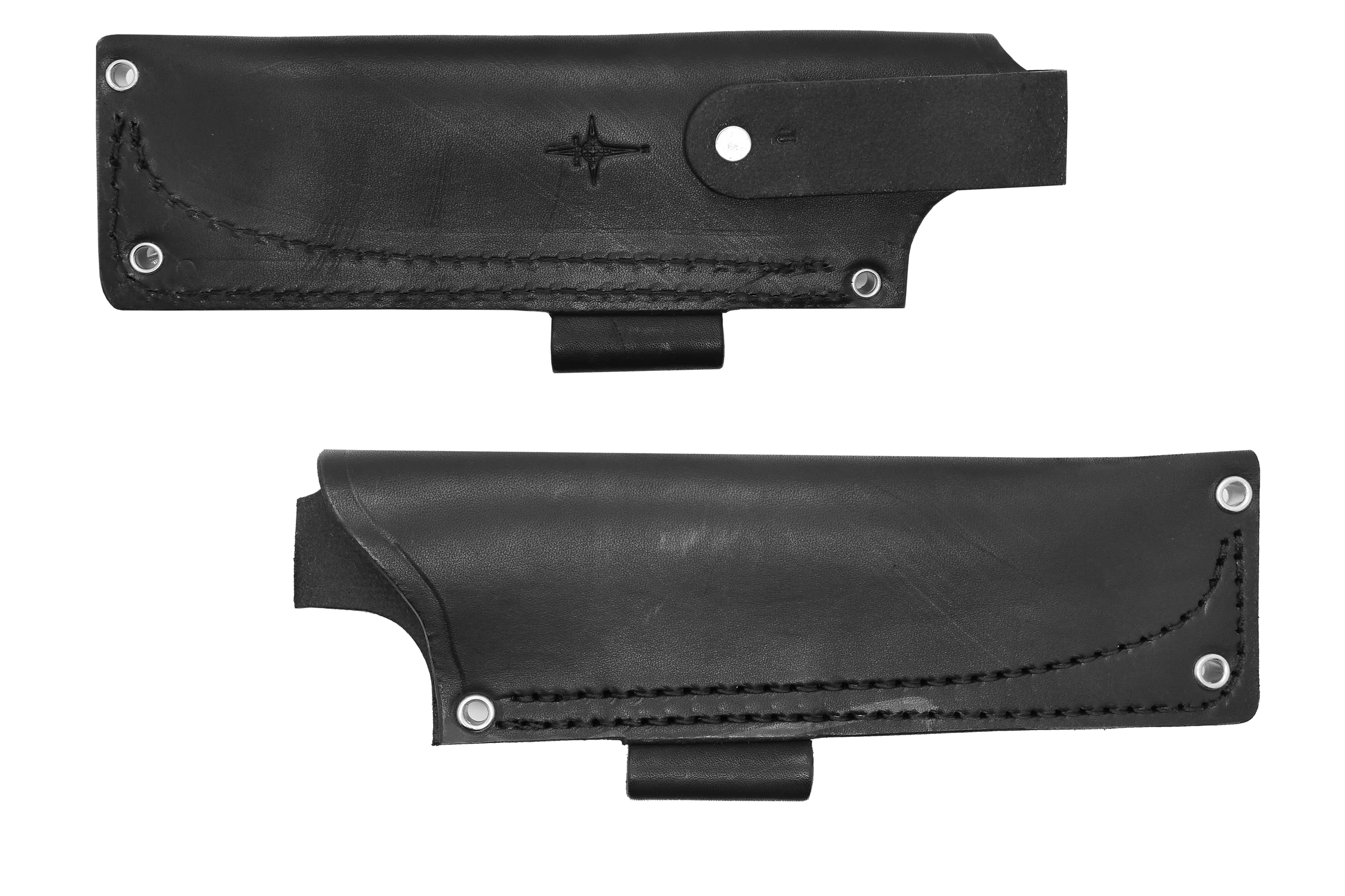
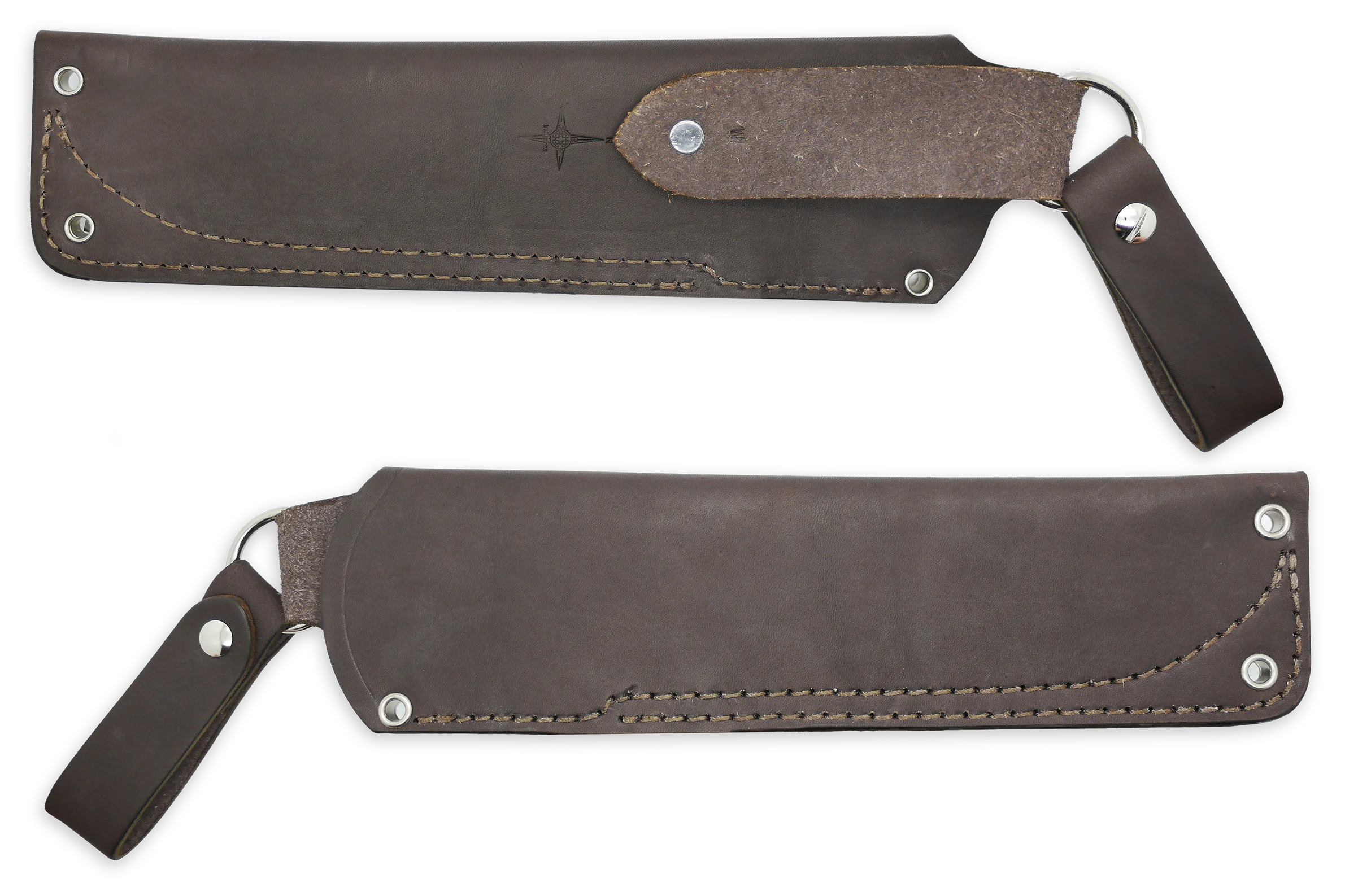
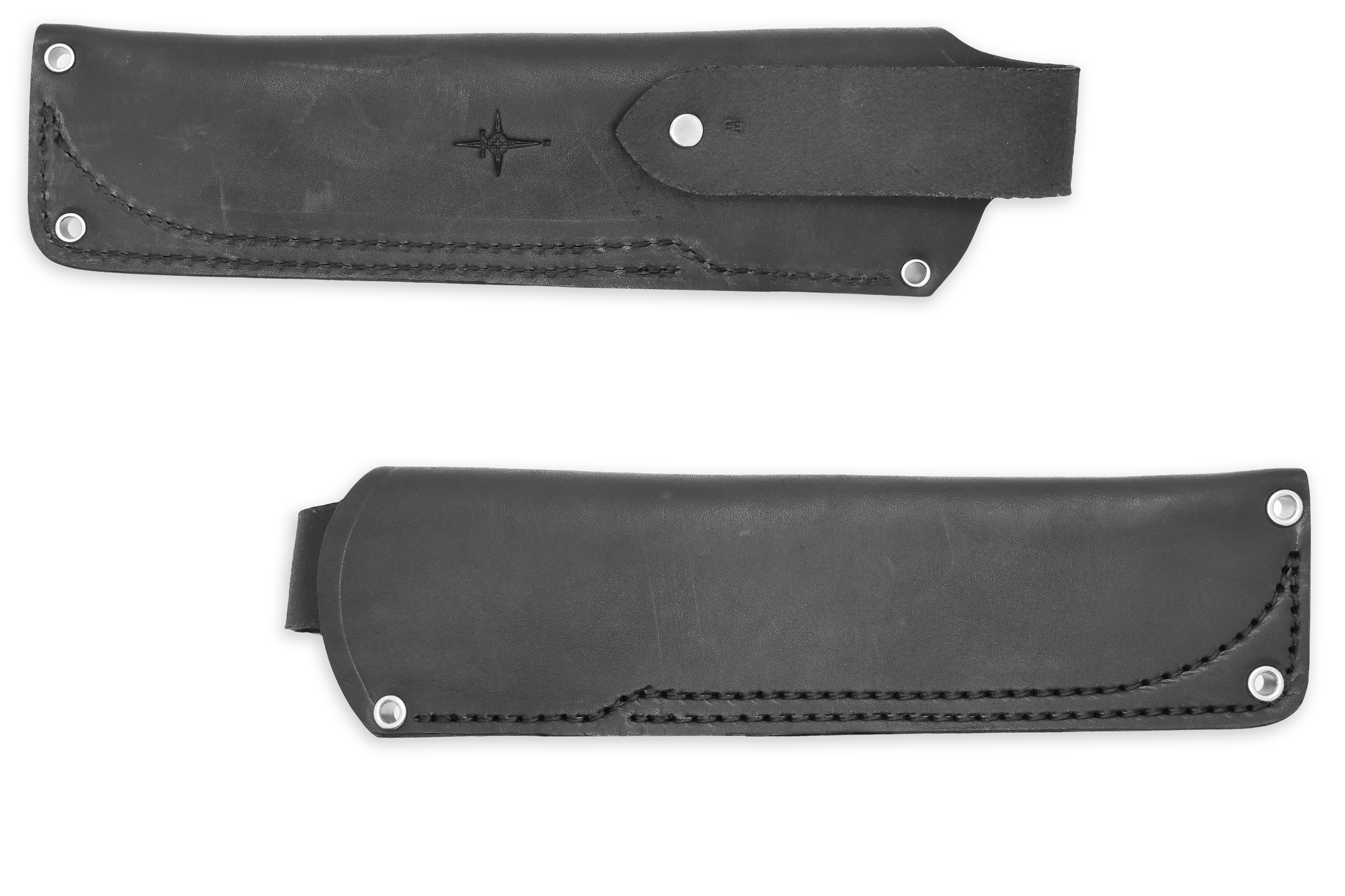
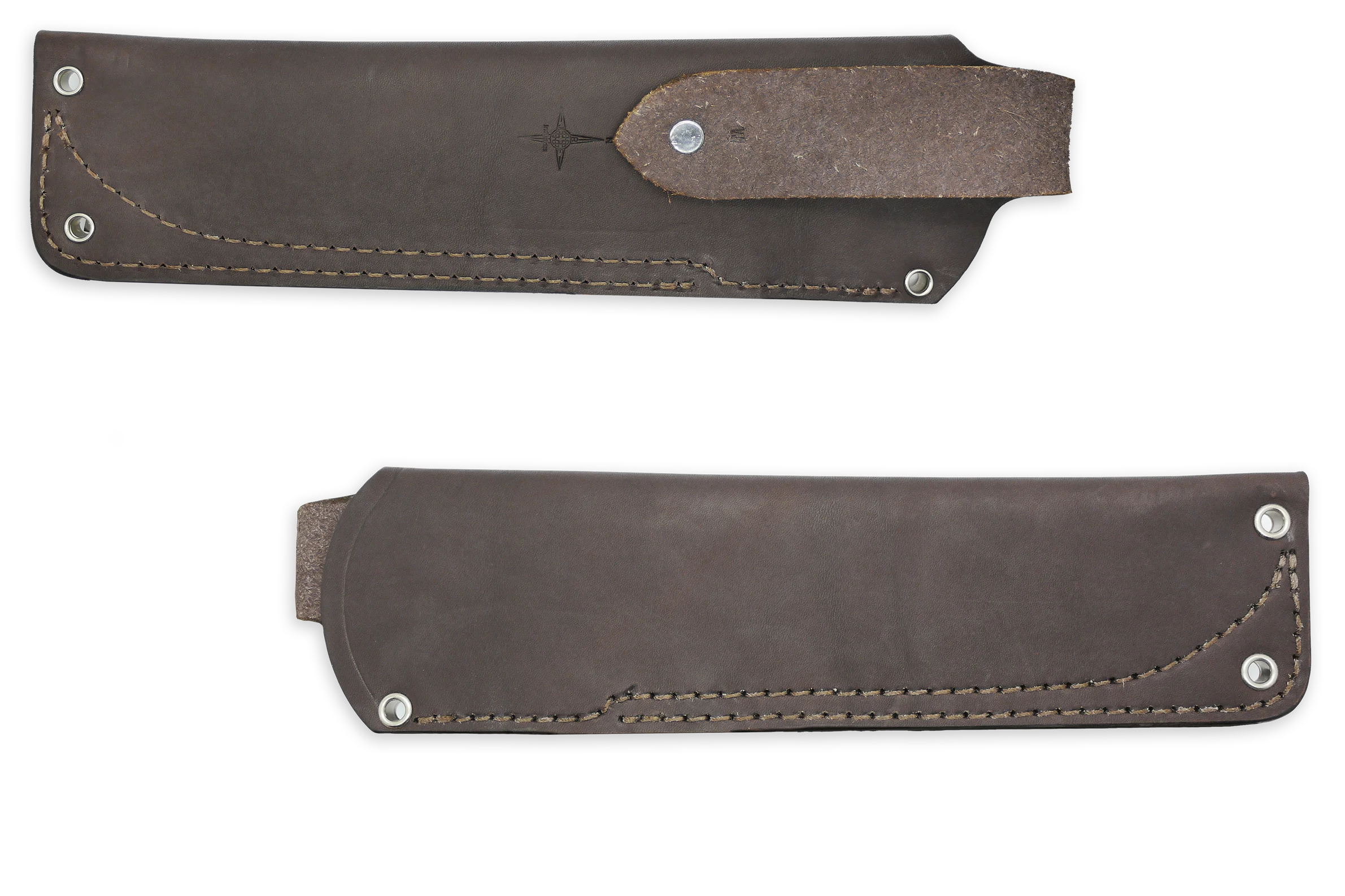
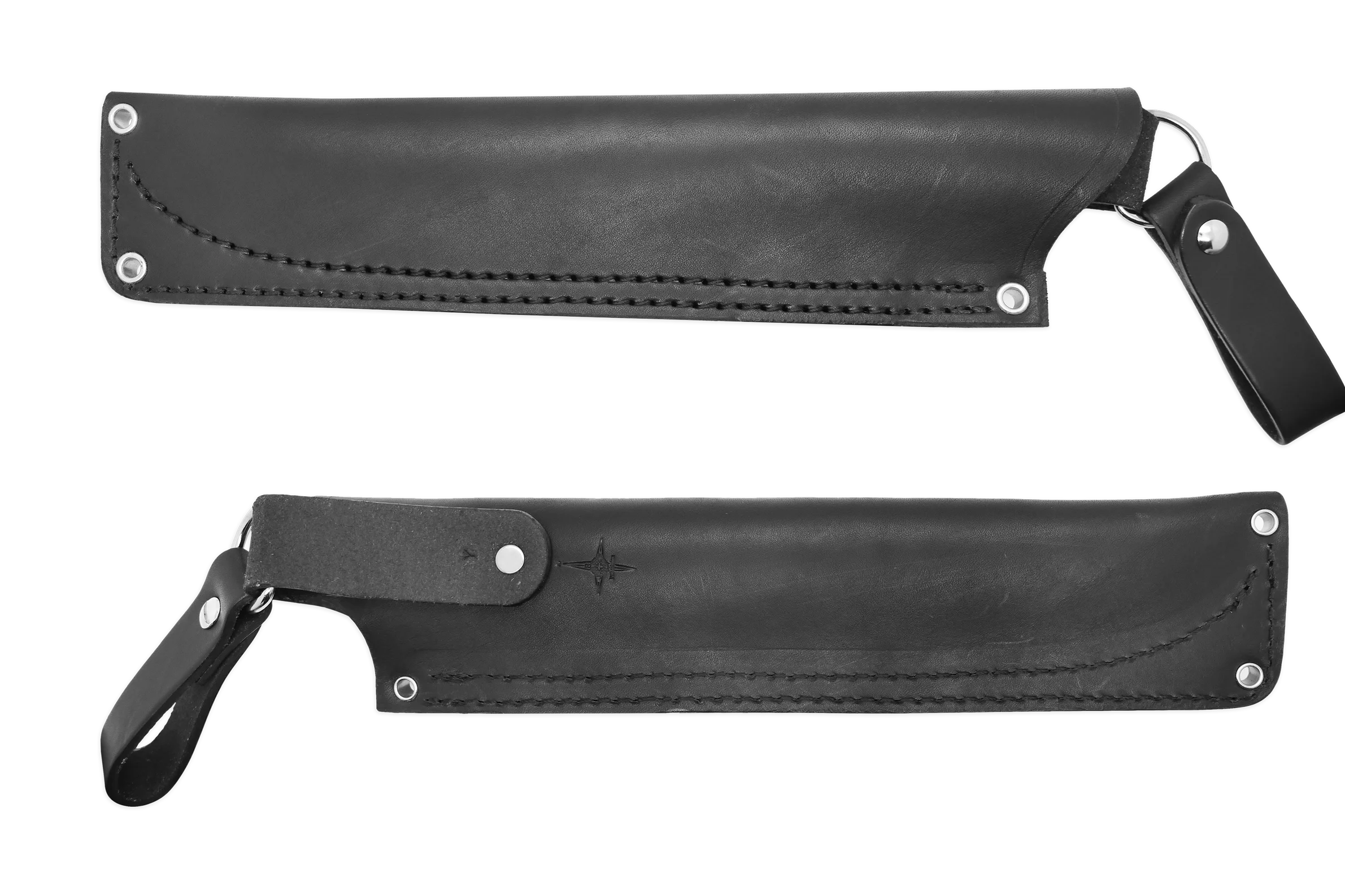
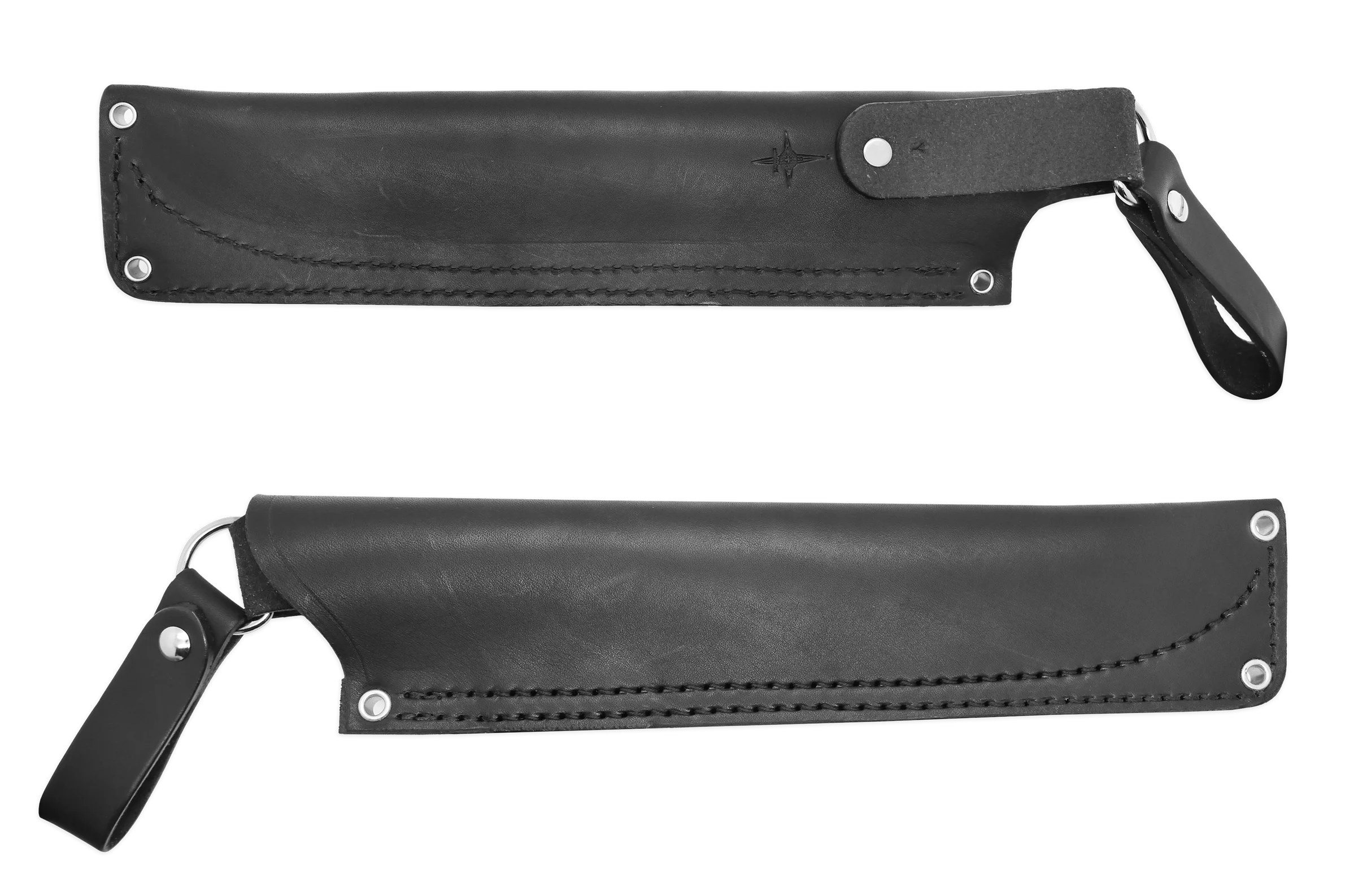
Once you’re finished cleaning it, you may be tempted to stick your knife back into its sheath for safekeeping. This might sound like a logical idea, but using a sheath for storage can do more harm than good. A sheath, especially when it’s made out of leather, can absorb moisture from the surrounding air and transfer it to a knife’s blade, causing rust and corrosion.
Invest in a soft storage case for your knife instead. It will safeguard your knife, keeping it clean until the next time you need it.

Now That You Know How to Clean a Knife, Start Doing It Regularly
If you fail to make cleaning a knife a top priority, it might not be long before you end up having to replace it. In addition to affecting its appearance, not cleaning it could also cause your knife’s blade to rust and exhibit other signs of corrosion.
Use the helpful tips and tricks that we have provided here to keep your knife spotless. Shop for cleaning kits, soft storage cases, and other items that can help you maintain a knife.

Daniel Wilder is a dedicated team member at Architect Knives. With a passion for high-quality craftsmanship and innovative design, Architect Knives ensures every knife will exceed your expectations. Outside of work, you’ll often find Daniel putting the latest knife designs to the test while camping, hunting, and exploring the great outdoors. Follow his insights and adventures in the world of precision blades at Architect Knives.