Shipping Paused Until 9/20/25 during move to new warehouse (will ship sooner if possible).

Architect Knives makes it easy to create a custom knife from scratch. After piecing one together using our online Knife BUILDERS tool, protect your investment by prioritizing knife maintenance. Keep your new knife in excellent condition by cleaning it, sharpening its blade, and storing it properly.
Not sure where to begin? Architect Knives is here to help by providing helpful knife care tips. Keep these things in mind as we get started:
- Commit to cleaning your knife after each use.
- Utilize the right cleaning products for knife maintenance.
- Ensure your knife offers consistent performance by routinely sharpening its blade.
- Store your knife correctly to stop moisture from causing rust and corrosion.

Cleaning
Cleaning is one of the most basic forms of knife maintenance. To keep a knife clean, all you should need is mild dish soap, a soft sponge, and warm water. Yet, you shouldn’t overlook the importance of cleaning a knife because of its simplicity. Be sure you know how to clean its various parts effectively.
Cleaning the Blade
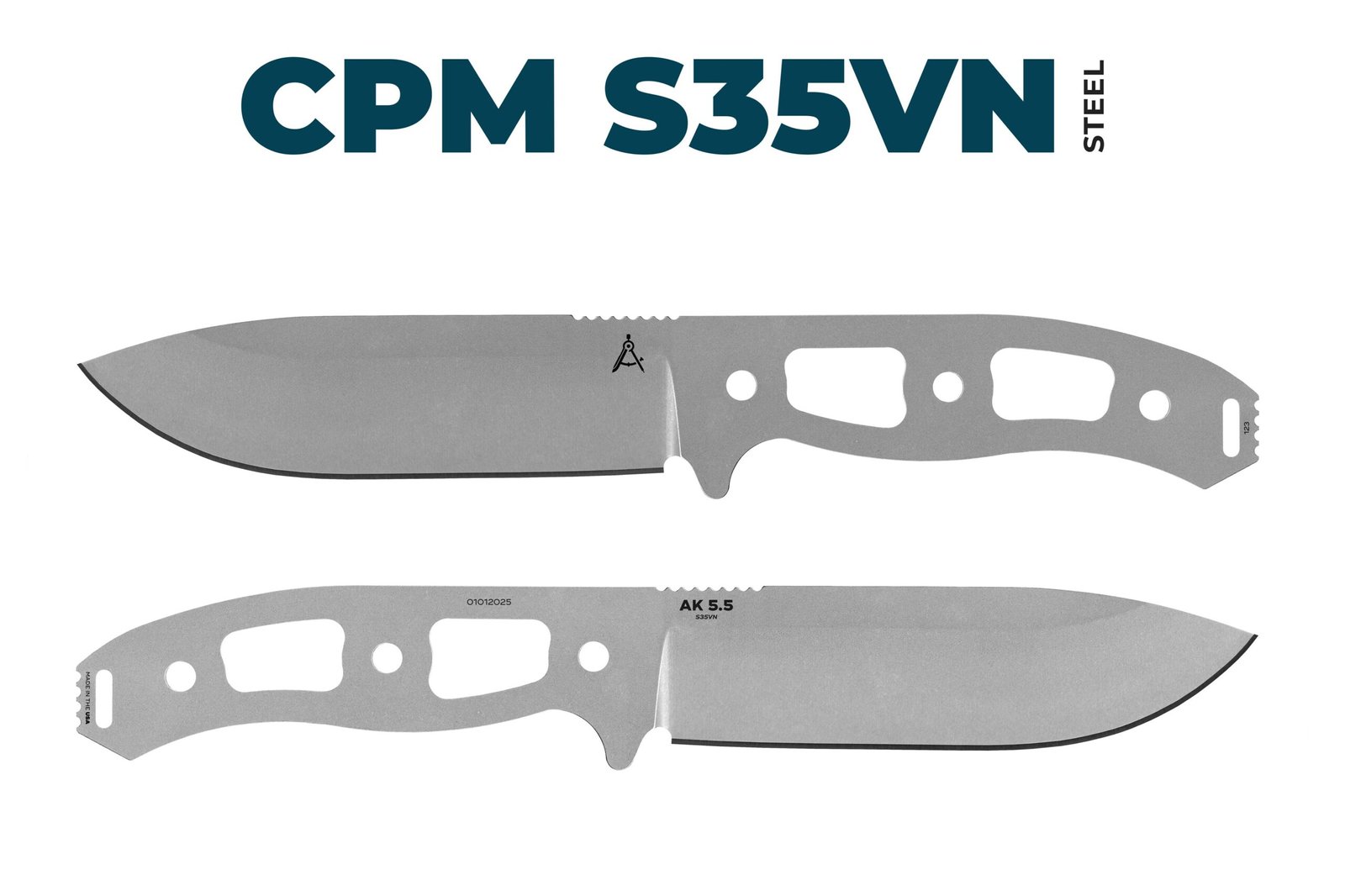
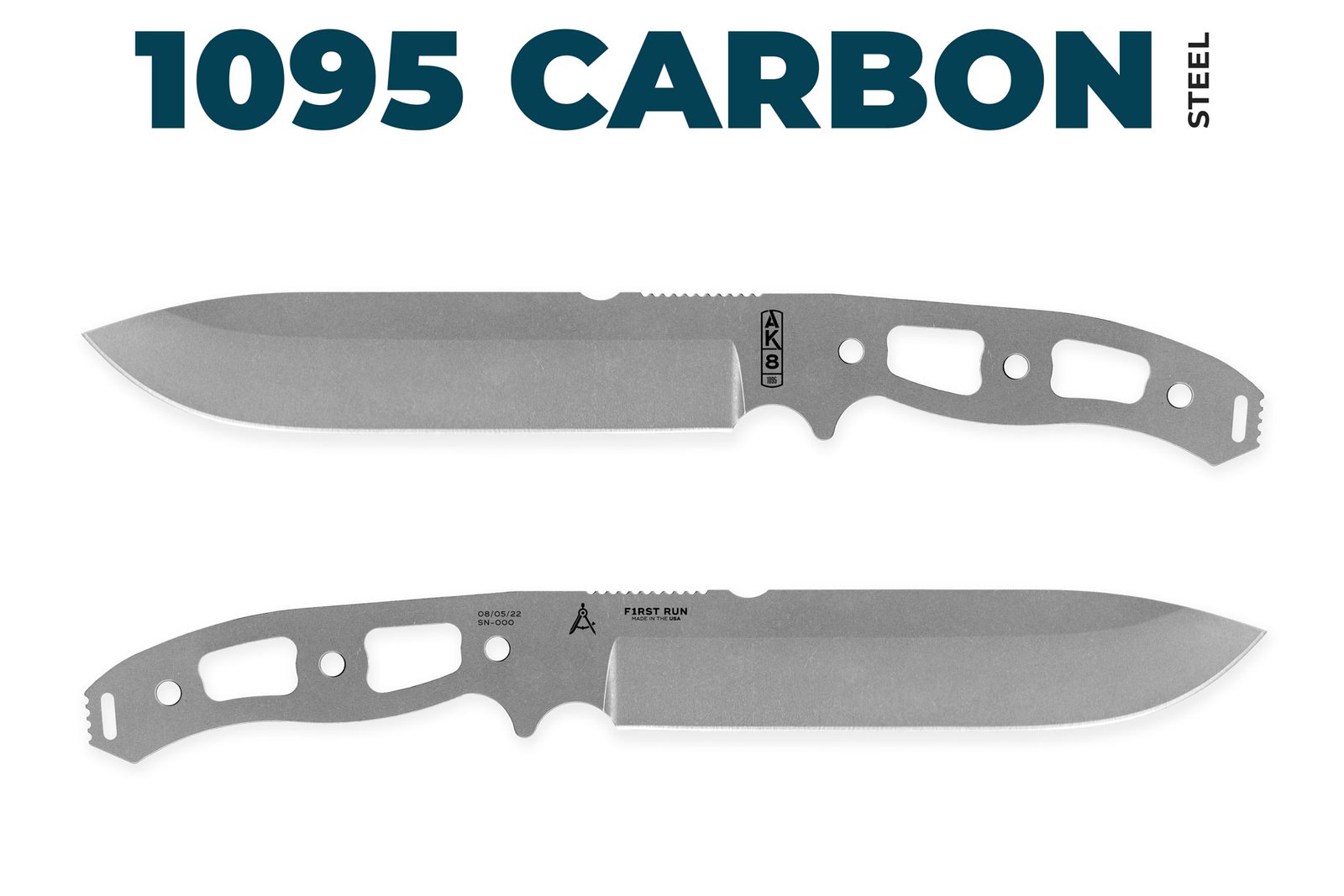
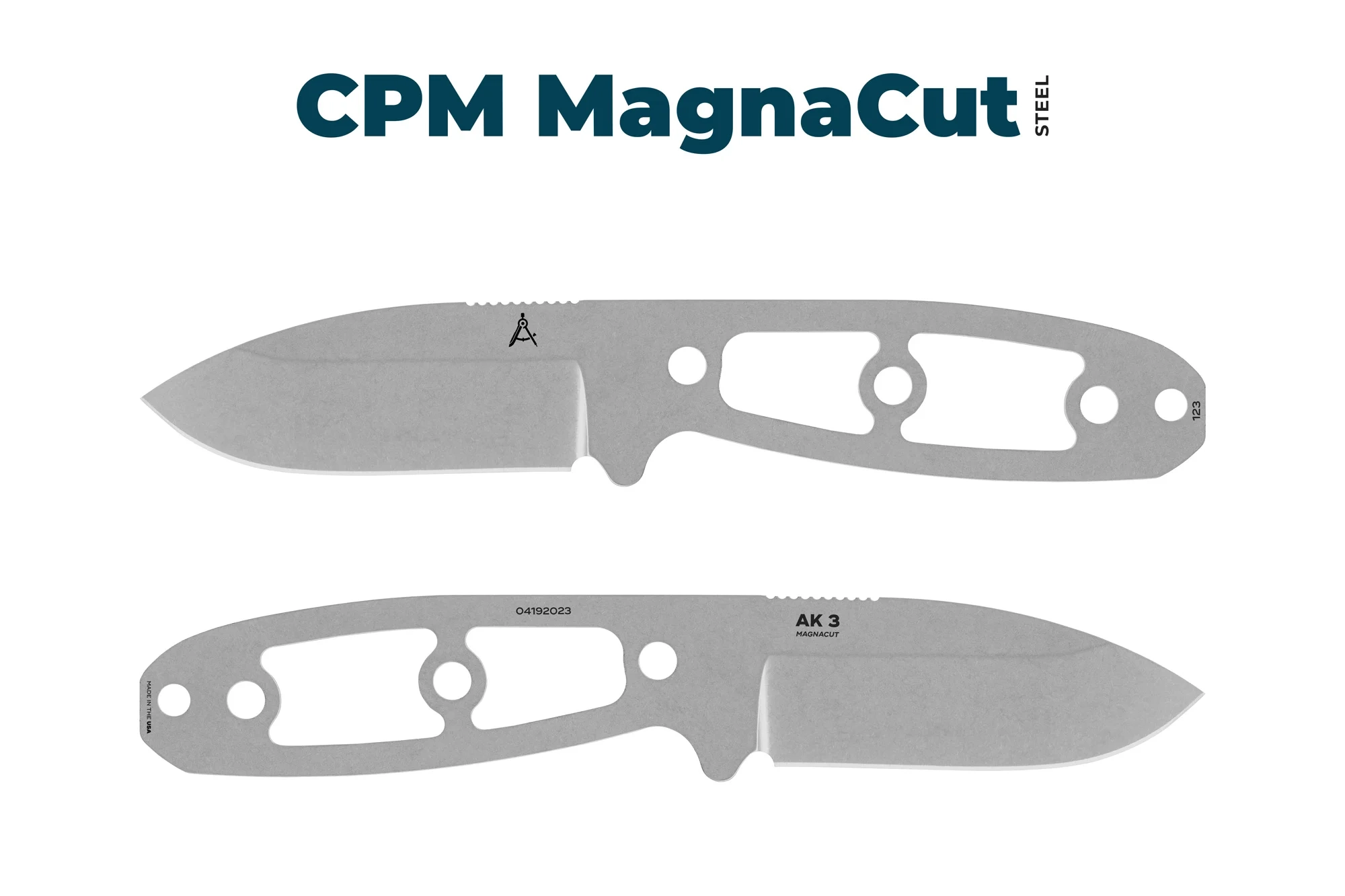
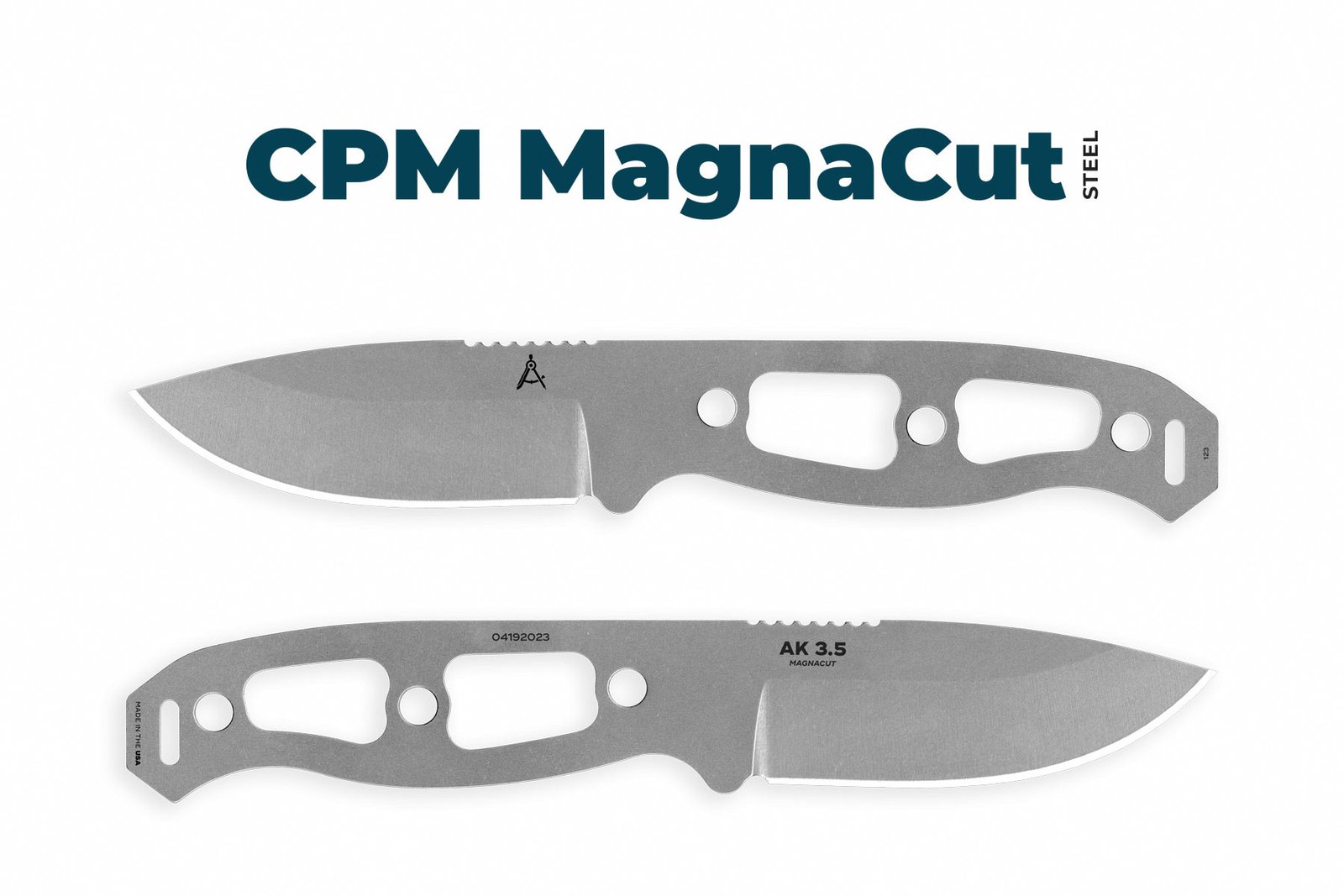
Many different types of steel are used to manufacture knife blades, including 1095 Carbon, CPM 3V, CPM S35VN, and CPM MagnaCut. Some are more resistant to rust and corrosion than others. However, you should take the same general approach to cleaning each of these blade types.
Here are the steps you must take while cleaning a blade during knife care:
- Obtain the necessary materials: Gather materials, such as mild dish soap and a soft sponge, and fill a sink with warm water. Add several drops of dish soap to it.
- Wash the blade by hand: Dip your sponge into the soapy water and wipe both sides of your knife’s blade while holding its handle.
- Rinse the blade and dry it by hand: Remove excess soap from your blade. Dry it with a towel instead of letting it air dry. Otherwise, you might let moisture linger, potentially allowing rust and corrosion to form.
- Add oil to the blade: Experts suggest oiling a blade twice each year as part of a knife maintenance plan.
You should not, under any circumstances, put a custom knife into a dishwasher. Exposing it to harsh detergents and high temperatures could dull or damage its blade.
If your blade is already rusting, you might need more than just dish soap and water to remove the rust. Mix baking soda and water to eliminate rust, or use a combination of white vinegar, lemon juice, and salt to remove stubborn stains.
Cleaning G10 Handles
The blade isn’t the only part of a knife you should clean while practicing knife care. Focus on cleaning its handle, too, to stop dirt and other debris from impacting its appearance and performance.
If your knife has a G10 handle, this is how to clean it:
- Wipe away dirt and other debris from the handle.
- Dip a non-abrasive sponge into a mixture of dish soap and warm water, and gently scrub the handle. Do the same thing with a toothbrush if you spot debris in difficult-to-reach places.
- Rinse the handle and pat it dry with a towel.
Some knife owners swear by using products like melamine-based resins, gun oil, and even brake cleaner on their G10 handles during knife maintenance. While you can experiment to see what works best, never clean G10 handles with abrasive cleaners or harsh chemicals.
Cleaning Micarta Handles
If your knife has a Micarta handle, you can use the same process to clean it as you would while cleaning a G10 handle. Most Micarta handles respond well to mild dish soap and warm water and can be cleaned with a soft sponge, followed by a rinse and hand-drying.
One thing to remember is that Micarta handles aren’t always as durable as G10 handles, so keeping abrasive cleaners and harsh chemicals away from them while carrying out knife maintenance is critical.

Maintenance
Cleaning a knife is one of the key components of knife care, but you should also maintain it in other ways. For example, you should occasionally inspect a knife for signs of wear and tear, oil its various parts, and sharpen its blade.
Sharpening
If you don’t feel comfortable sharpening your knife’s blade, take it to a professional. You also have the option to sharpen your blade at home with a special knife-sharpening stone.
These are the steps associated with sharpening a knife’s dull blade:
- Submerge a knife-sharpening stone in water.
- Color a knife blade’s bevel with a permanent marker.
- Find the correct angle for sharpening the blade.
- Run the blade over the stone until you raise burrs on each side.
- Refine the blade by running it over the stone 10 to 20 more times.
- Test the blade’s sharpness by slicing a piece of paper.
After getting the hang of it, you should be able to sharpen your knife quickly out in the field in a matter of minutes.
Do’s and Don’ts of Sharpening Knives
Those planning to sharpen knives themselves during knife maintenance should commit the following do’s and don’ts to memory:
- Do: Practice with a knife-sharpening stone before using it for real.
- Don’t: Rush through the process the first time you try to sharpen a blade.
- Do: Maintain a consistent angle while sharpening a blade.
- Don’t: Sharpen a blade on a hard surface that could damage it.
- Do: Attempt to sharpen a knife after each use.
- Don’t: Use a power grinding wheel not designed to sharpen blades.
Storing Your Knives
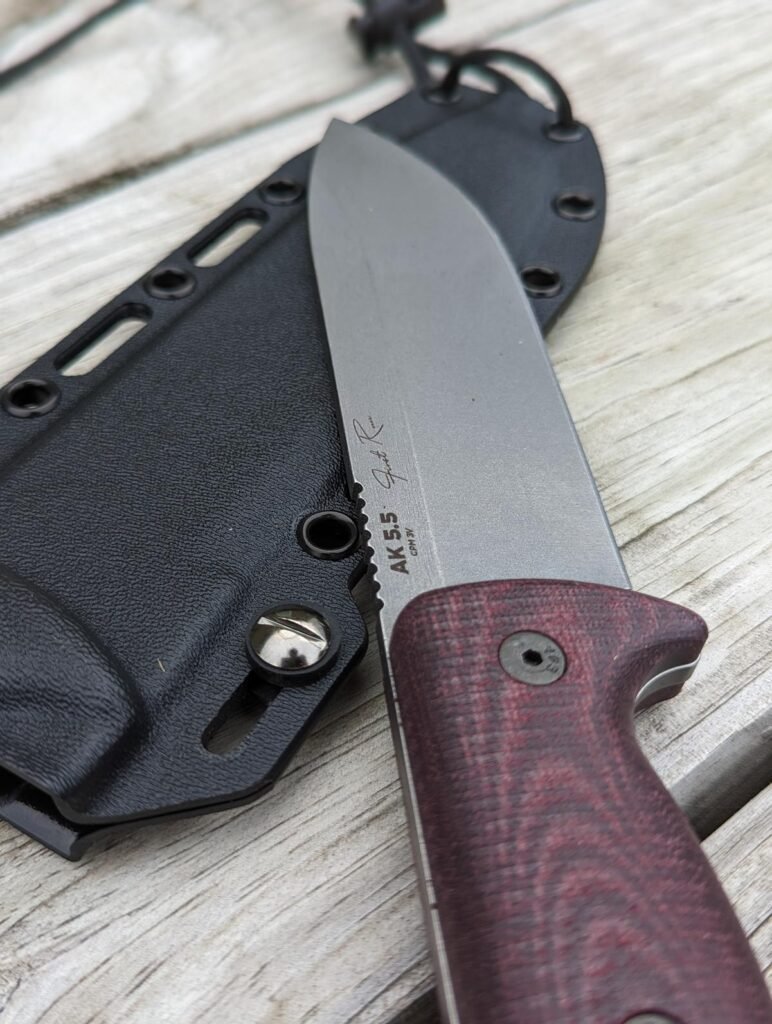
As long as you dedicate yourself to knife maintenance and care, you should keep your knife in fantastic shape for the foreseeable future. Still, you shouldn’t underestimate the importance of choosing the proper knife storage options.
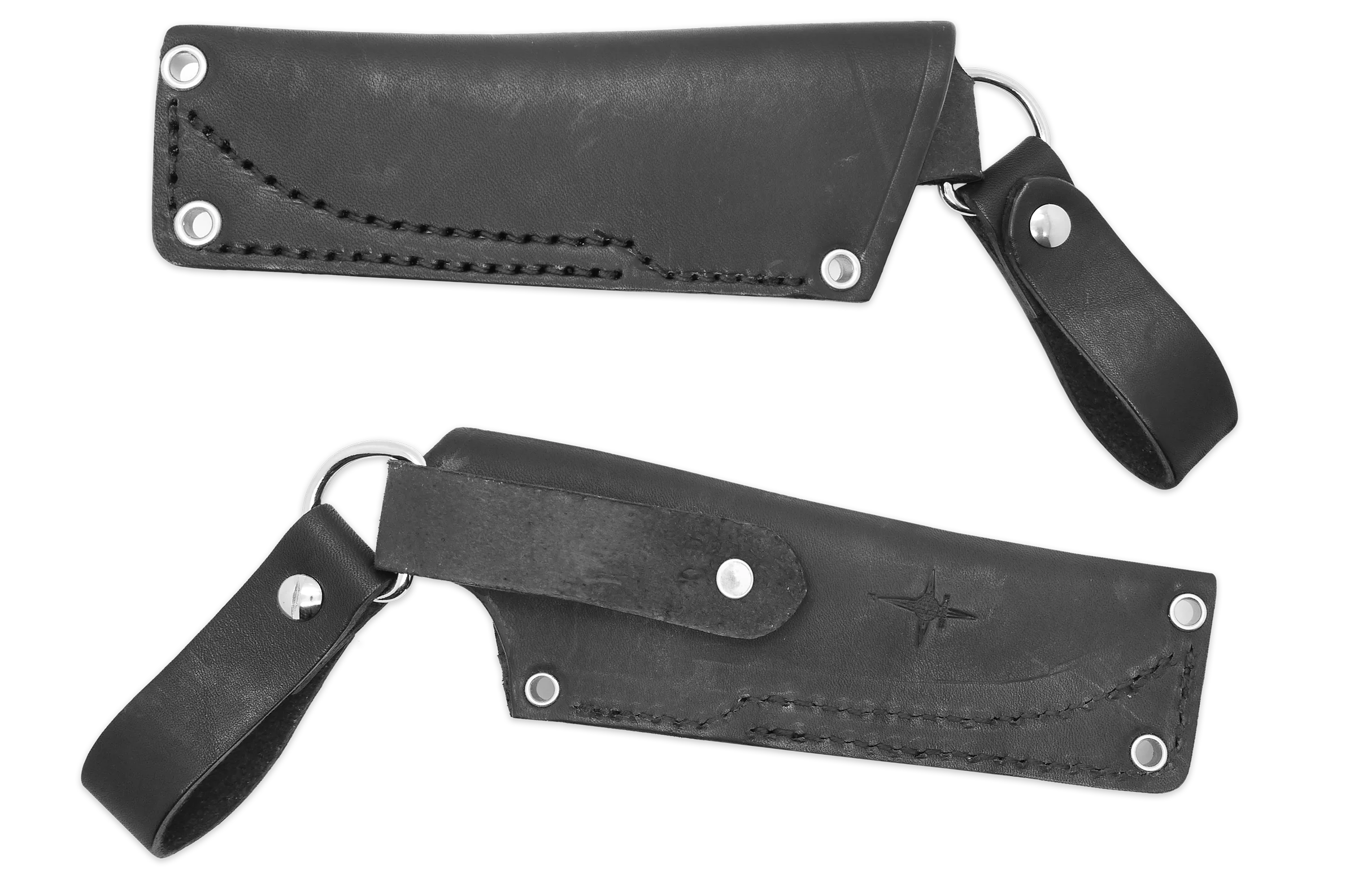
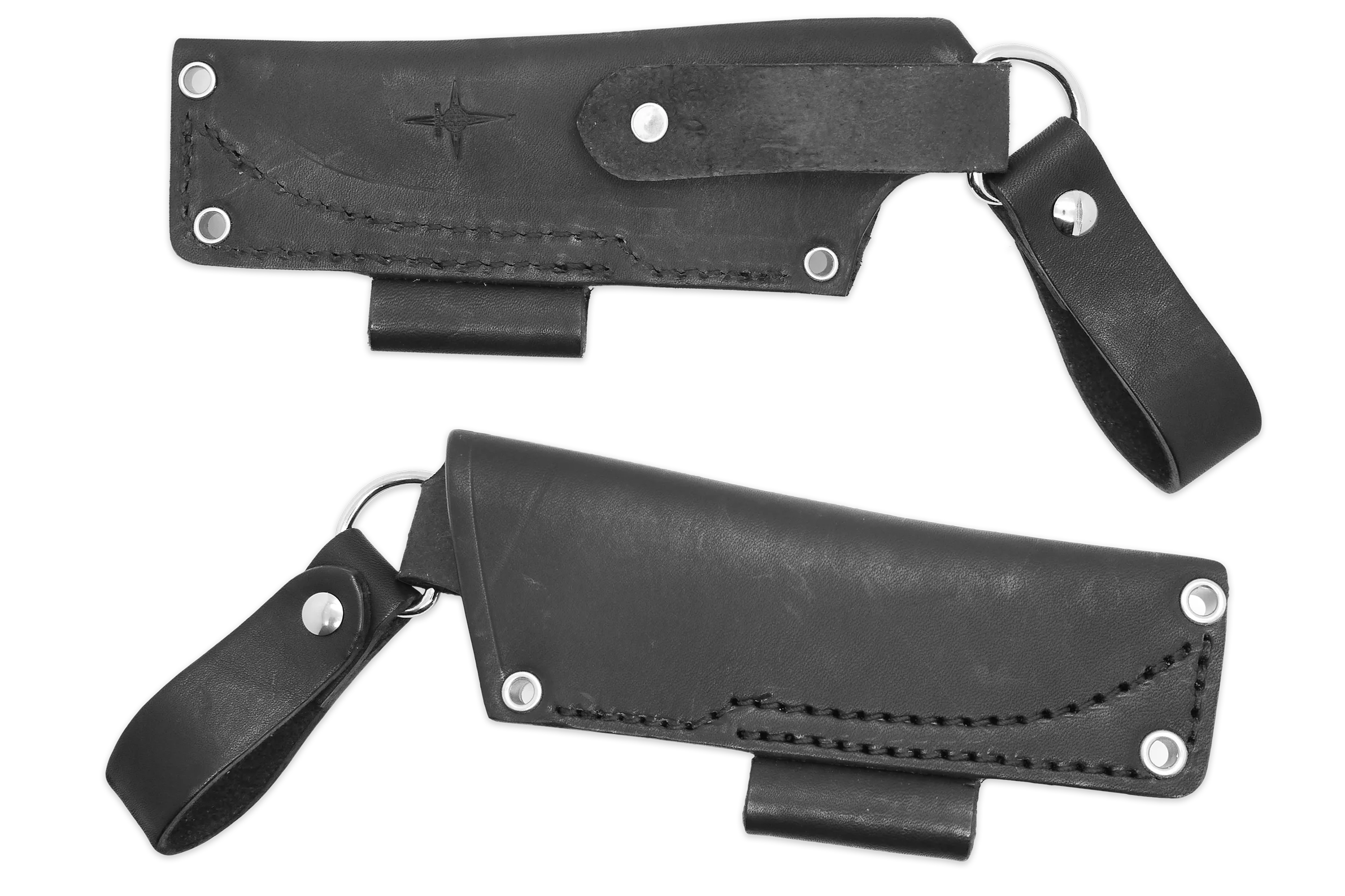
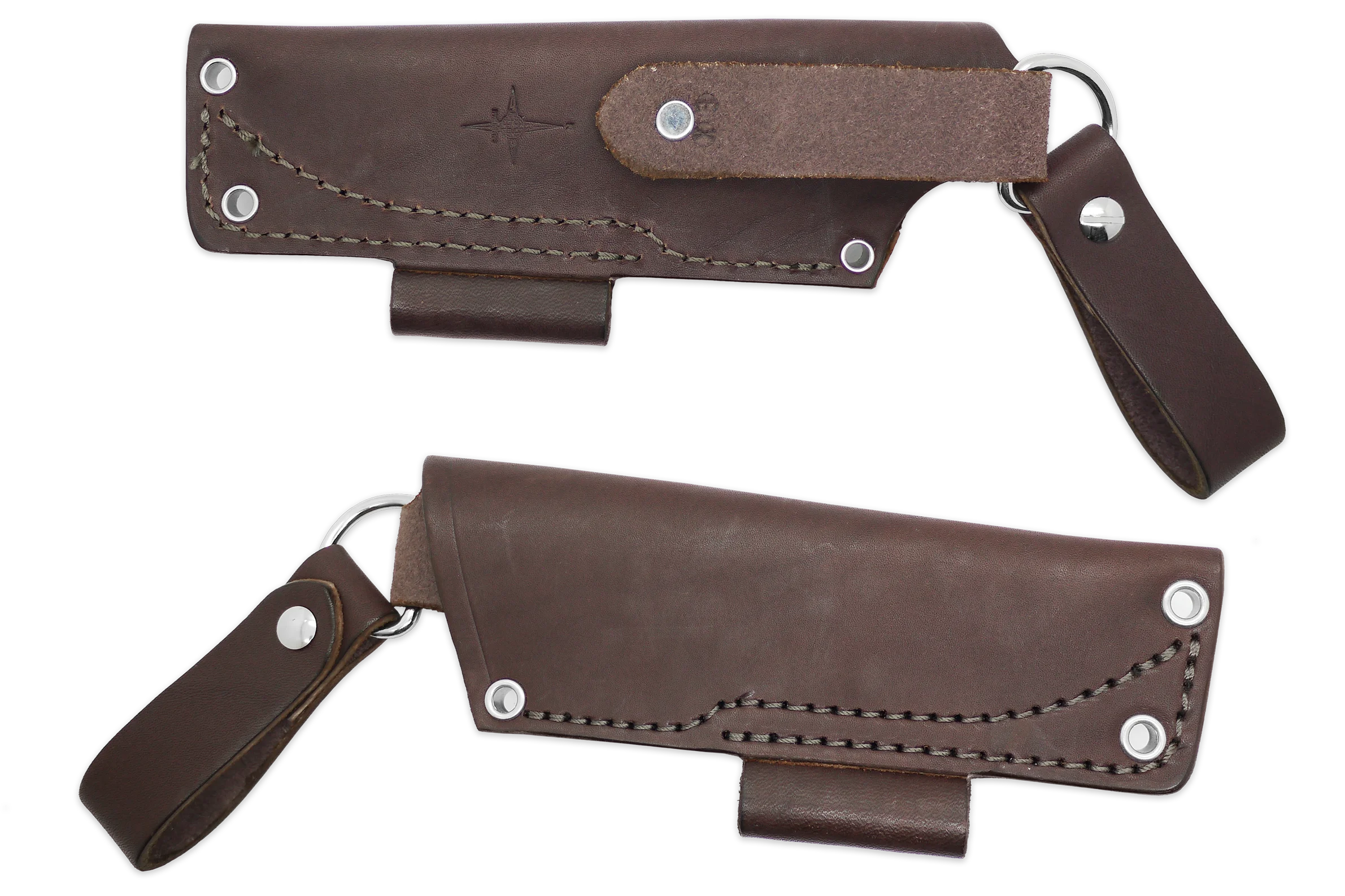
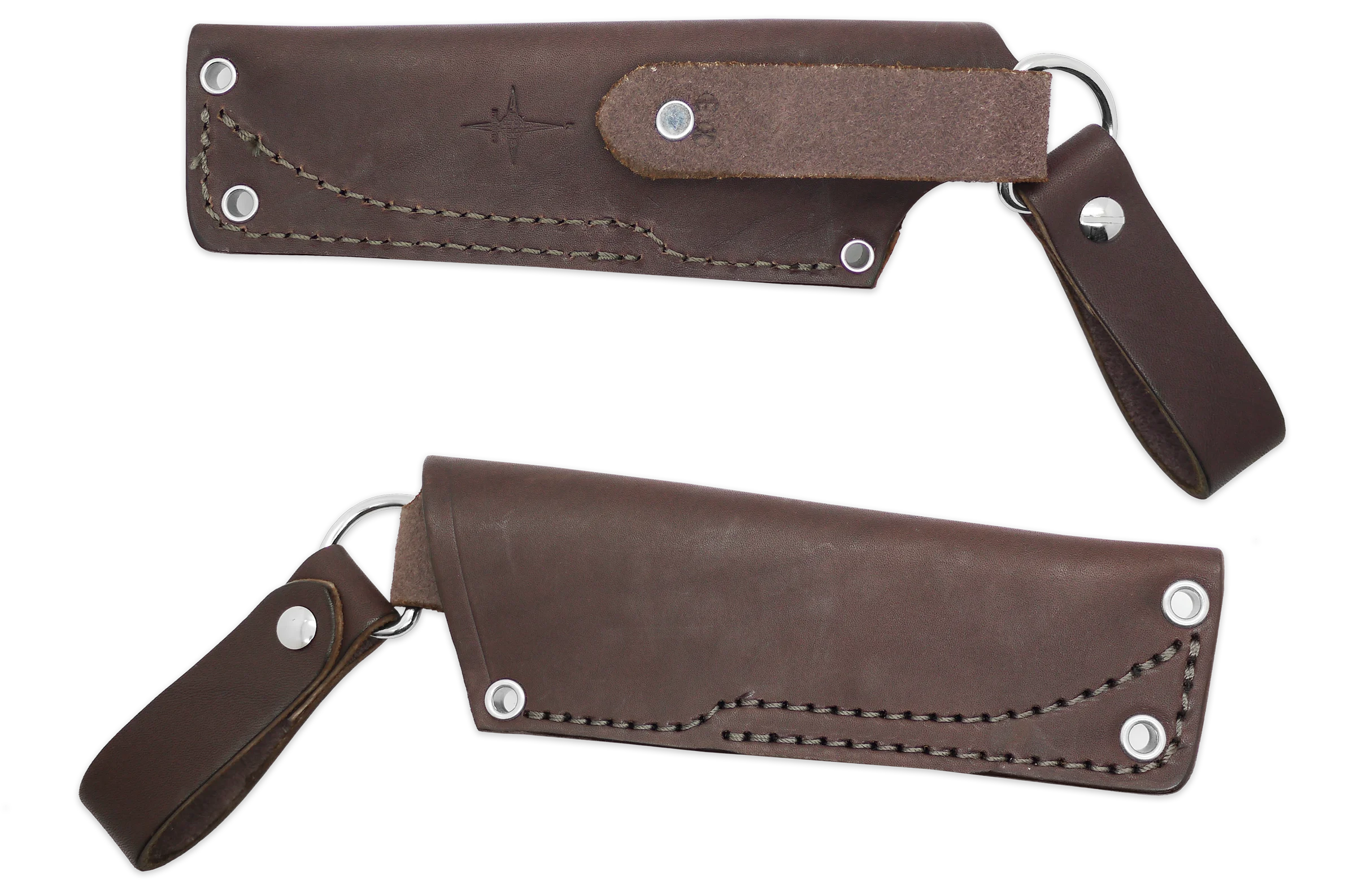
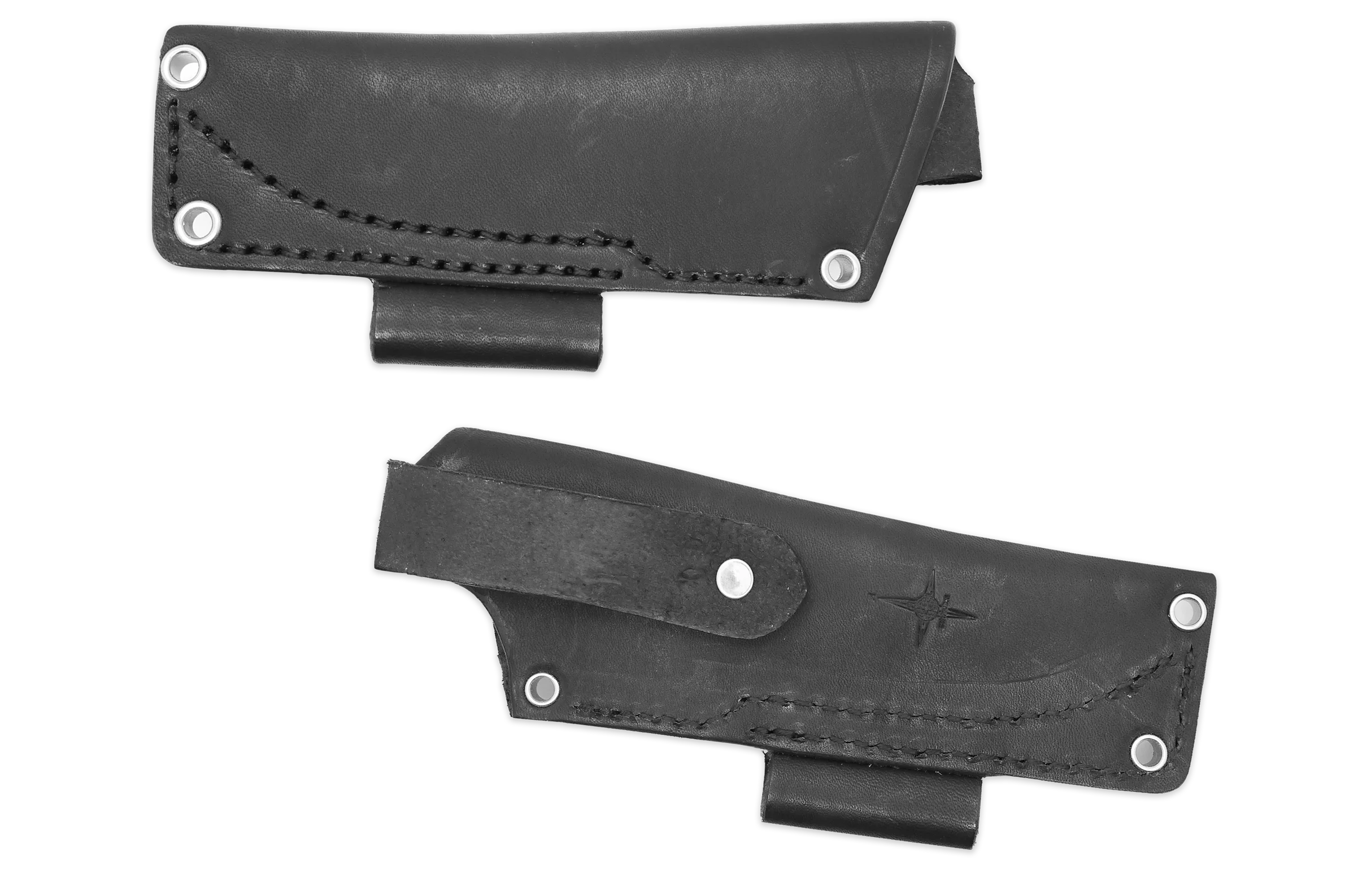
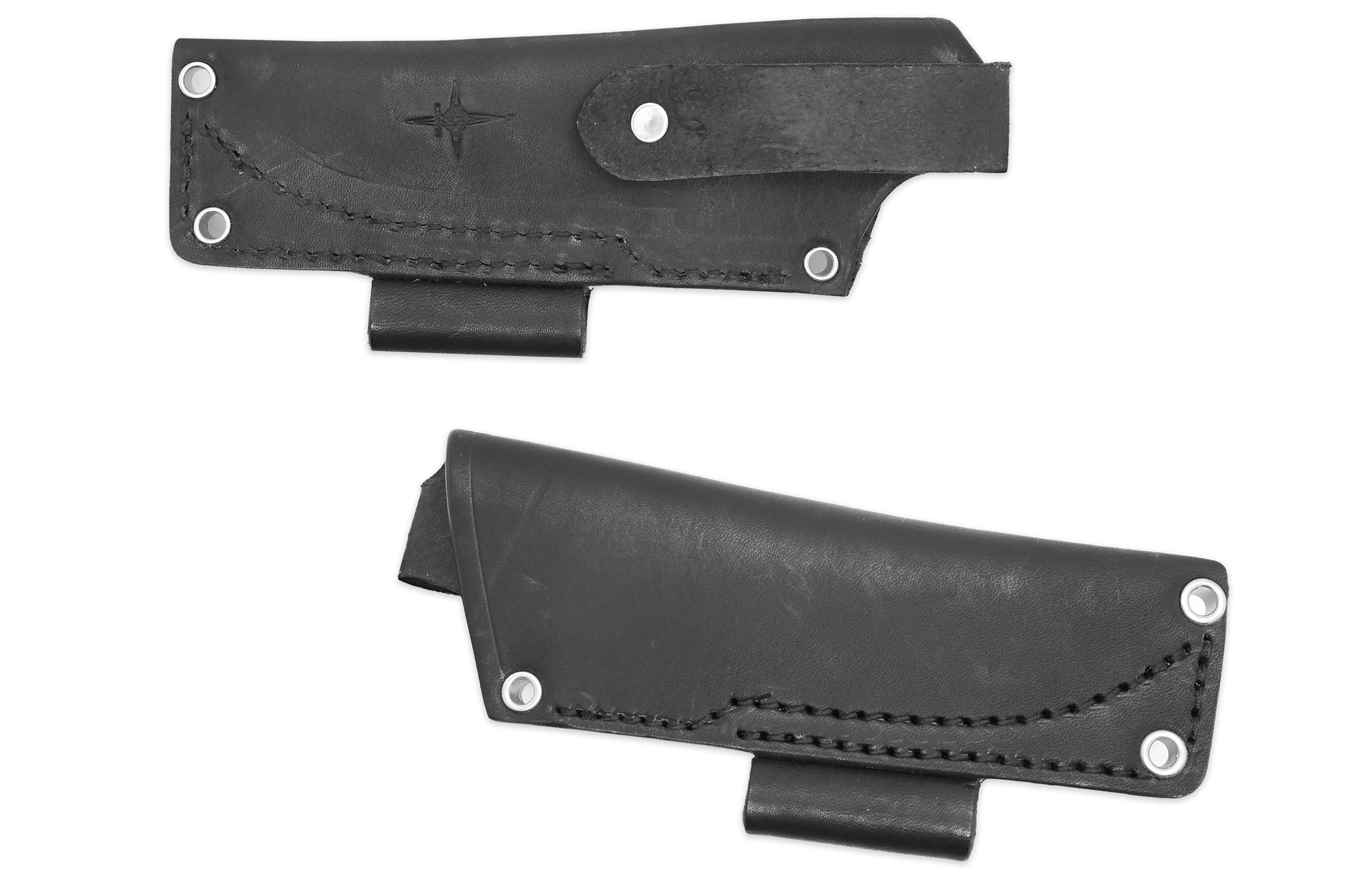
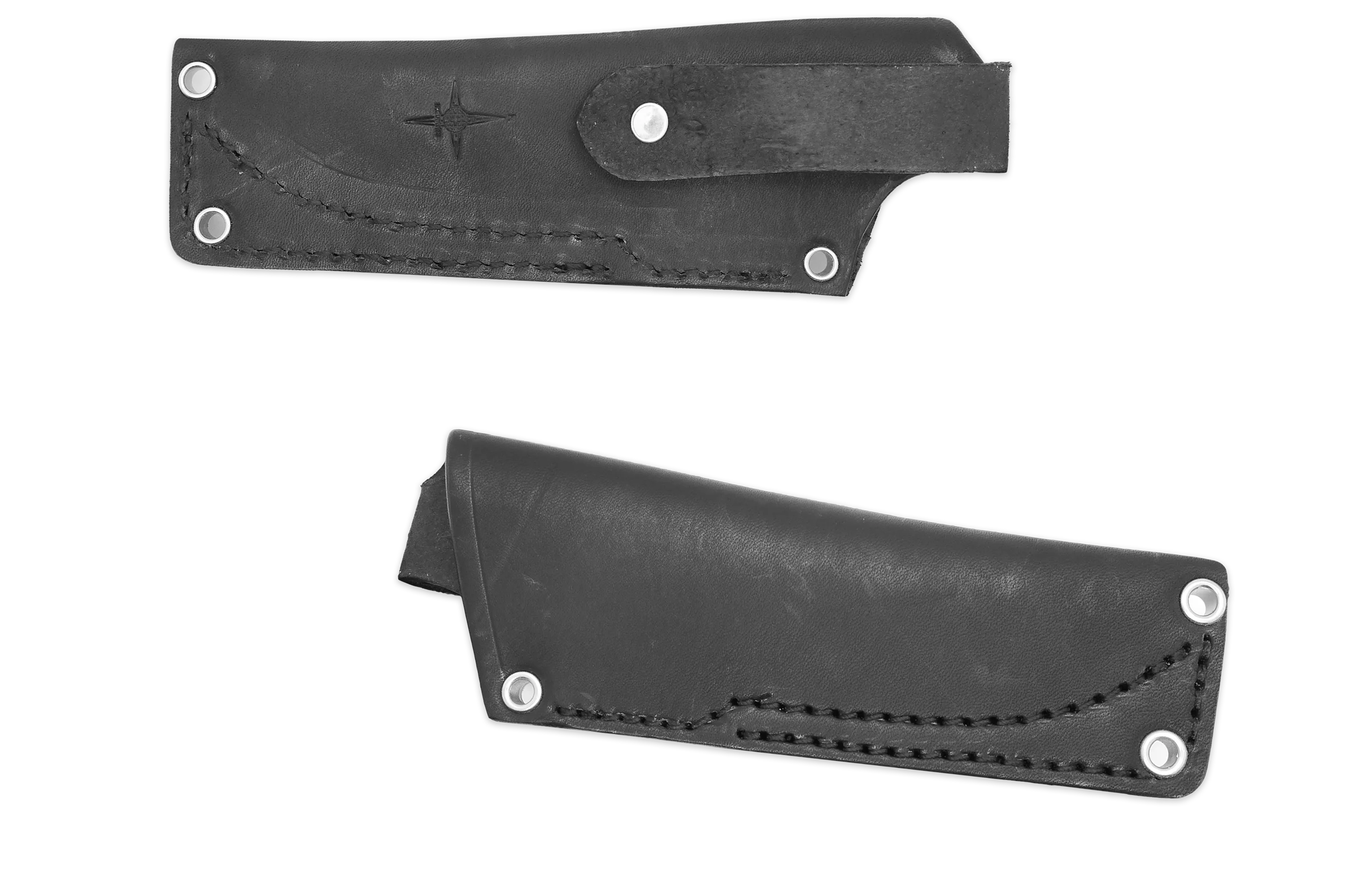
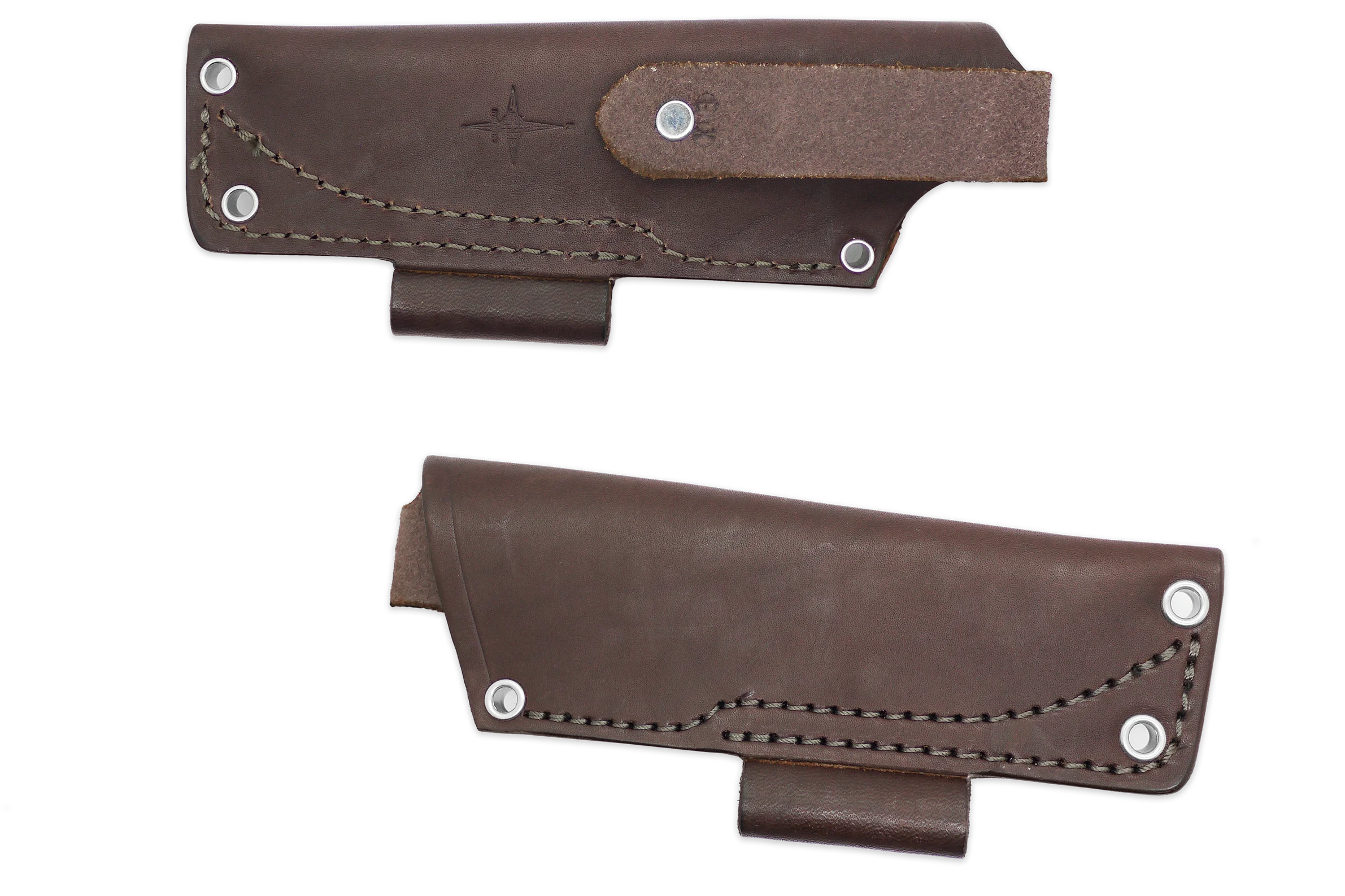
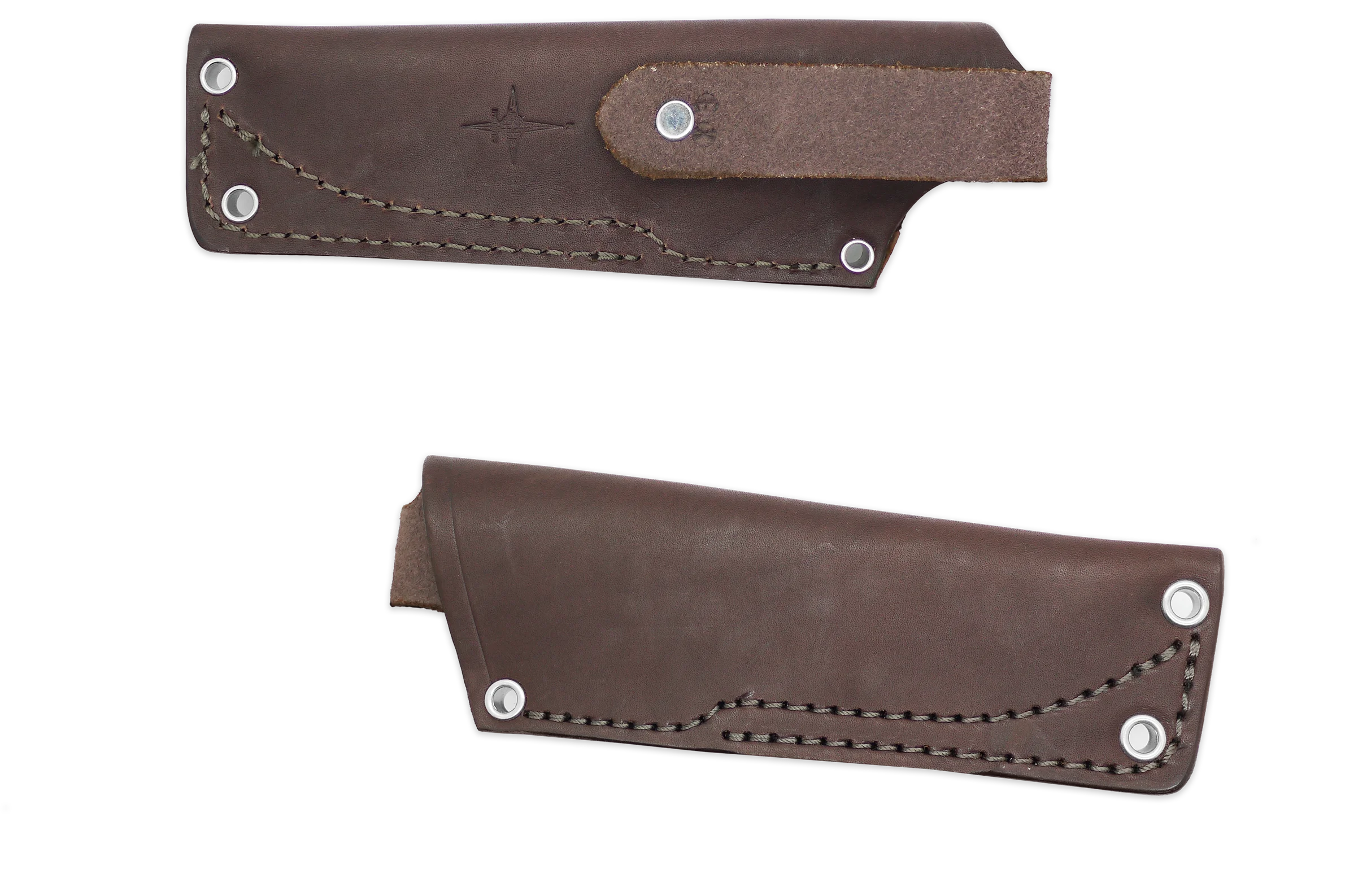
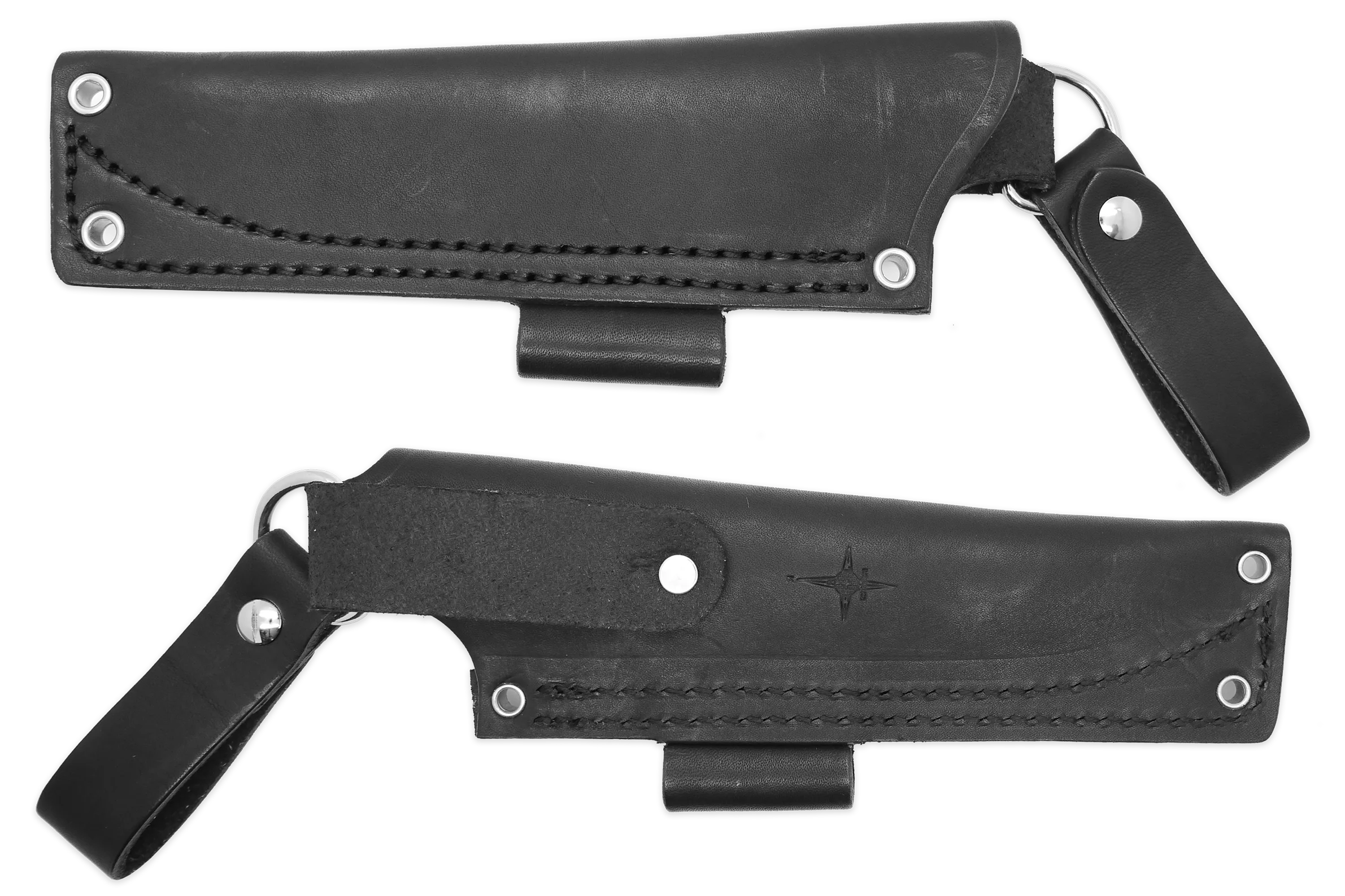
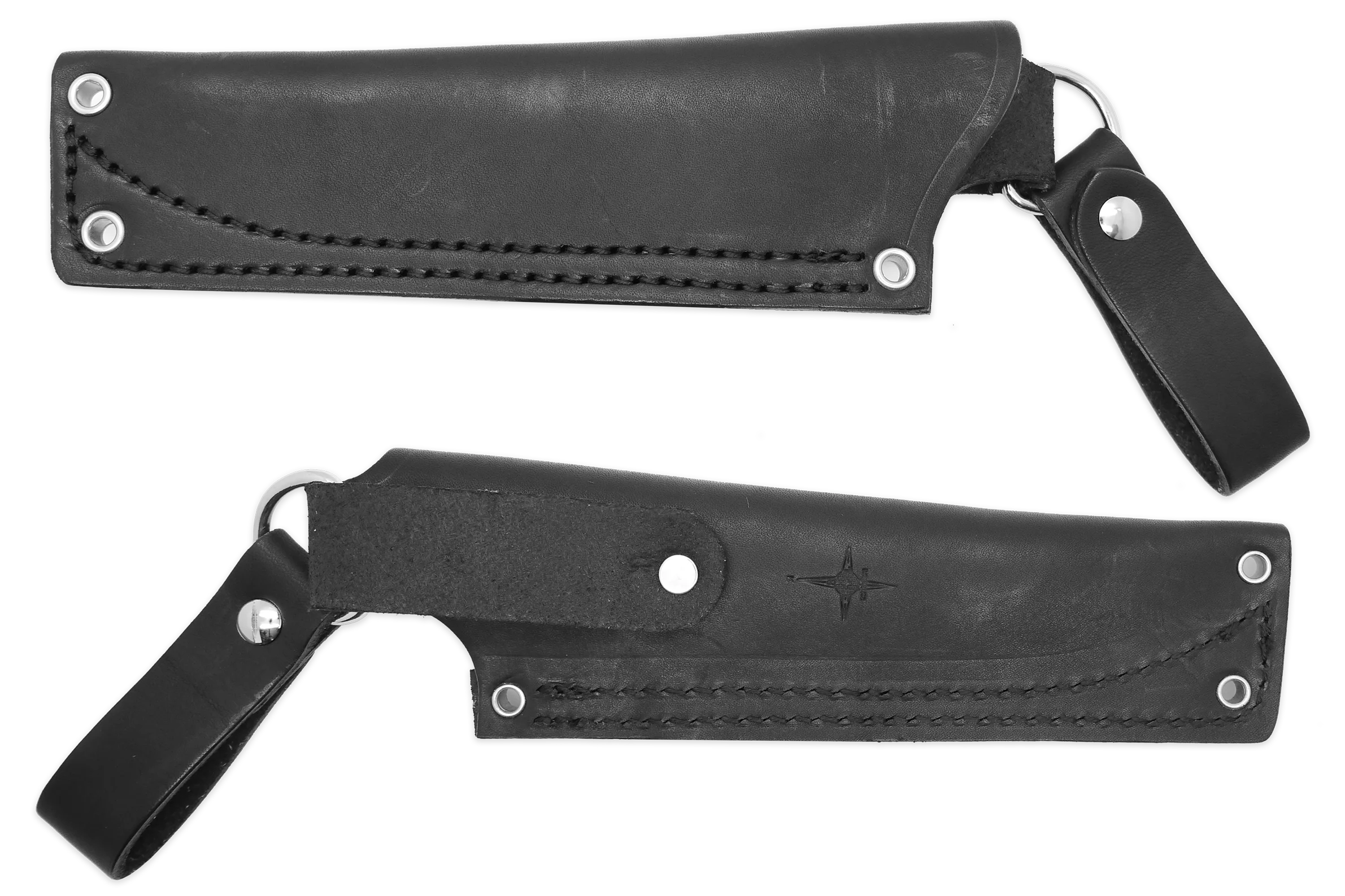
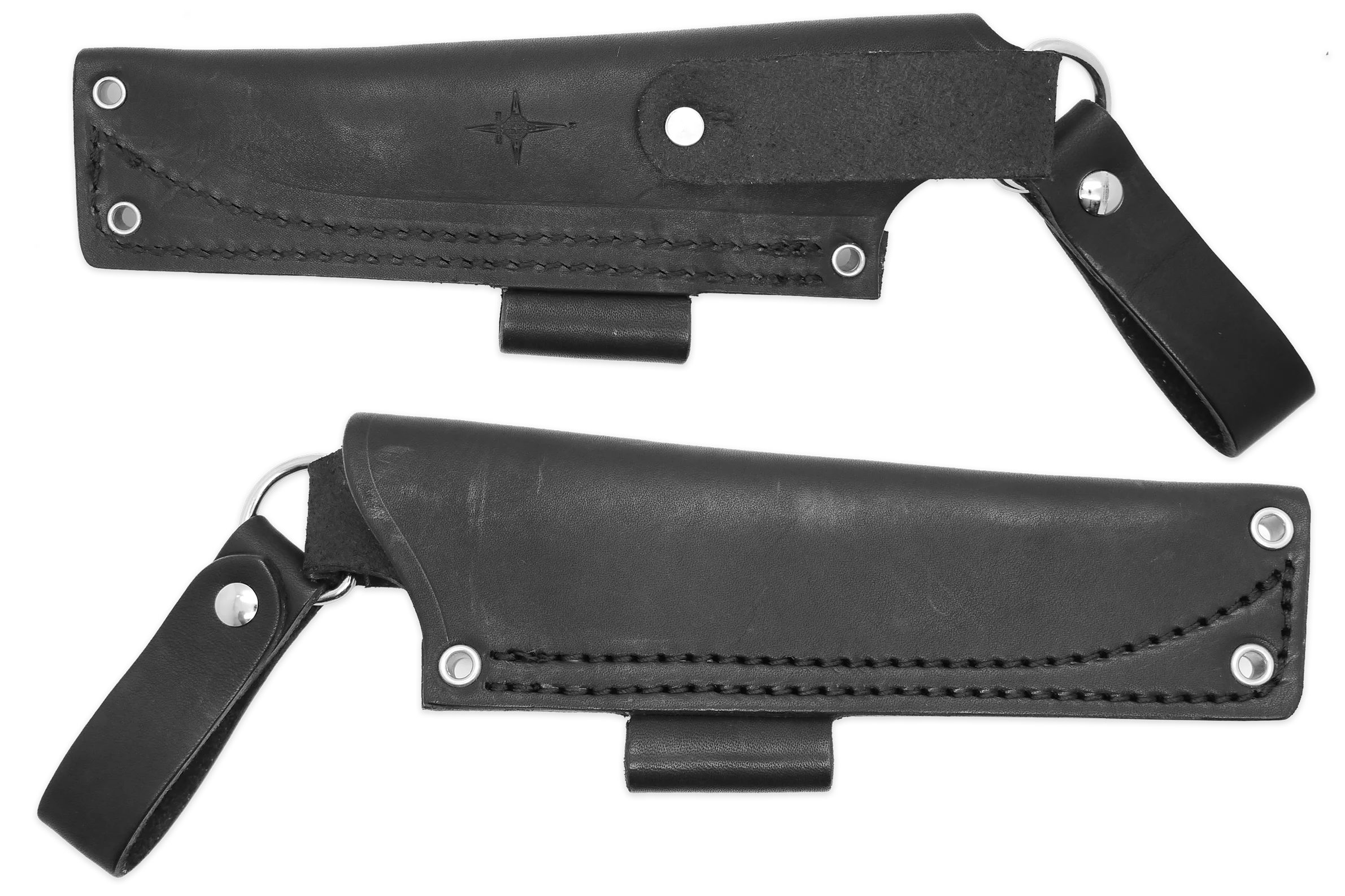
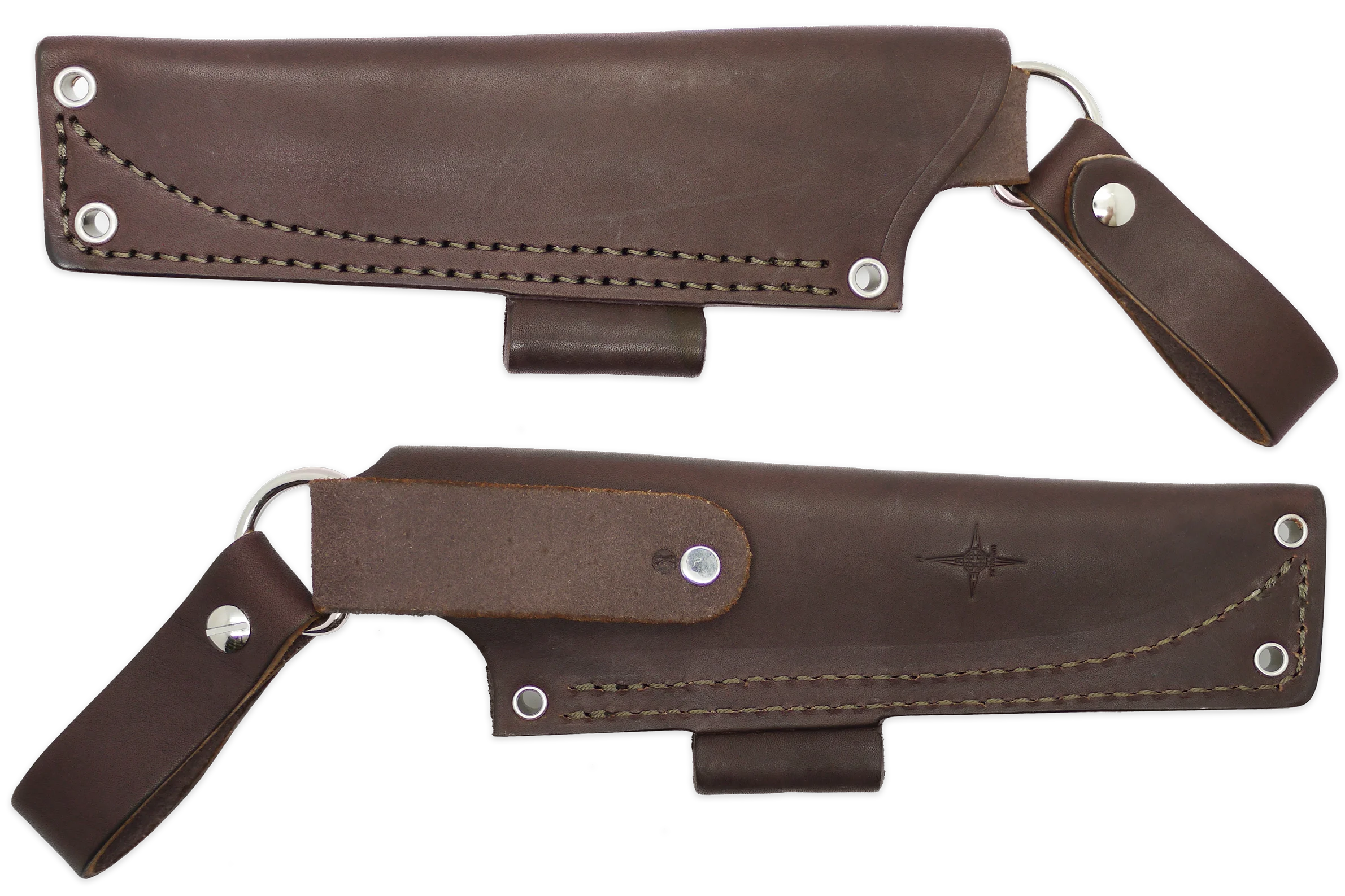
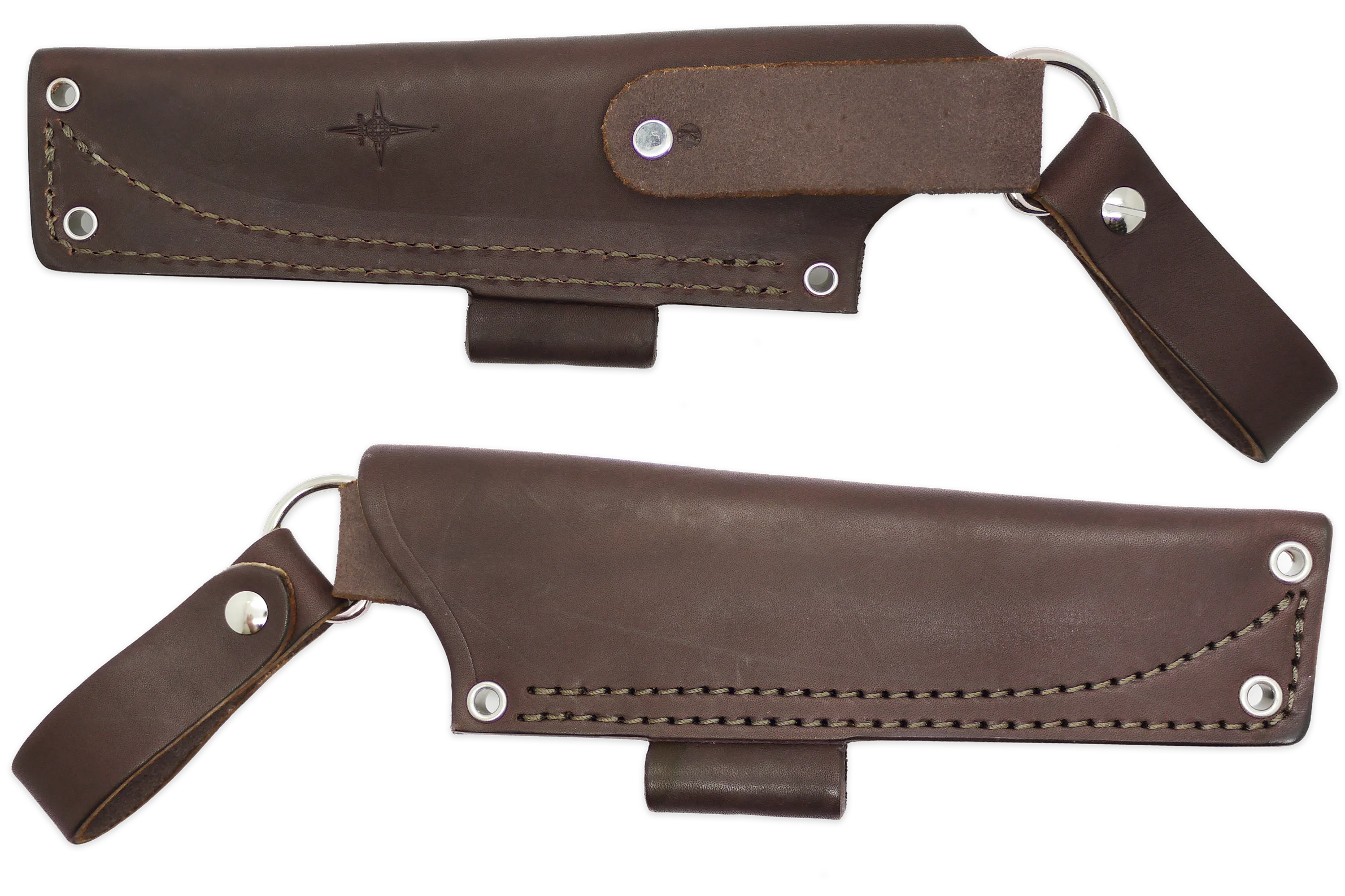
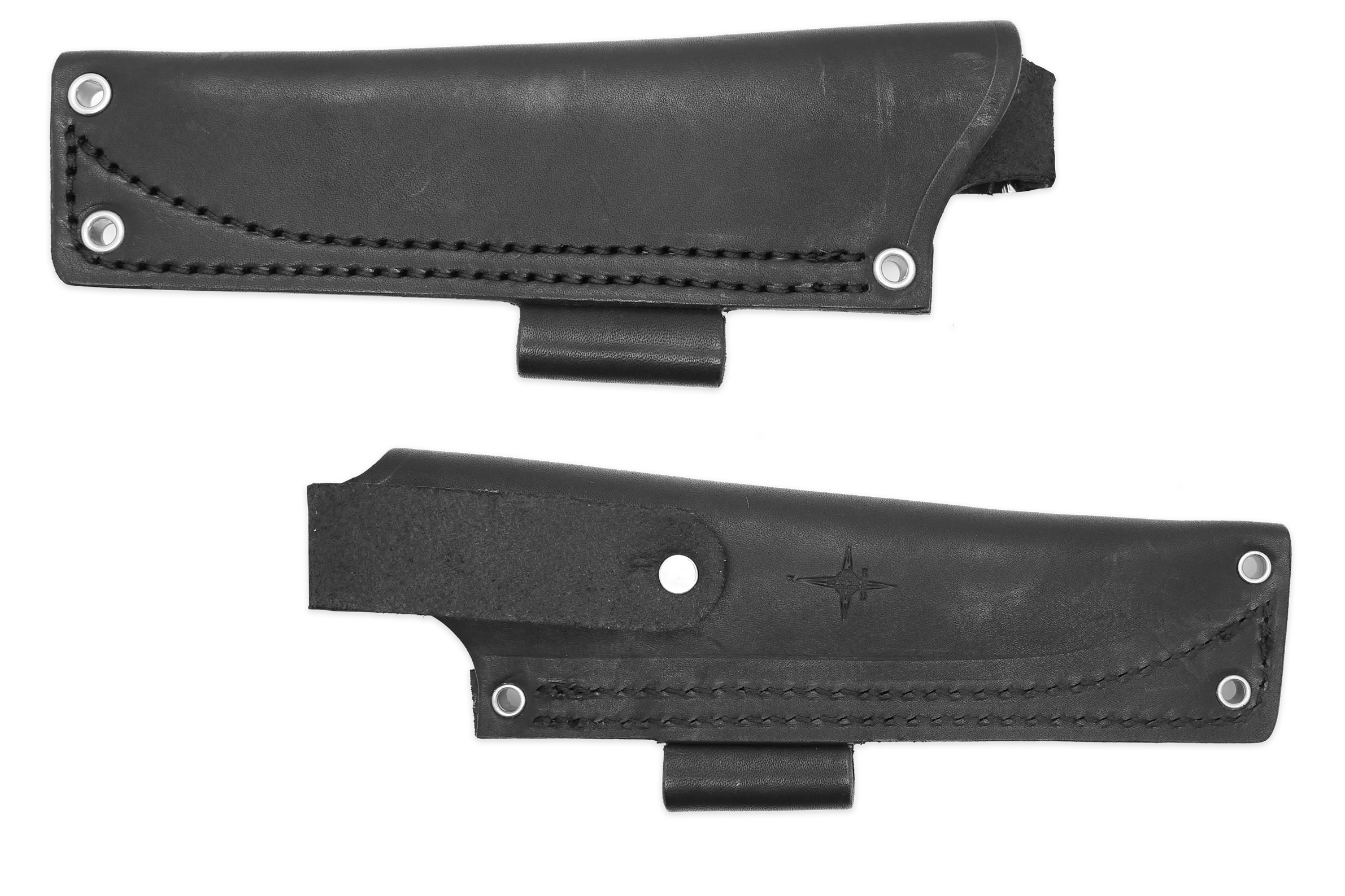
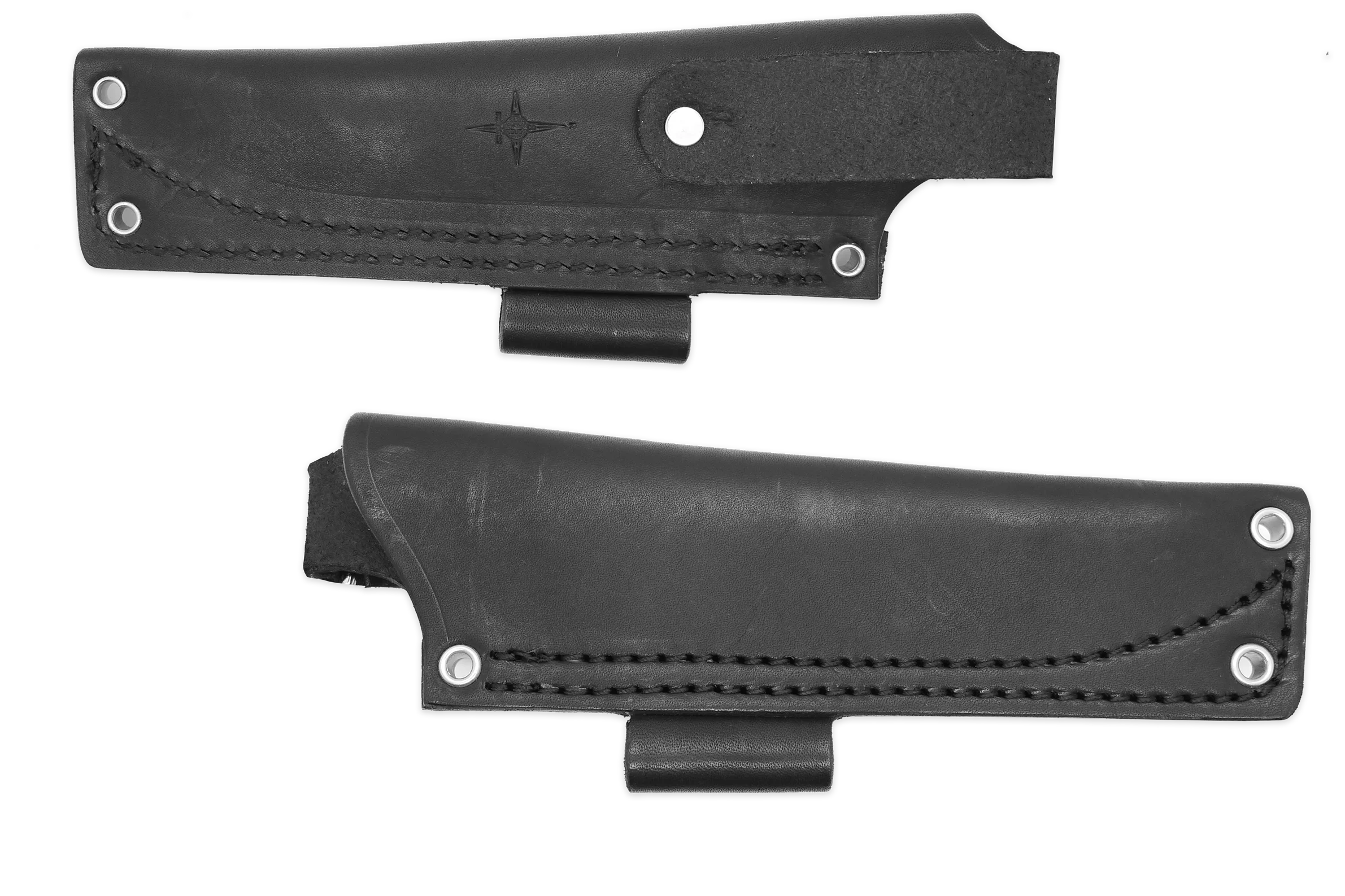
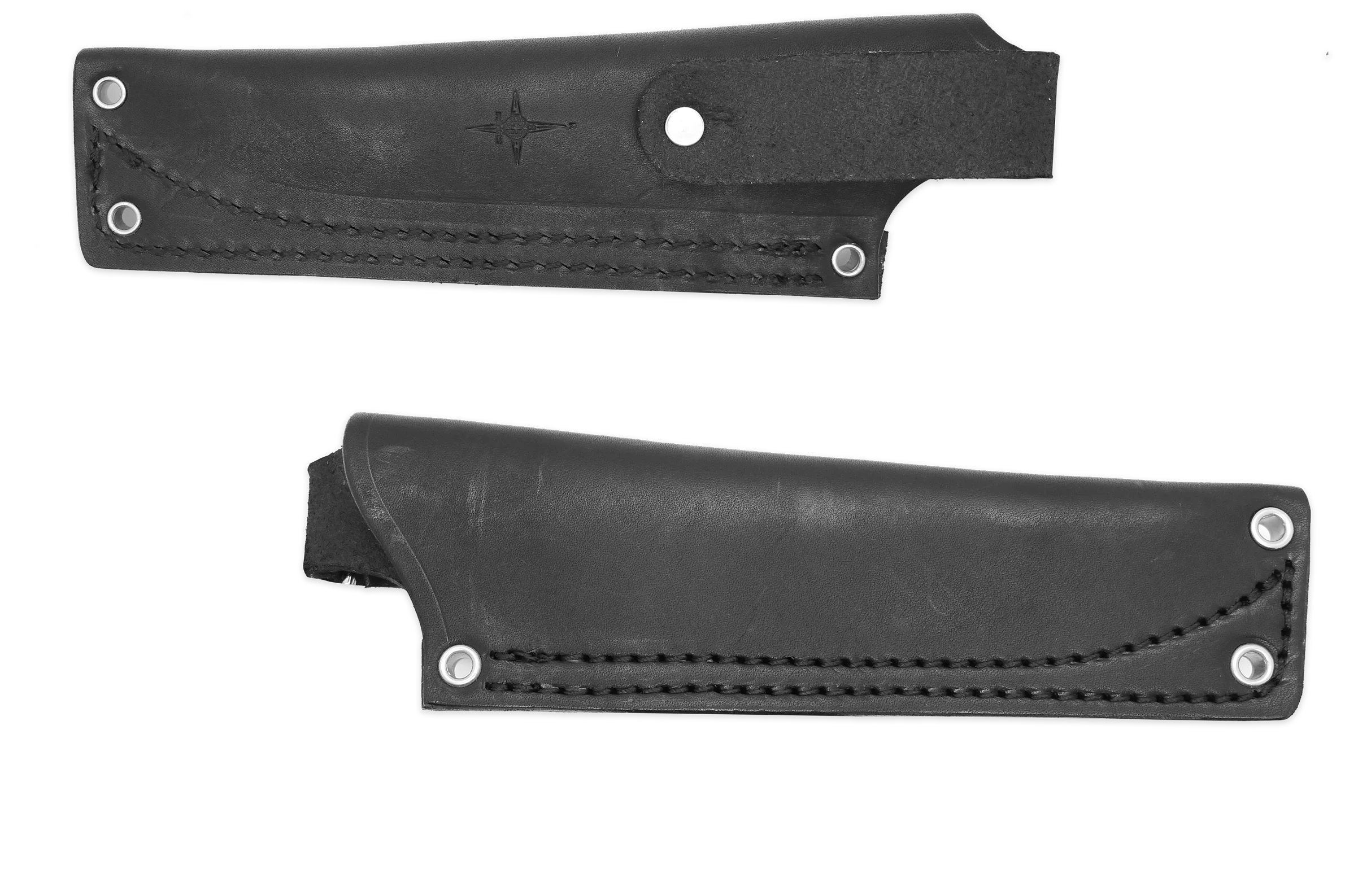
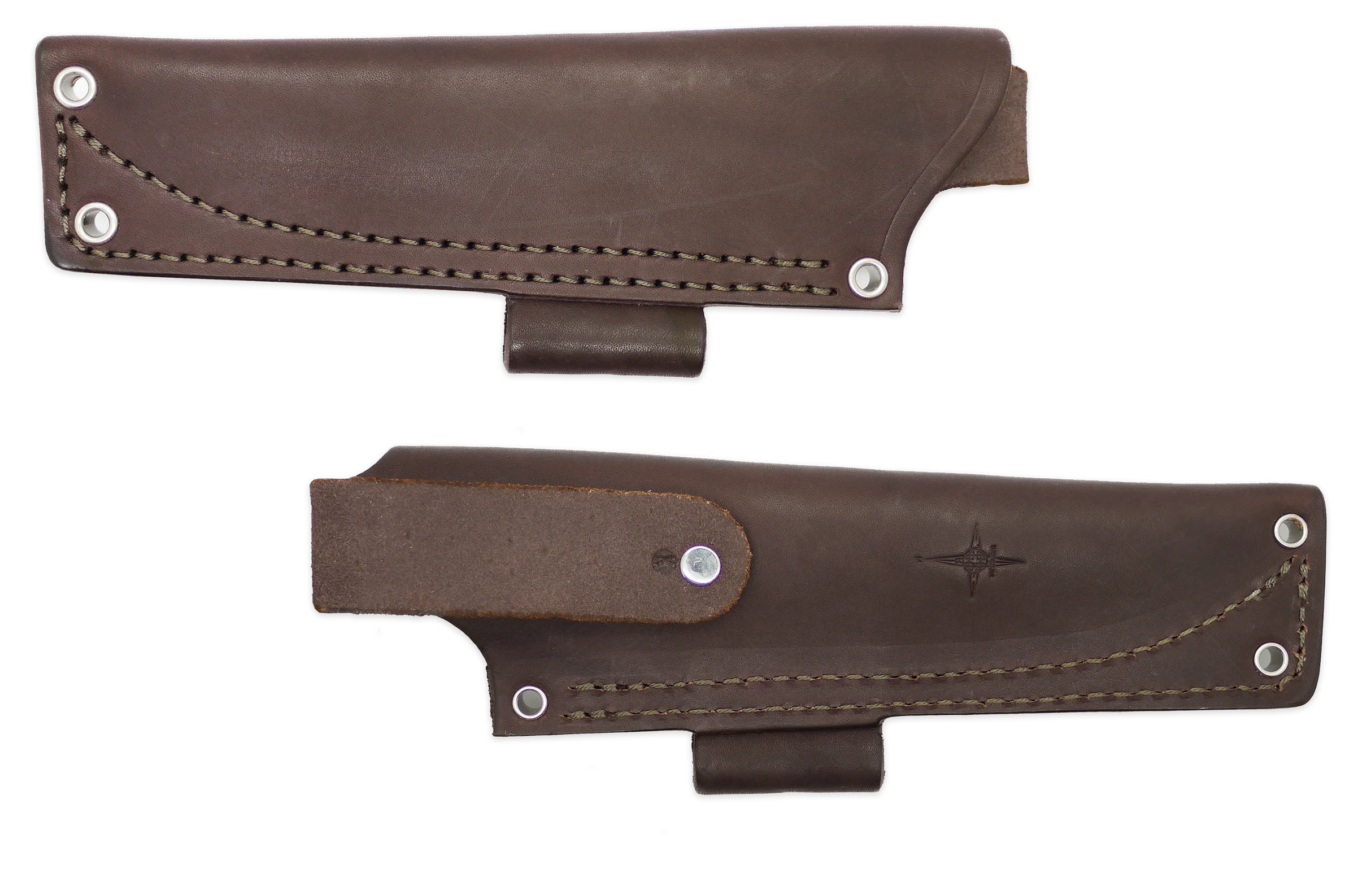
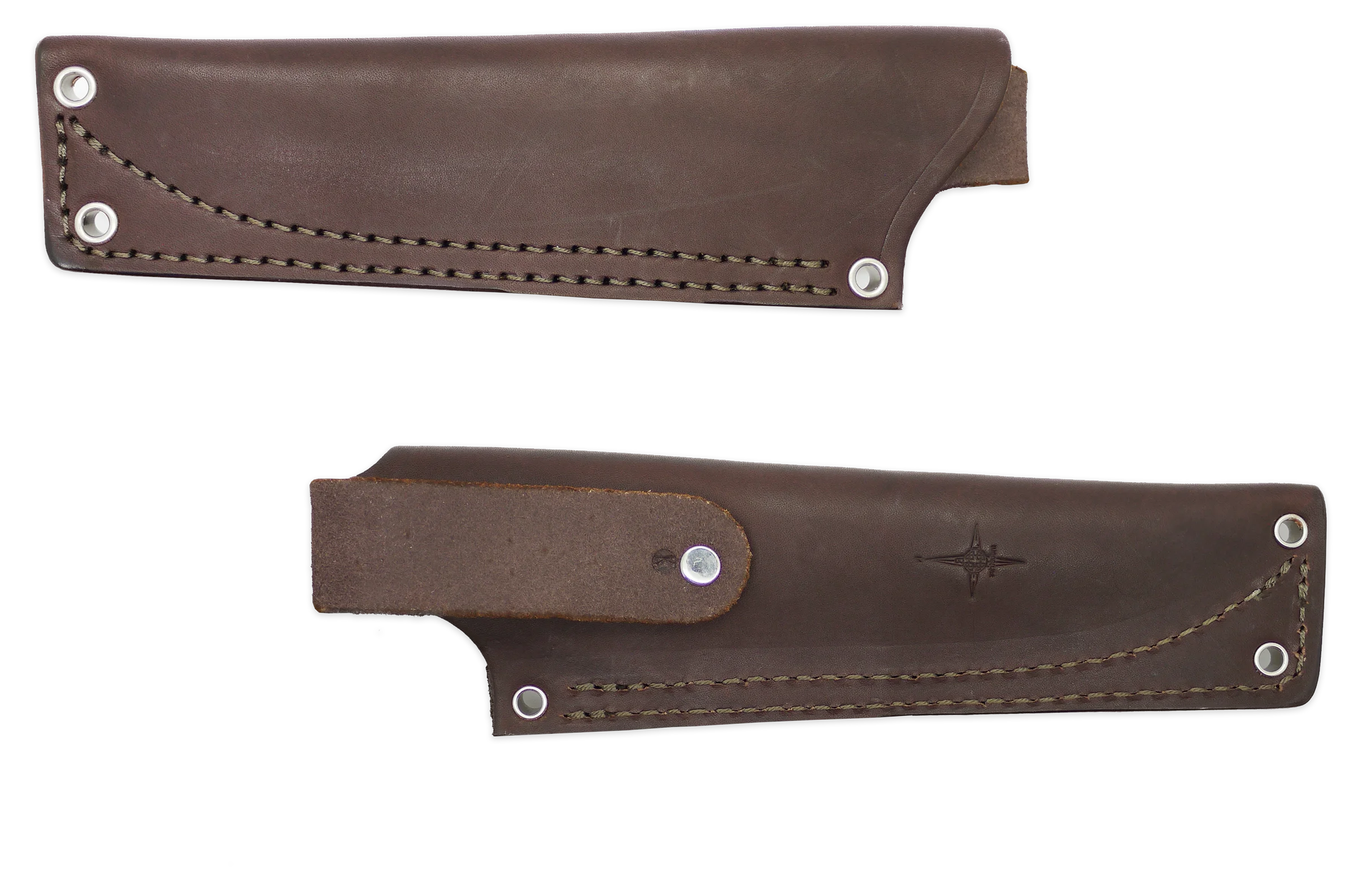
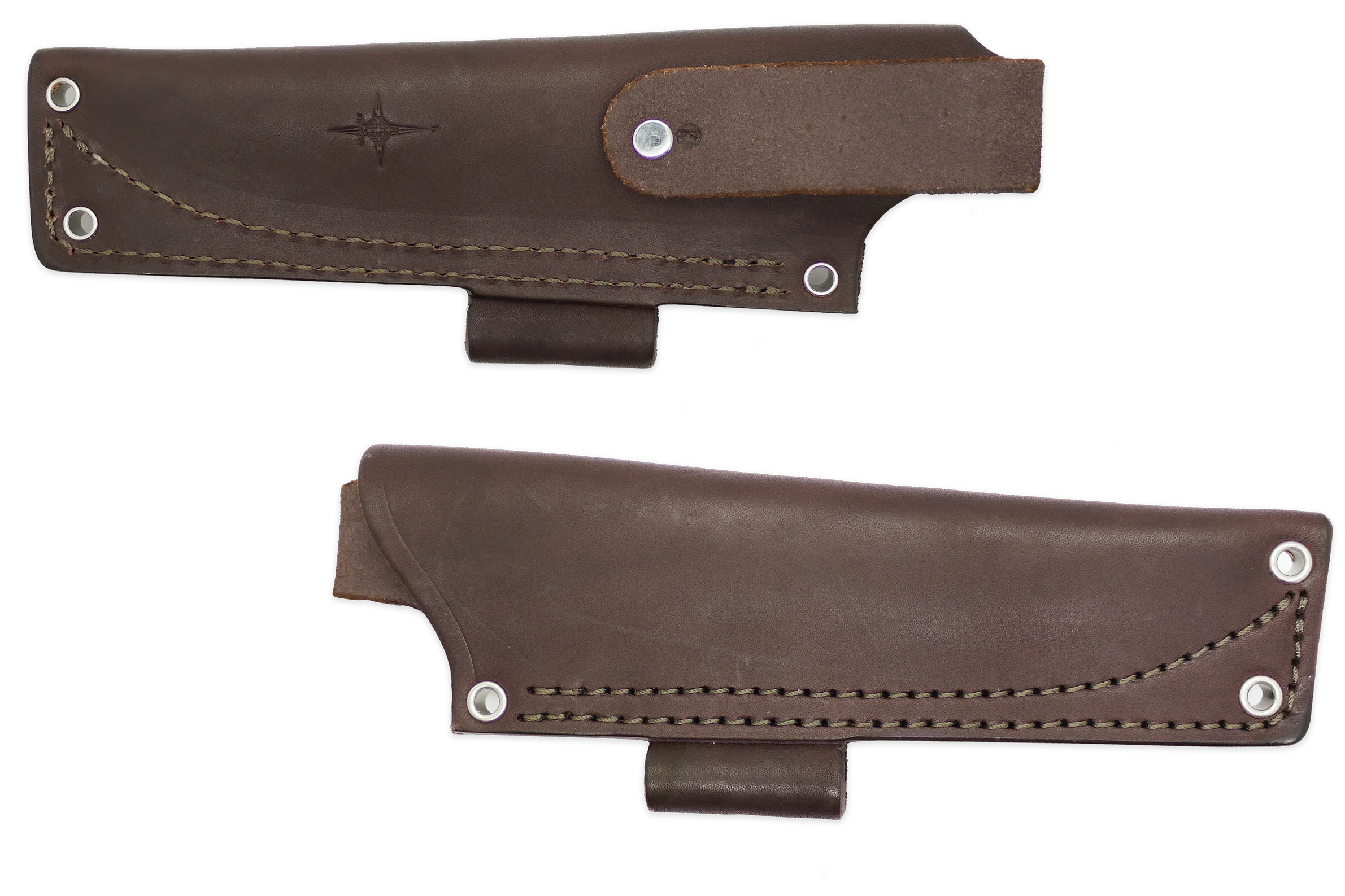
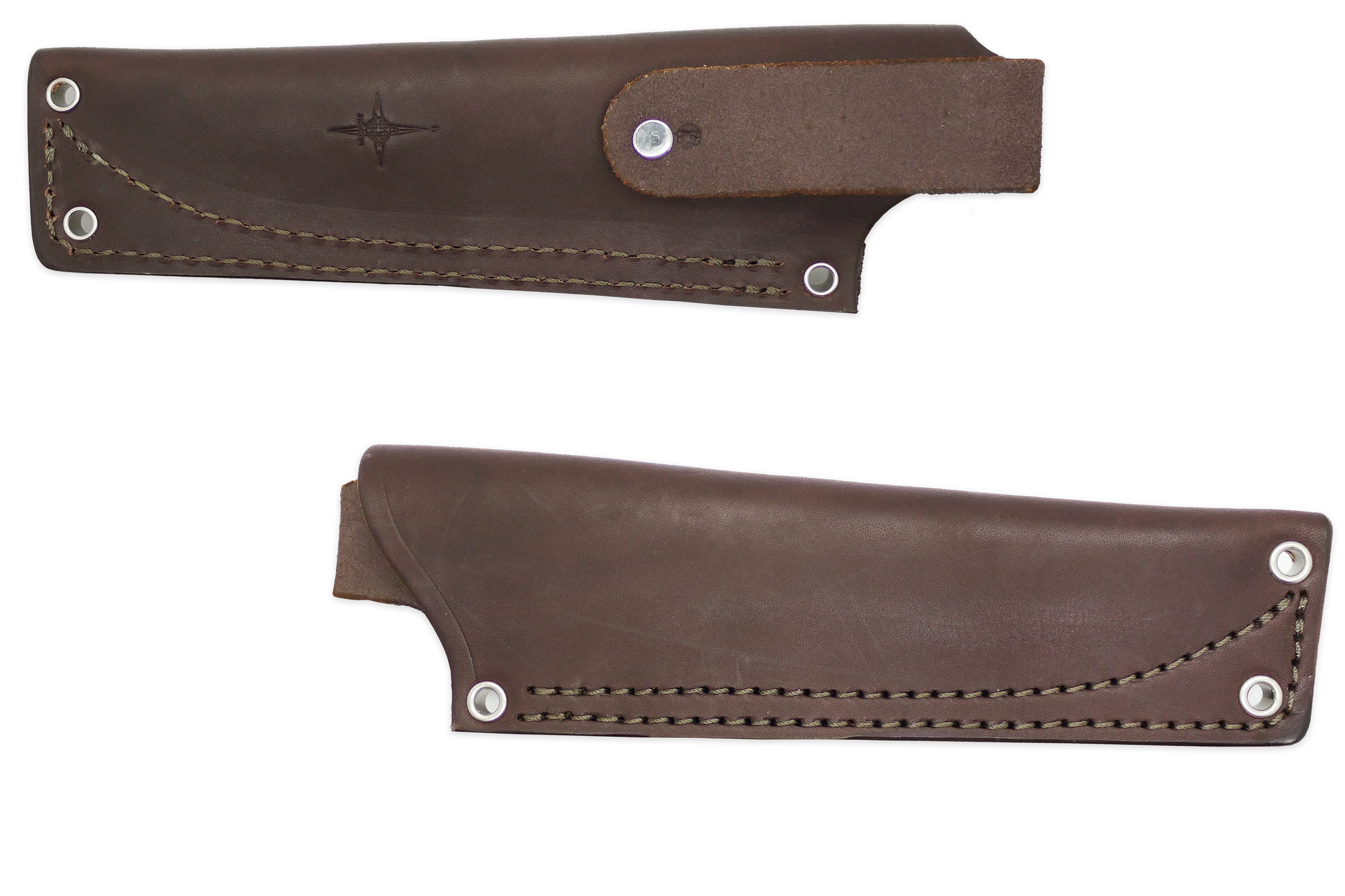
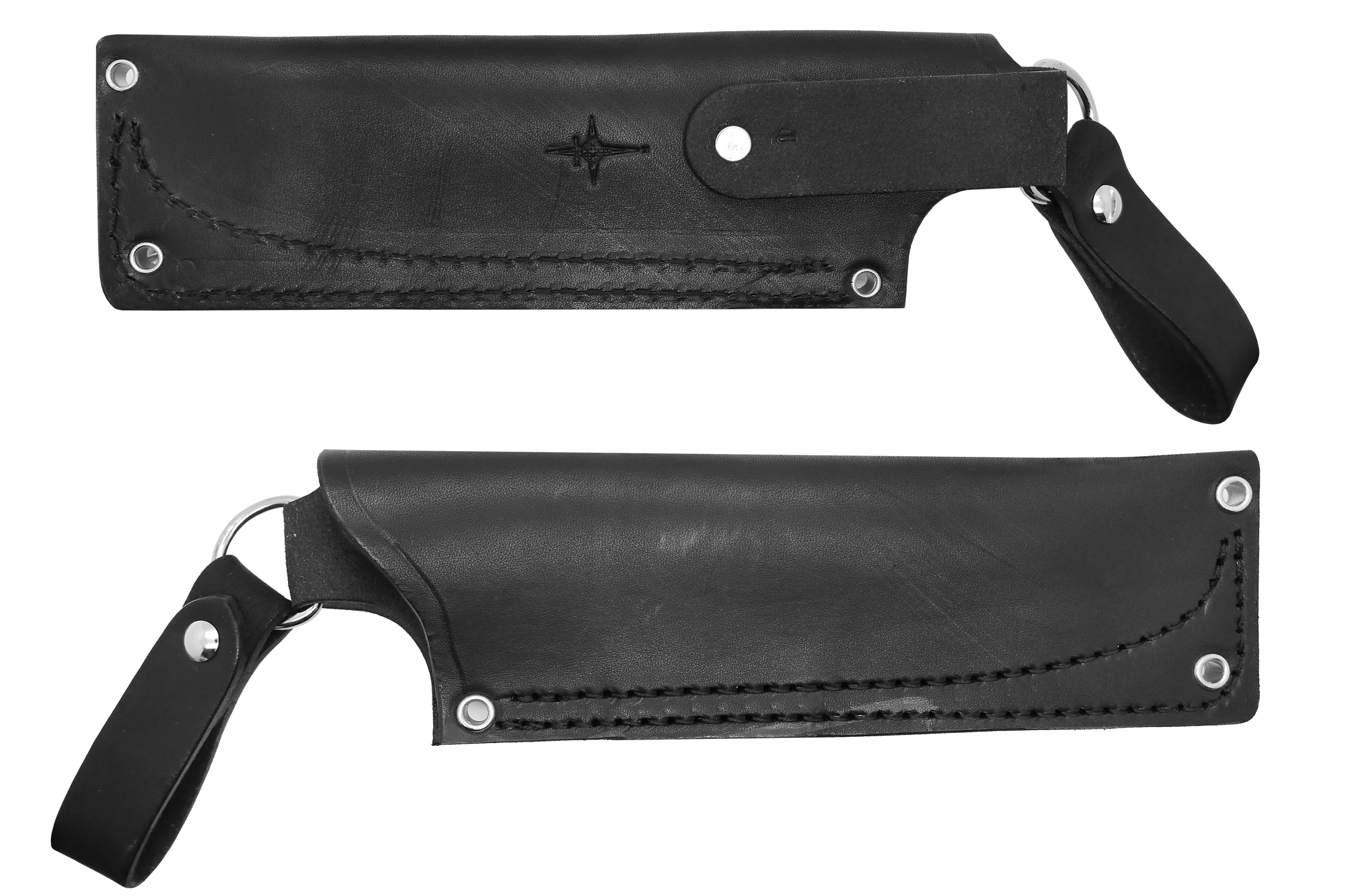
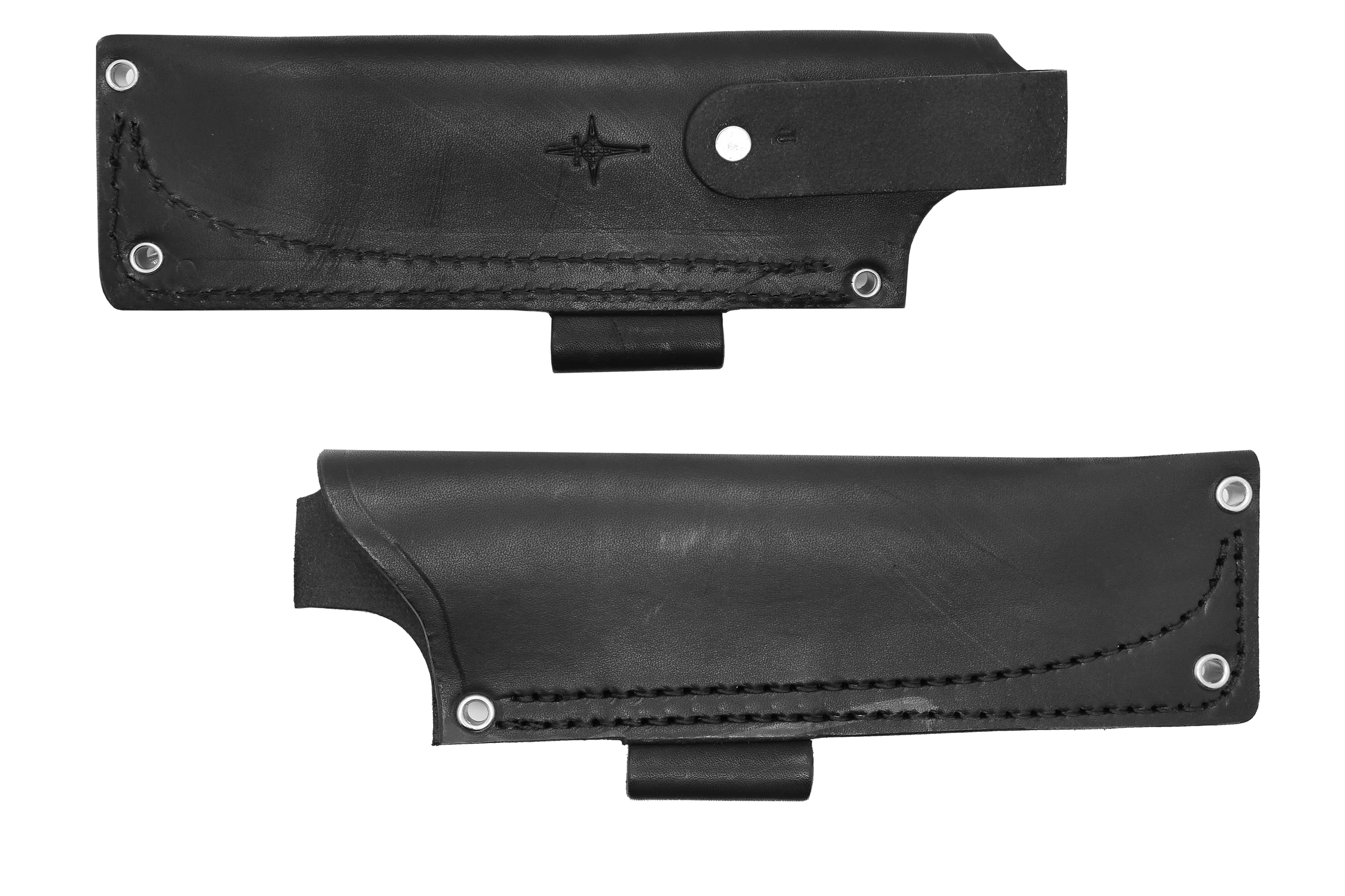
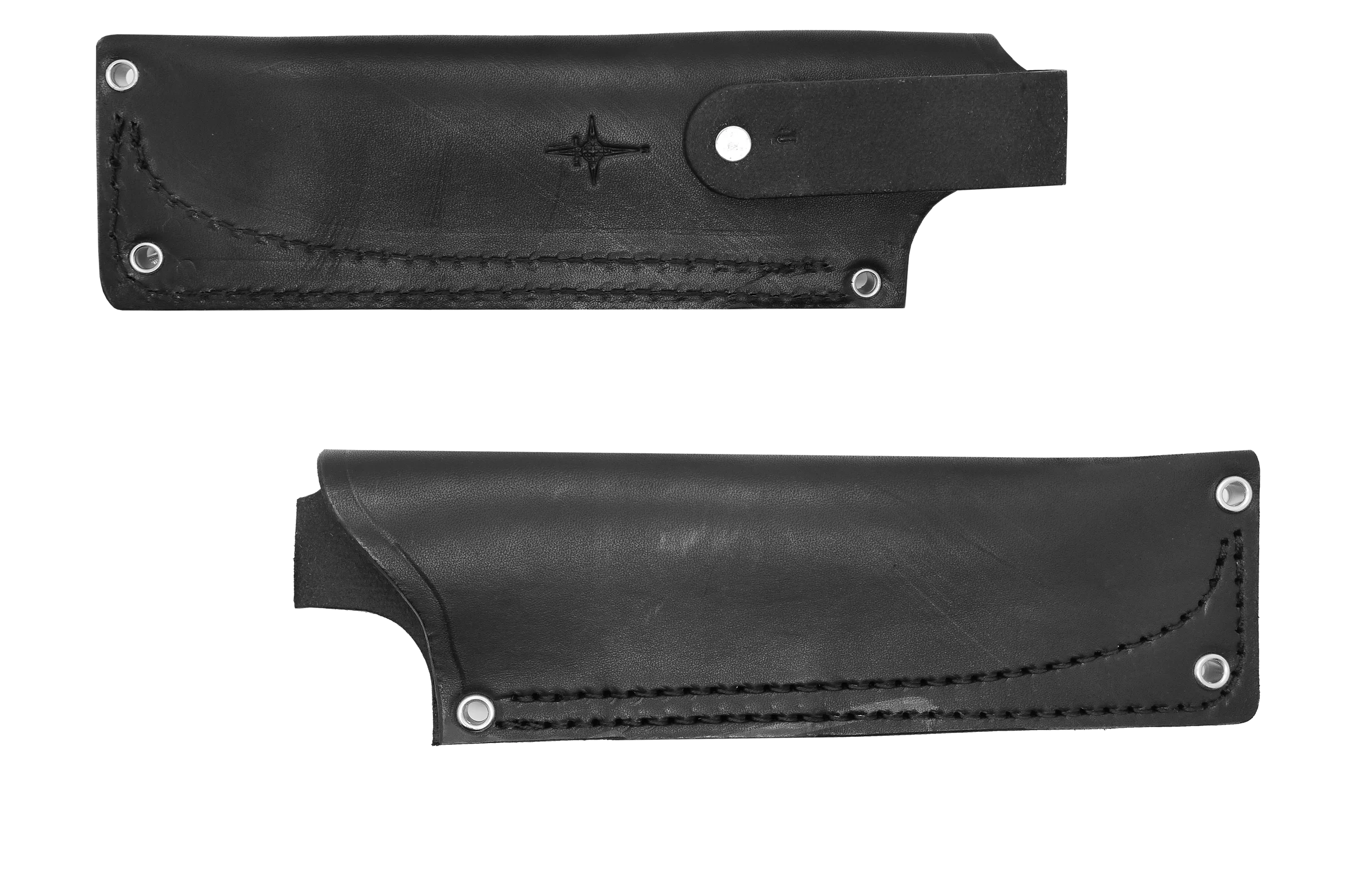
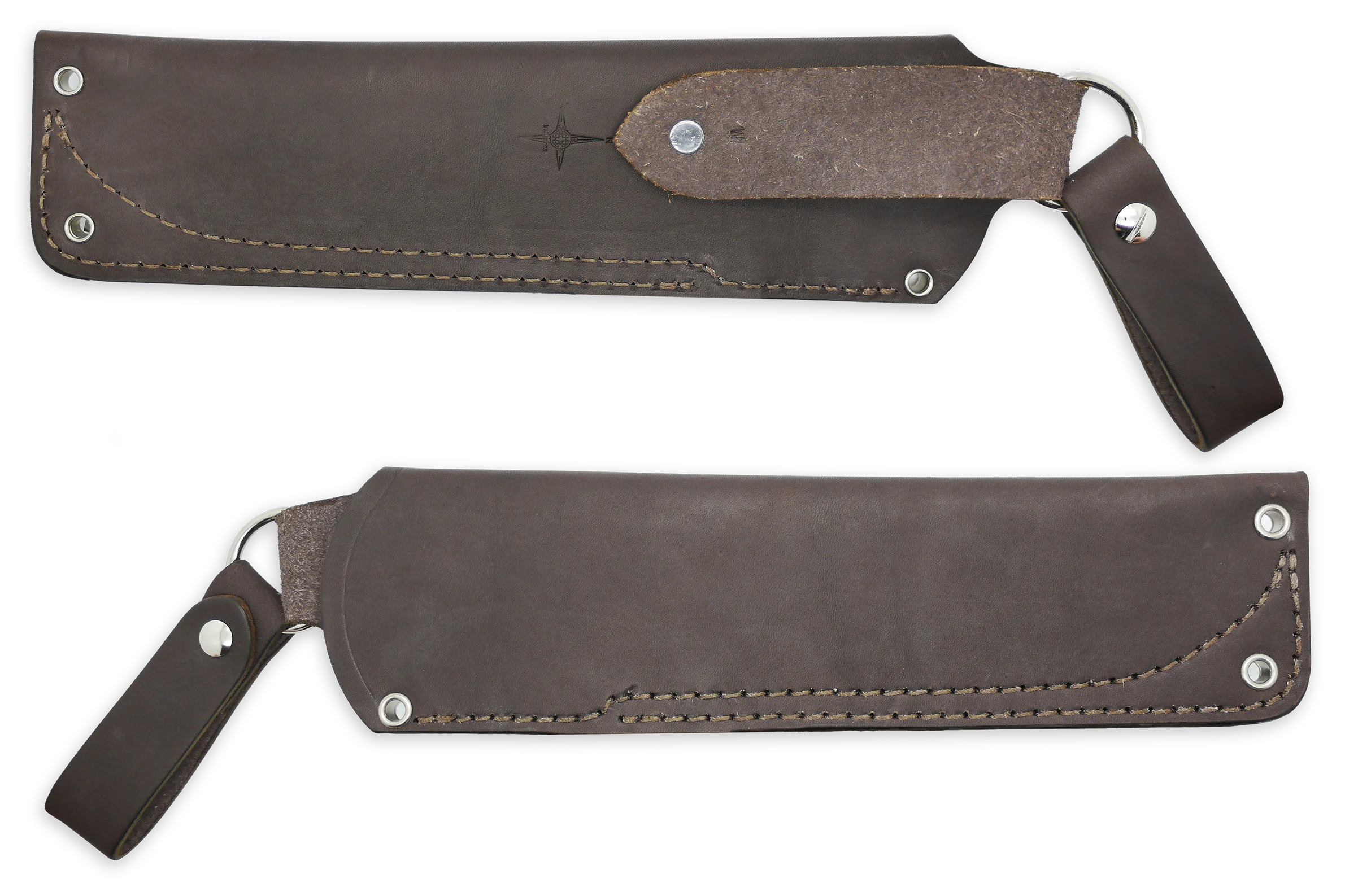
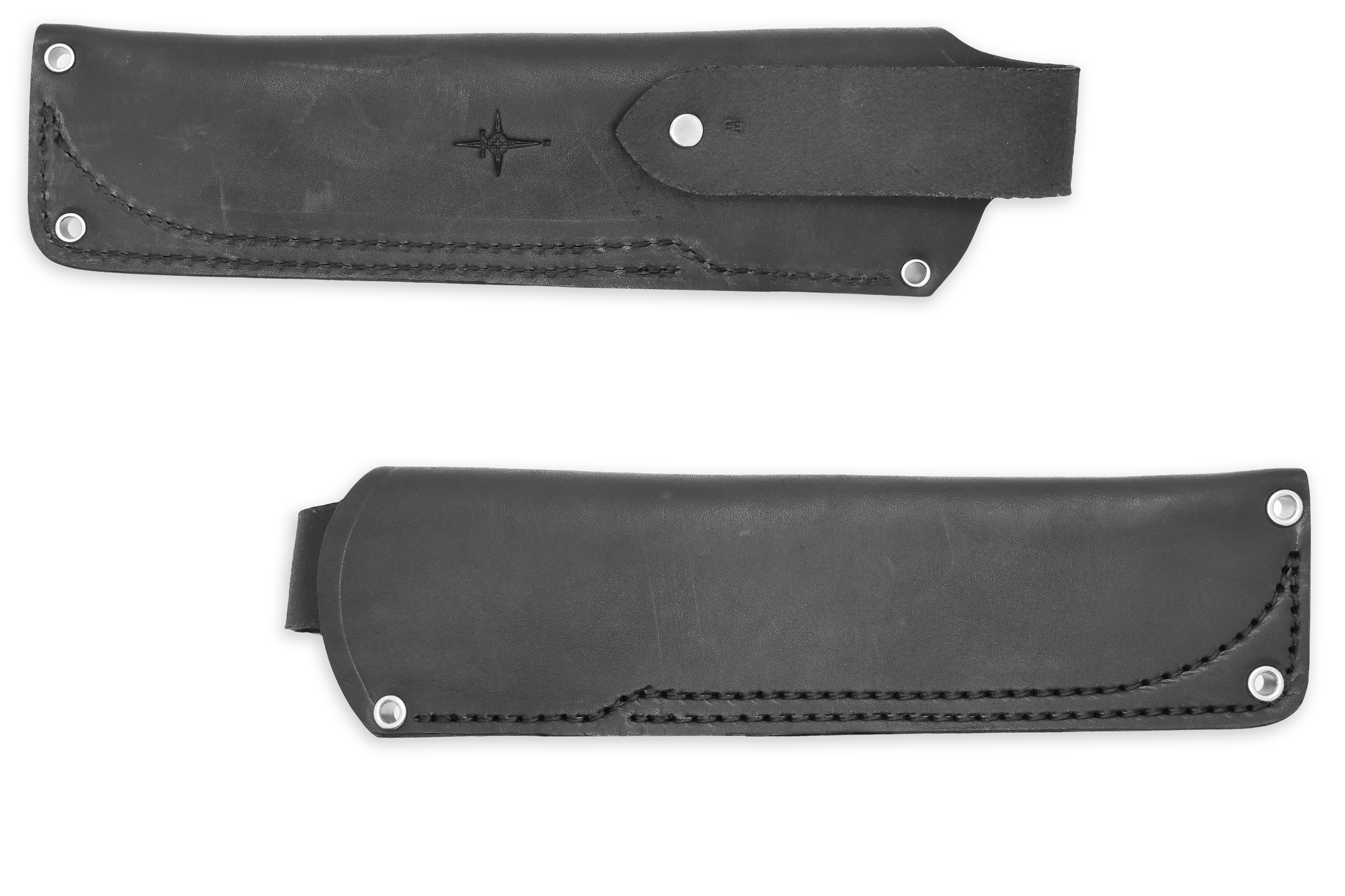
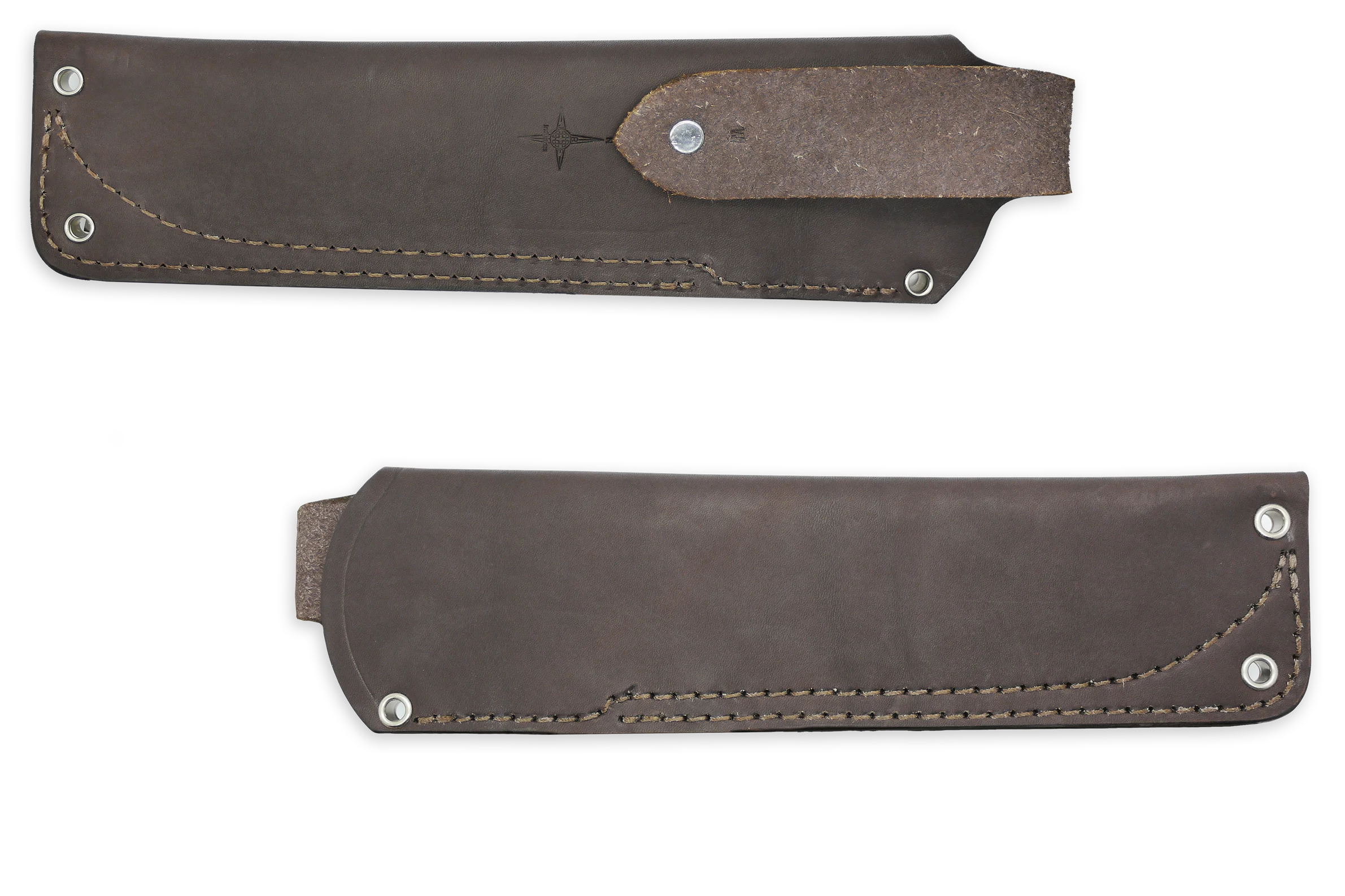
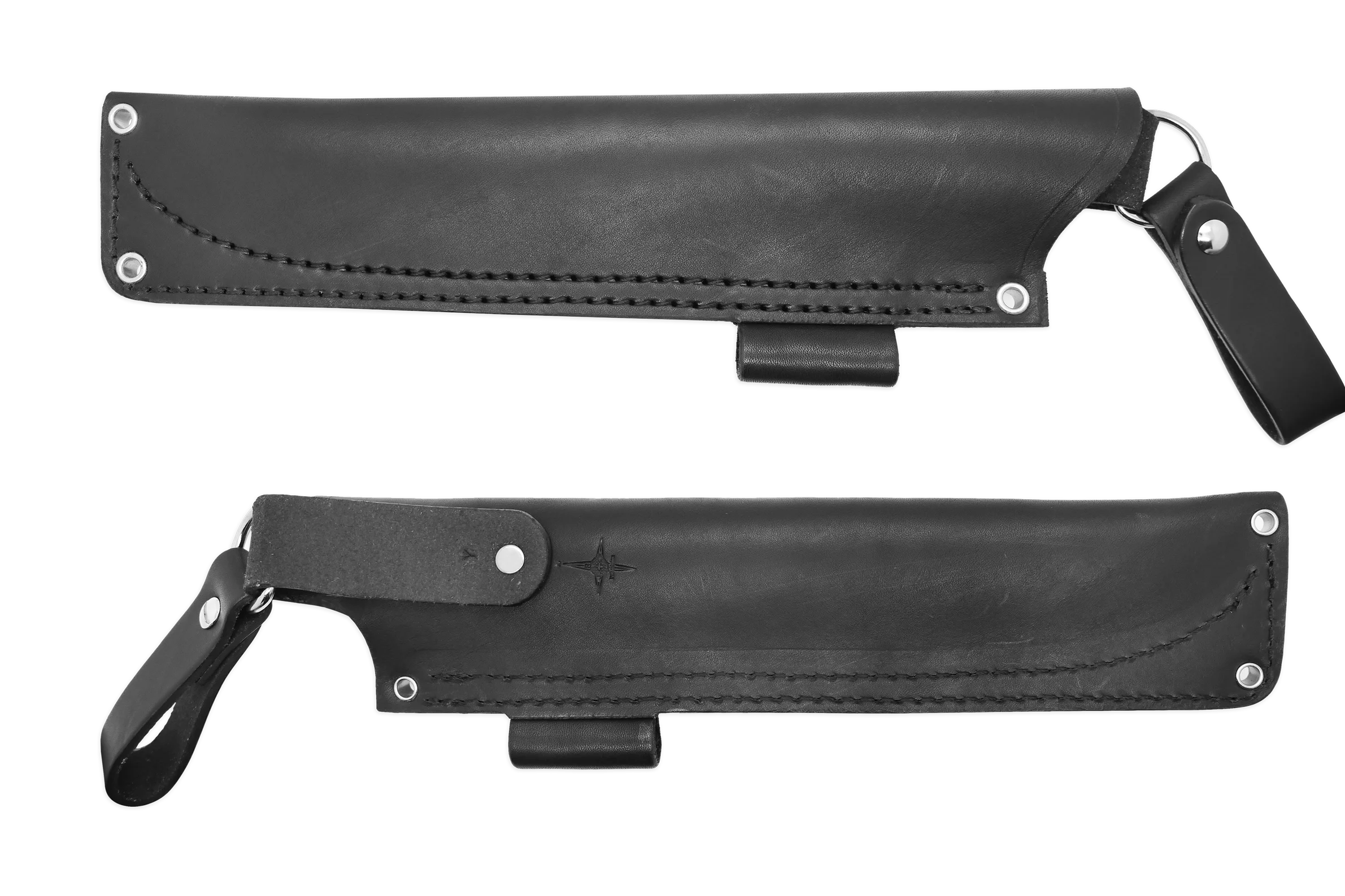
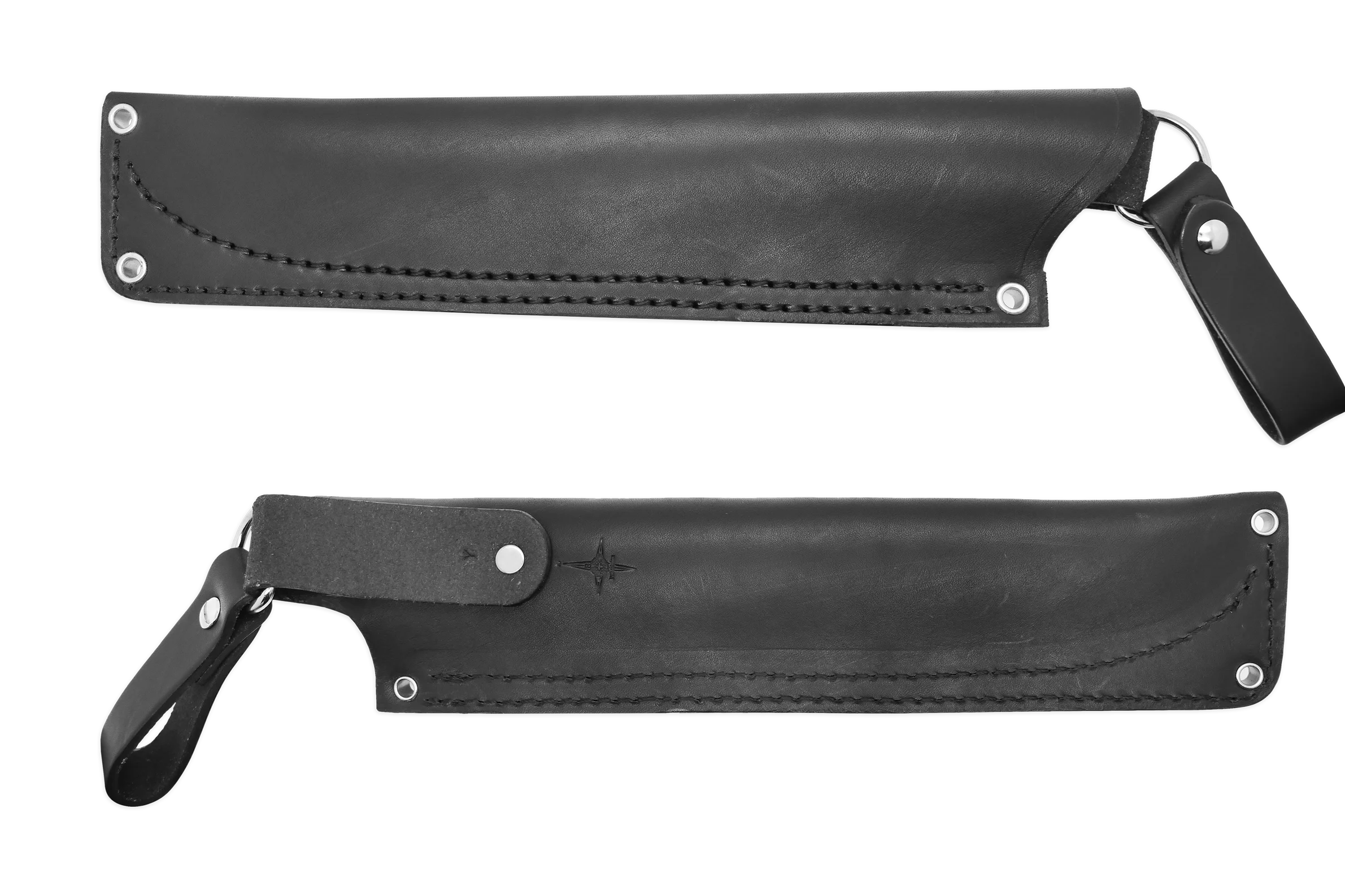
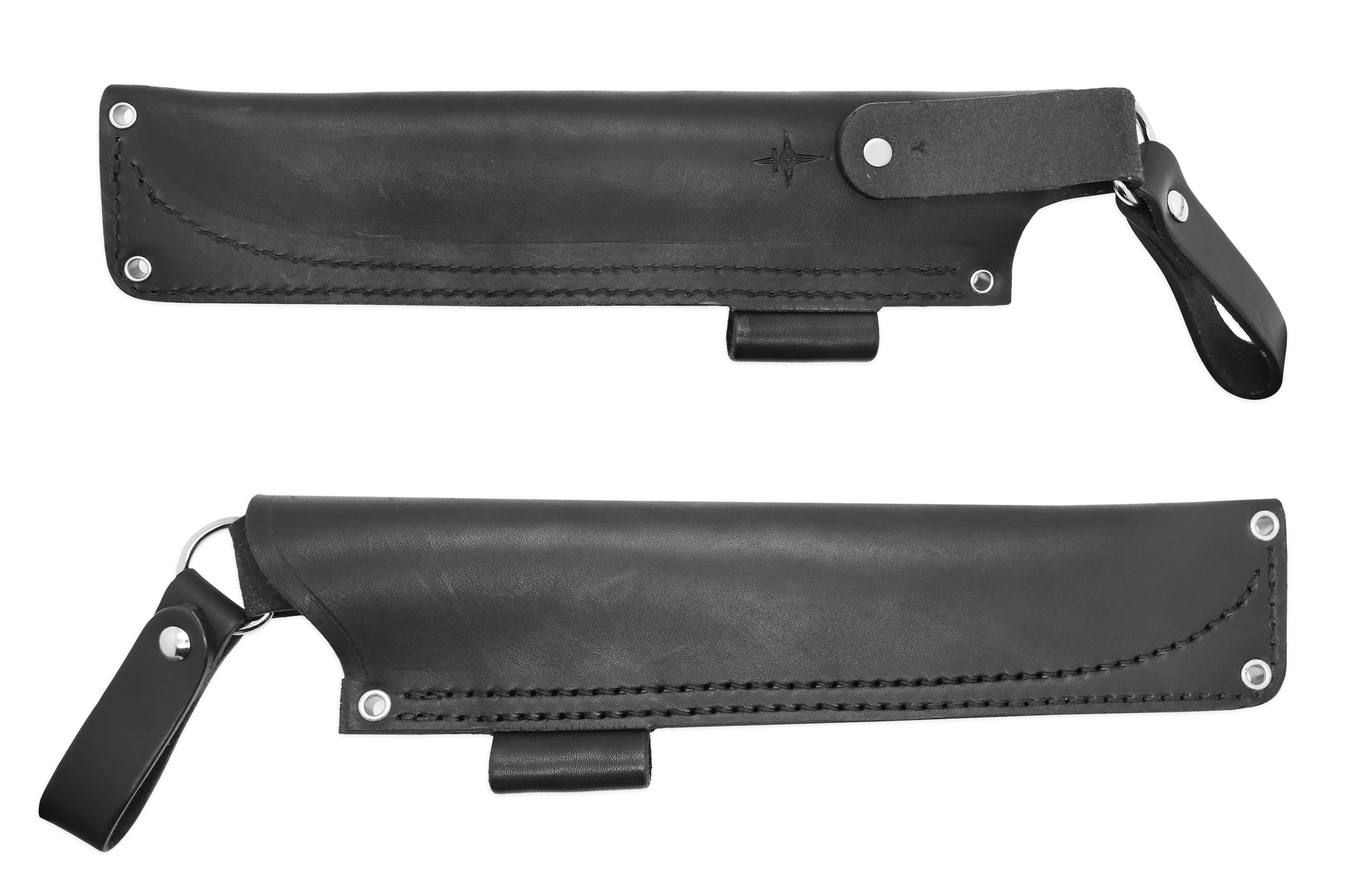
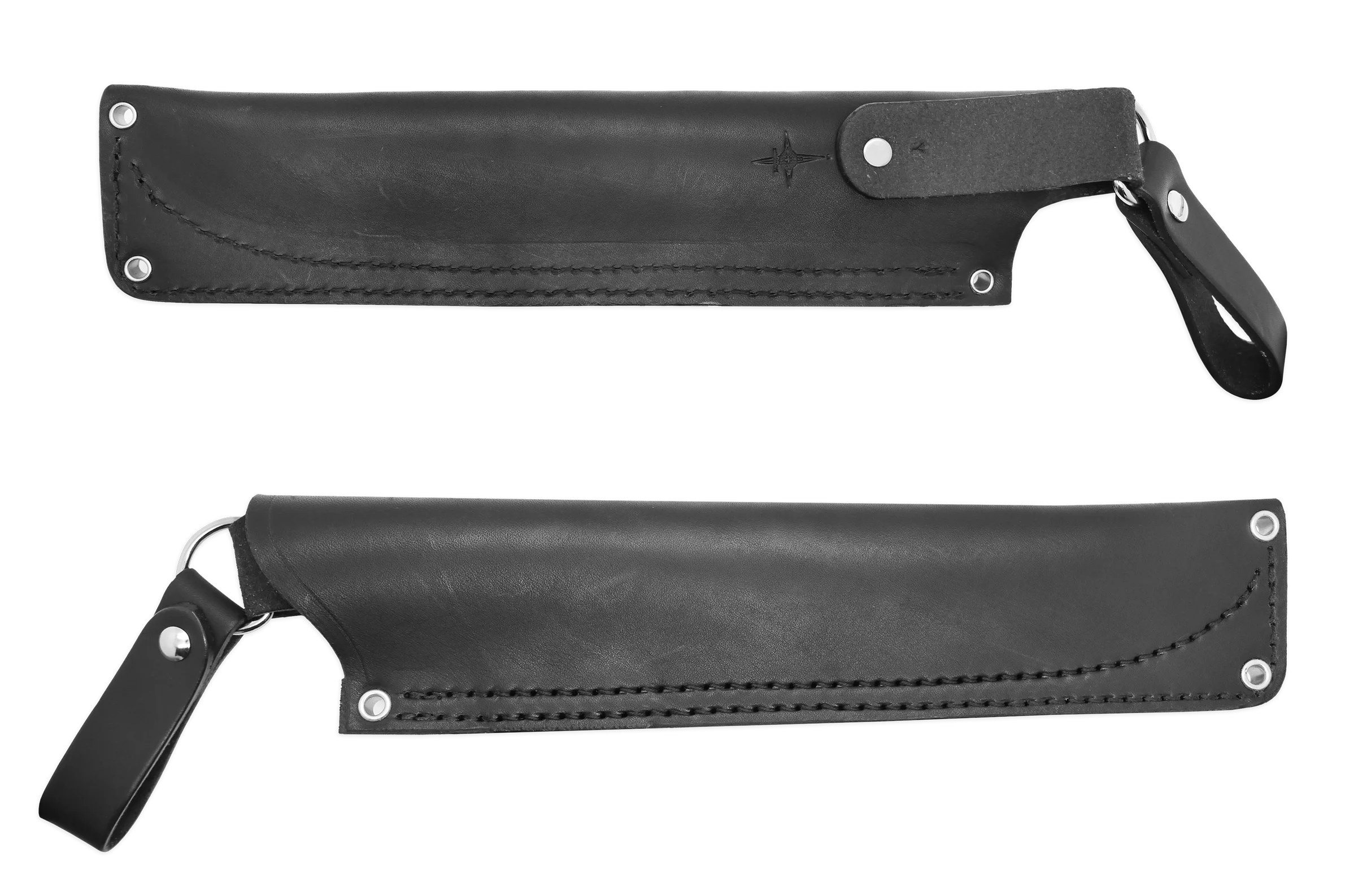
Sticking your knife into a high-quality sheath when you’re carrying it will protect its blade. Placing it into a soft storage case when you aren’t carrying it in a sheath will prevent moisture from affecting it. It’s a great alternative to storing it in a sheath, which may expose it to moisture and ultimately cause rust.
Start shopping for the supplies you need to make knife maintenance a top priority!

Daniel Wilder is a dedicated team member at Architect Knives. With a passion for high-quality craftsmanship and innovative design, Architect Knives ensures every knife will exceed your expectations. Outside of work, you’ll often find Daniel putting the latest knife designs to the test while camping, hunting, and exploring the great outdoors. Follow his insights and adventures in the world of precision blades at Architect Knives.